
The Death of Fortnite’s FOMO
For seven years, Fortnite thrived on a simple psychological trick: fear of missing out. If you did not unlock a Battle Pass skin during its designated season, it was gone forever. That artificial scarcity created a lucrative underground market for accounts and fueled an intense, sometimes exhausting grind among players. It was a system that rewarded timing over everything else.
Everything changed in late 2024. Epic Games quietly dropped a bombshell announcement. Starting with Chapter 5 Season 4—the Marvel-themed “Absolute Doom” season—Battle Pass items would no longer remain exclusive forever. Instead, Epic reserved the right to bring these cosmetics to the general Item Shop at least 18 months after a season ends.
Now, the first major test of this policy is looming. While we are still months away from the actual 18-month expiration date for Chapter 5 Season 4 items, the gaming community is already shifting. The psychological experiment has officially begun.
The Value Proposition Shift
Epic’s decision was not just about goodwill. It was a calculated business move. But did it ruin the value of the Battle Pass? Surprisingly, no. The math still heavily favors the active player.
A standard Battle Pass costs 950 V-Bucks, which is roughly $9 USD. If you complete the pass, you earn back 1,500 V-Bucks along with dozens of skins, emotes, and pickaxes. It is essentially a self-funding system. Contrast that with the Item Shop. A single licensed Marvel skin, like Doctor Doom or Gwenpool, easily commands 1,500 to 2,000 V-Bucks on its own when sold individually.
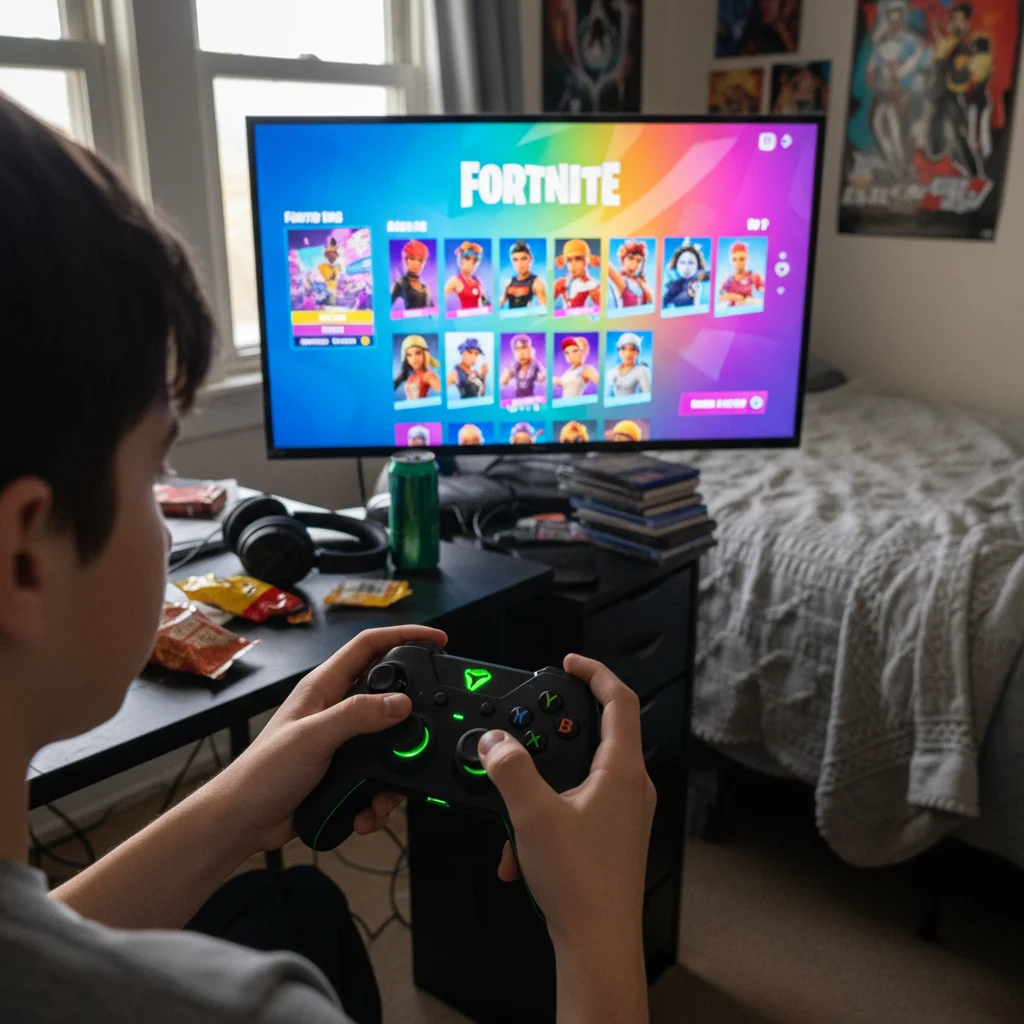
Waiting 18 months just to pay double or triple the price for a single skin is a tough sell for most. Because of this, the core loop of Fortnite remains intact. Players still buy the pass. They still play the game to level up. The only difference is the crushing anxiety of missing out has been entirely relieved.
How Collectors Are Reacting
Not everyone is happy about the change. High-profile collectors and long-time players initially voiced concerns that their digital collections would lose their prestige. For years, wearing an old, unobtainable skin was a badge of honor in the lobby.
- Gatekeeping rare skins has been a cornerstone of Fortnite culture since 2017.
- Casual players argue that everyone should have access to iconic pop-culture characters regardless of when they started playing.
- Epic’s compromise of an 18-month delay seems to strike a delicate balance between both camps.
By keeping the exclusivity window a year and a half long, Epic ensures that active players get to enjoy their exclusive status for a very long time. By the time Gwenpool hits the shop in 2026, active players will have moved on to newer, flashier cosmetics anyway. The sting of losing exclusivity fades when you realize how long 18 months actually feels in the fast-paced world of gaming.
What Lies Ahead for the Fortnite Economy
This policy shift also solves a massive licensing headache for Epic Games. In the past, massive pop-culture icons like Darth Vader, Spider-Man, and Lara Croft were locked behind historical Battle Passes. New players who joined the game specifically to play as their favorite heroes were disappointed to find out they could never own them. It was a dead end for player acquisition.
By removing exclusivity, Epic can keep selling these highly profitable legacy characters indefinitely. It also changes how developers design skins. Epic’s creative teams no longer have to design endless, slightly altered variants of popular characters just to put them in the shop. They can put the definitive version in the Battle Pass, knowing they can monetize it again down the road.
The real test will come in mid-2026, when the first batch of Chapter 5 Season 4 cosmetics actually hits the shop. Will players buy them? Will the community complain about the pricing? Only time will tell, but for now, Epic’s gamble seems to have successfully defused one of gaming’s most notorious FOMO engines.
