
You are reaching for a carton of oat milk on a Tuesday evening when suddenly an iPhone mounted on a portable tripod blocks the dairy aisle. Music blares from a Bluetooth speaker. Two teenagers burst into synchronized choreography, waiting for the beat to drop while eyeing their screen. In the background, tired grocery shoppers freeze, awkwardly trying to decide whether to walk through the frame or turn their carts around.
Scenes like this have become an everyday reality across American retail chains, from Target and Walmart to Sephora and Trader Joe’s. But what began as harmless internet fun has curdled into widespread customer fatigue. Now, a growing chorus of shoppers, privacy advocates, and legal experts are asking a sharper question: where does a content creator’s freedom to film end, and a bystander’s right to peace of mind begin?
The Collision of Content Creation and Everyday Errands
Over the past three years, the format of viral social video has shifted. Studio-lit bedrooms and staged living rooms gave way to real-world backdrops. Retail stores offer creators ideal conditions: bright fluorescent lighting, endless colorful props, and, crucially, an audience of unsuspecting bystanders whose bewildered reactions often generate more views than the choreography itself.
On TikTok and Instagram Reels, videos tagged with store dance challenges regularly pull in tens of millions of impressions. Yet the comment sections under these posts increasingly reflect irritation rather than amusement. Users frequently single out background shoppers, making cruel jokes about their clothing, weight, or facial expressions. In some cases, ordinary people simply running errands find themselves turned into unwilling memes overnight.
“People visit a grocery store to buy food for their families, not to audition for someone else’s monetized broadcast,” says Elena Vance, a digital privacy researcher based in Chicago. “When you capture someone without their knowledge and broadcast their image to millions, you strip away their agency in a space they reasonably expected to navigate in peace.”
Private Property Versus Public Squares: The Legal Disconnect
A common defense among influencers is that they are filming in a public place. Legally speaking, that claim is flat wrong.
Retail stores, shopping malls, and boutique shops are privately owned properties that grant conditional access to the public for commercial purposes. Because they are not public property like city sidewalks or municipal parks, constitutional protections under the First Amendment do not guarantee a right to film inside them.
“Store owners hold the complete legal authority to set rules regarding photography and videography on their premises,” explains Marcus Sterling, a commercial litigation and tort attorney in New York. “If a customer refuses to put away a camera when asked by management or staff, they are no longer an invitee. They become a trespasser under state law.”
Despite this clear legal boundary, store employees rarely enforce filming bans. Frontline retail staff, already coping with staffing shortages and workplace stress, are often reluctant to confront assertive creators holding live camera rigs. In many instances, store managers turn a blind eye, hoping the social media exposure might translate into free publicity for their brand.
Commercial Exploitation and the Right of Publicity
Beyond simple trespassing, the monetization of social media accounts introduces serious legal liability for creators. Many prominent TikTok dancers and pranksters operate registered businesses, earning thousands of dollars per post through creator funds, brand sponsorships, and affiliate product placements.
Under the legal doctrine known as the right of publicity, individuals possess the exclusive right to control the commercial use of their name, image, and likeness. When a creator features an identifiable bystander in a monetized video without a signed model release form, they risk running afoul of state laws designed to prevent unauthorized commercial exploitation.
“If an influencer produces content that directly generates revenue, that video ceases to be purely artistic or incidental expression,” Sterling notes. “It becomes a commercial product. If someone’s recognizable face is used to drive engagement on an ad-supported channel without their consent, that bystander could have grounds for a misappropriation claim.”
Eavesdropping Laws and Audio Capture
Video is only half the equation. Microphones on modern smartphones are exceptionally sensitive, easily picking up ambient dialogue from several aisles away.
In roughly a dozen U.S. states—including California, Florida, Illinois, and Massachusetts—all-party consent wiretapping laws prohibit recording private conversations without the permission of every participant. While retail aisles do not carry the same expectation of privacy as a home or medical office, legal scholars warn that recording quiet, personal discussions—such as a shopper talking on the phone with a doctor or arguing with a spouse—could cross legal thresholds into unlawful surveillance or intrusion upon seclusion.
Retailers Re-evaluate Filming Policies
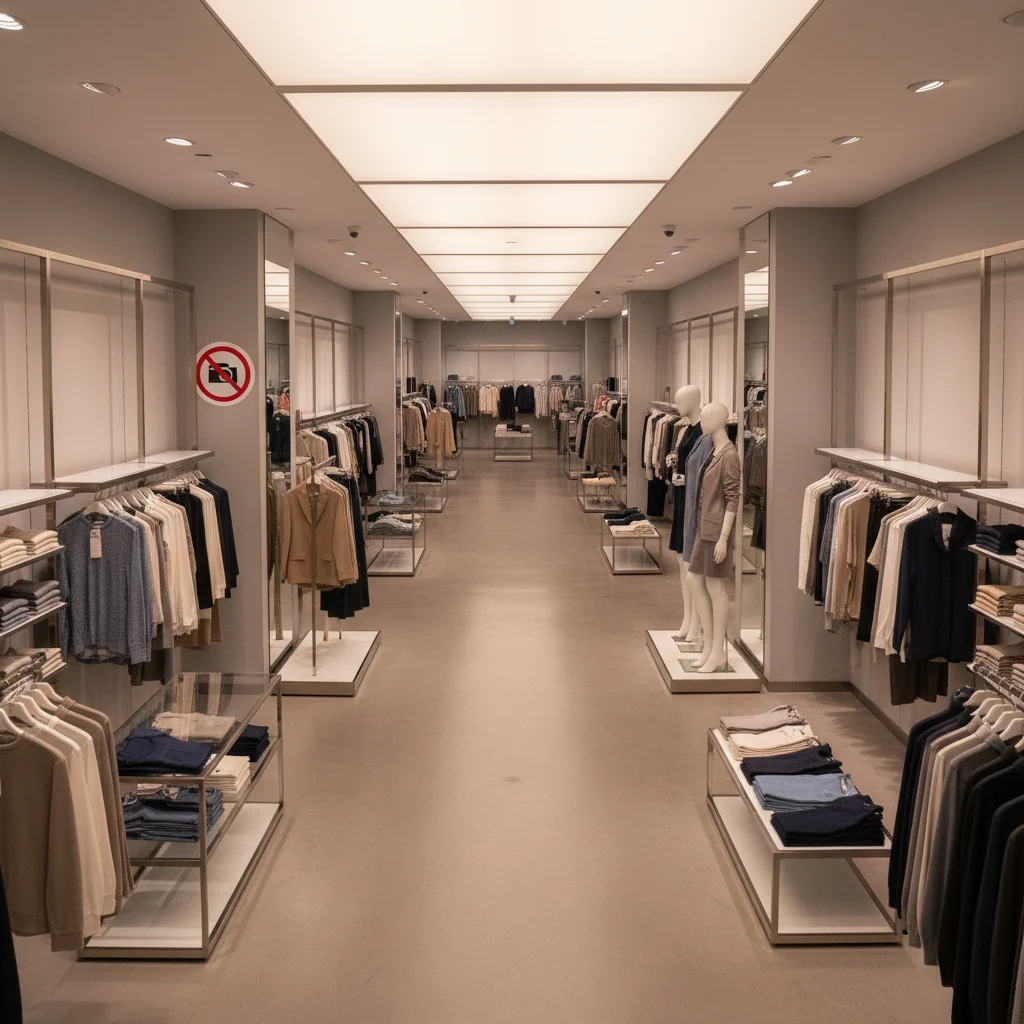
Faced with growing customer backlash, some businesses are beginning to take a firmer stand. High-end fitness clubs, luxury department stores, and independent boutiques have introduced strict zero-camera rules, posting clear warning signs at entrances and revoking memberships or issuing trespass warnings to repeat offenders.
Major big-box retailers remain more hesitant, worried about alienating younger demographics who view recording their lives as a natural form of communication. Still, several regional supermarket chains have begun training floor supervisors to intervene whenever camera equipment obstructs aisles, creates safety hazards, or clearly harasses other patrons.
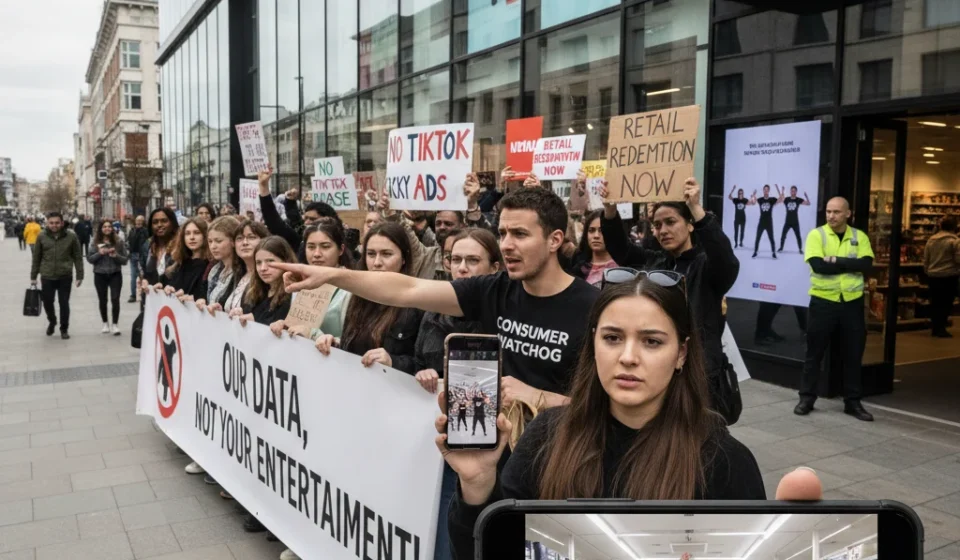
Industry analysts believe the pressure will ultimately land on the platforms themselves. Consumer advocacy groups are lobbying social media giants to introduce automated face-blurring tools for bystanders or to allow users to easily report and remove unauthorized videos depicting their likeness.
A Cultural Reset on Public Etiquette
Ultimately, the debate over supermarket dance videos reflects a broader cultural friction between online clout and offline dignity. While technology makes it effortless to turn any corner of society into a personal stage, societal tolerance for collateral disruption is wearing thin.
Shoppers are not asking for a total ban on smartphones. They simply want their everyday errands to remain ordinary—free from tripods, ring lights, and the anxiety of becoming an internet sensation against their will.