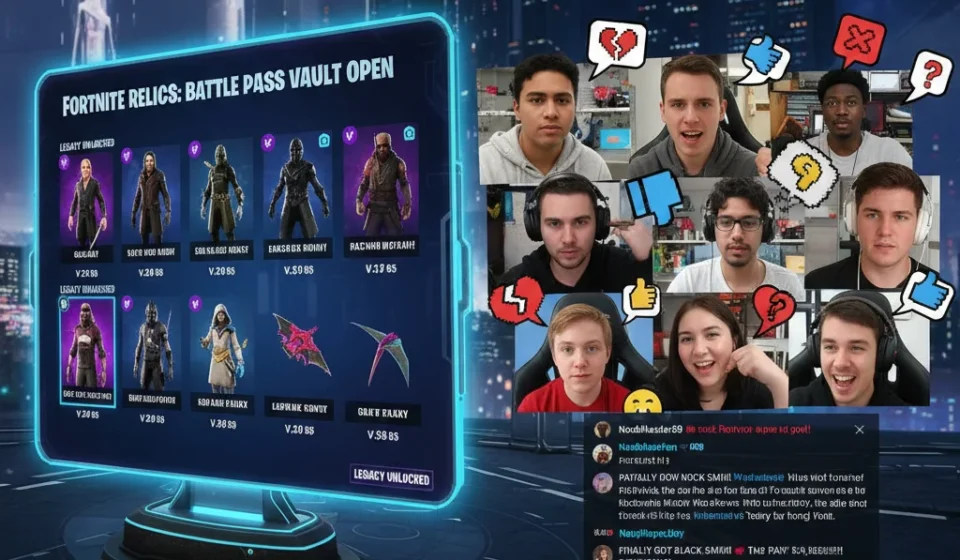

The virtual walls of Fortnite’s exclusivity have officially crumbled. Epic Games just did the unthinkable. They put a formerly exclusive Battle Pass item straight into the Item Shop, making a long-debated policy a reality. This single move has reignited a fierce discussion across the gaming community about value, rarity, and what players are actually paying for.
For years, the Battle Pass followed a strict, unwritten rule. You buy the pass, you grind the levels during that specific season, and you get rewards that nobody else can ever buy again. If you missed out, too bad. That FOMO—fear of missing out—was a core engine driving Fortnite’s massive seasonal engagement. But that era is ending.
The 18-Month Rule in Action
The shift actually started in August 2024. That is when Epic Games quietly updated its policy. They announced that items from Chapter 5, Season 4 onwards would no longer be locked away in a vault forever. Instead, these cosmetics could enter the regular Item Shop rotation 18 months after their respective Battle Pass expired.
Now, those 18 months have passed for the first wave of items. Their arrival in the shop has turned a theoretical policy change into a stark reality. Players logged in to find gear they thought was gone forever sitting on the digital shelves, available for anyone with enough V-Bucks.
A Community Divided
Unsurprisingly, the move has split the player base right down the middle. On one side are the game’s veteran players, many of whom feel cheated. To them, rare skins are a badge of honor. They represent time spent, challenges completed, and years of loyalty. Seeing those same items go up for general sale feels like a dilution of their achievements.
“What was the point of grinding those late-night levels if anyone can just swipe a credit card for the same skin today?” asked one player in a popular Reddit thread. It is a sentiment shared by many who view rarity as a key part of the Fortnite experience.

But there is another, much larger group of players who are celebrating. Newer players, or those who simply could not play during specific months, are thrilled. The old system meant that if you did not play during a specific crossover event, you were locked out of playing as your favorite pop culture characters forever. This change fixes that. It lets fans get the skins they want, regardless of when they started playing the game.
The Logic Behind the Shift
Why did Epic Games make this call? From a business perspective, it is a highly logical move. Fortnite relies heavily on licensed characters from massive franchises like Marvel, Star Wars, and anime series. Under the old system, these incredibly valuable assets were lost to time once a season ended. By allowing them to return to the shop, Epic can continue to generate revenue from their most popular designs while keeping intellectual property partners happy.
There is also a financial detail that might ease the pain for Battle Pass purists. Purchasing items individually from the Item Shop is vastly more expensive than earning them through a Battle Pass. Let’s look at the numbers:
- A standard Battle Pass costs 950 V-Bucks and offers dozens of cosmetic rewards.
- A single skin in the Item Shop typically costs between 1,200 and 2,000 V-Bucks.
- Buying a full set of gear individually can cost upwards of 3,000 V-Bucks.
In short, players who grinded the Battle Pass still got a massive discount. They paid a fraction of the price and got to use the items nearly two years before anyone else could buy them.
A New Era for Fortnite
Epic Games has made it clear that not every Battle Pass item is guaranteed to return. The 18-month rule simply gives them the option to bring items back, meaning some skins might still remain incredibly rare. However, the precedent has now been set.
As Fortnite continues to evolve from a simple battle royale into a massive metaverse of various game modes, old rules are being rewritten. The concept of absolute digital exclusivity is fading. Whether this helps or hurts the game’s long-term community loyalty remains to be seen, but for now, the Item Shop is busier than ever.
