
A Massive Shift in Fortnite’s Economy
Fortnite built its empire on a simple promise: play now, or miss out forever. For years, the rule was absolute. Once a Battle Pass season ended, the skins, emotes, and glider designs within it vanished into the vault, never to be seen again. That era is officially over. Epic Games recently upended its own business model, sparking a fierce debate across the gaming community as the realities of its new exclusivity rules begin to sink in.
Under the revised policy, Battle Pass items are no longer guaranteed to remain exclusive forever. Instead, Epic now has the option to bring these cosmetics to the Item Shop after a minimum window of 18 months. While older, legacy skins remain locked away, this structural change has fundamentally altered how players view the game’s digital economy.
Why Epic Ditched the Vault
For years, latecomers to the battle royale expressed immense frustration over missing out on iconic pop culture collaborations. Legendary characters like Darth Vader, Spider-Man, and Lara Croft were permanently locked behind historical progression tracks. If you did not play during those specific months, you were simply out of luck. Epic Games acknowledged this pain point directly when announcing the policy shift.
The developer clarified that the decision allows them to keep offering highly requested licensed characters and original designs to newer players. It also prevents popular intellectual properties from being trapped in a digital vault indefinitely. Under the new guidelines, not every item is guaranteed to return, but the door is now permanently open.
The Battle of ‘OG’ Pride vs. Accessibility
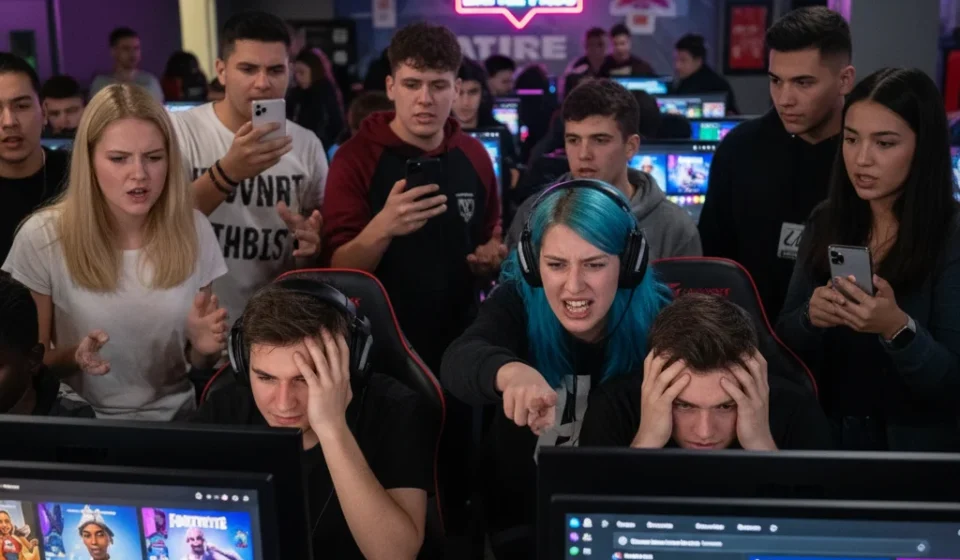
The community response has been deeply polarized. On one side are the collectors, casual players, and late adopters who view the change as a consumer-friendly victory. For them, artificial scarcity only hurts the community. They argue that players should be able to enjoy their favorite characters regardless of when they started playing the game.
“I started playing late, and it always felt incredibly frustrating that I could never get certain Marvel characters just because I missed a season years ago,” says long-time community commentator Marcus Vance. “This new system gives everyone a fair shot, even if we have to wait a year and a half and pay a premium.”
On the other side of the fence are the game’s veterans, often referred to as ‘OGs.’ To these players, rare skins are virtual badges of honor. They represent dedication, skill, and presence during specific eras of the game’s history. Some feel that Epic is breaking a long-standing trust with its core audience simply to boost its bottom line. They argue that without absolute exclusivity, the incentive to grind through ninety-nine tiers of a Battle Pass is severely diminished.
The Financial Realities of the 18-Month Rule
From a business standpoint, the move is a calculated pivot. The old model relied entirely on fear of missing out to drive immediate Battle Pass sales. While highly effective, it meant Epic was leaving millions of dollars on the table from players who would gladly purchase old cosmetics. By introducing the 18-month delay, Epic maintains a strong incentive for players to buy the Battle Pass immediately. After all, paying 950 V-Bucks for a massive bundle of items instantly is still a far better deal than buying a single skin for 1,500 V-Bucks down the road.
This strategy protects the initial value of the Battle Pass while creating a highly lucrative secondary market for older items. It also fits into Epic’s broader vision of Fortnite as a massive, multi-game platform featuring LEGO Fortnite, Rocket Racing, and Fortnite Festival. In a universe this vast, having a highly populated, accessible marketplace is key to retaining players over the long haul.
As the timeline marches forward, the first wave of eligible items will eventually find their way back to the store shelves. Whether this change alienates the old guard or breathes new life into the game’s economy is a question only time will answer. One thing is certain: the era of absolute digital scarcity in Fortnite is history.