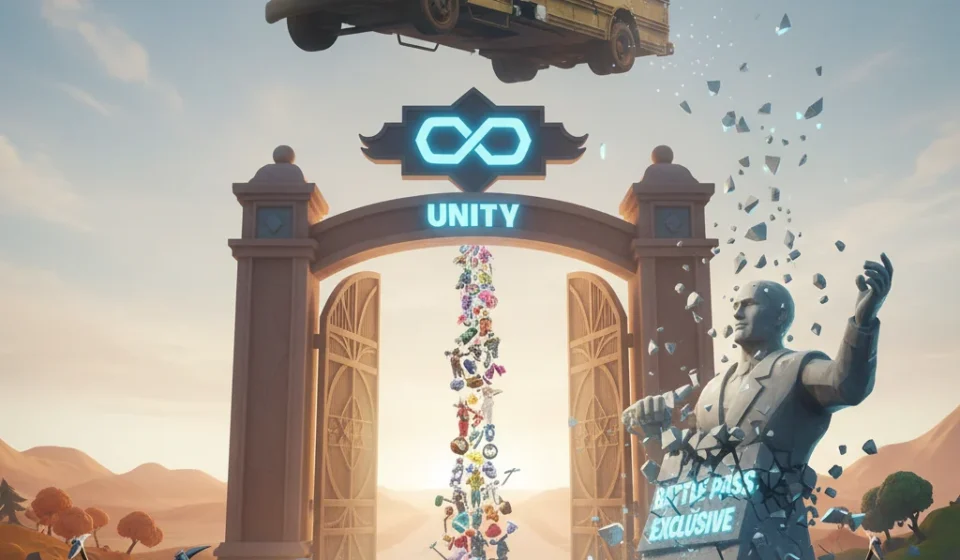

Epic Games is tearing up its own rulebook. For nearly seven years, Fortnite built its massive empire on a simple, unspoken promise: if you miss a Battle Pass skin, it is gone forever. That artificial scarcity created an intense fear of missing out, driving millions of players to grind through tiers late at night just to unlock a favorite character.
Now, that era is ending.
Epic announced a sweeping change to its cosmetic policy. Going forward, items featured in future Fortnite Battle Passes may appear in the in-game Item Shop after 18 months have passed since the season ended. This includes outfits, back blings, pickaxes, emotes, and even loading screens.
The decision has split the Fortnite community right down the middle, igniting a fierce debate about the value of digital exclusivity versus accessibility.
How the New Battle Pass System Works
Under the new guidelines, Epic is not guaranteeing every single item will return. Instead, they are giving themselves the option to sell them individually later. If an item does make the jump to the Item Shop, its style options and quest rewards might also come along for the ride.
Crucially, this does not apply retroactively to older Battle Passes from past years. At least, not yet. The policy starts with future passes, meaning legendary skins like the original Renegade Raider, Darth Vader, or classic Marvel heroes from previous seasons remain locked away in veteran players’ lockers.
Epic says the main driver behind this shift is to let players access popular licensed characters down the road. In the past, missing a season meant you could never play as Spider-Man or Indiana Jones. For a game that relies heavily on massive pop-culture crossovers, locking those iconic faces behind a permanent time gate was increasingly seen as a missed opportunity.
The Battle Over Digital Scarcity
As expected, the announcement triggered an immediate uproar on social media platforms like X and Reddit.
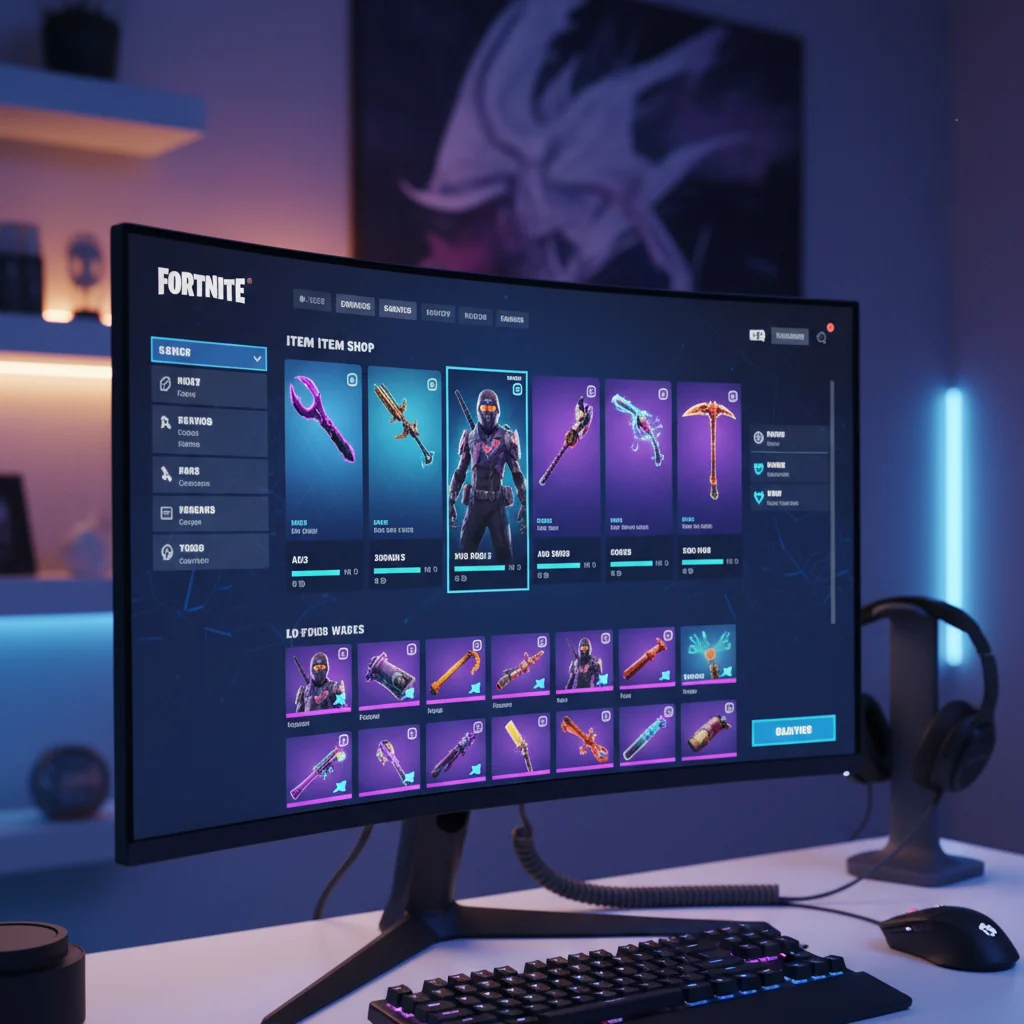
On one side of the fence, players are celebrating. Many argue that permanent exclusivity is a toxic mechanic that punishes newer players or those who simply do not have the time to treat Fortnite like a second job. They point out that buying a Battle Pass remains a fantastic deal financially. For 950 V-Bucks, players get dozens of items. Buying those same items individually in the shop later will cost significantly more.
On the other side, collectors are furious. For years, wearing an ultra-rare skin in the pre-game lobby was a badge of honor. It proved you were there during the game’s early days or that you dedicated hours to grinding out rare rewards. Some players feel Epic is devaluing their time and investment.
“The whole point of the Battle Pass was that you had to be there to get it,” wrote one frustrated player on Reddit. “If everything just comes to the shop eventually, the grind feels pointless.”
Others disagree. “I play the game to enjoy the skins, not to gatekeep them from kids who weren’t playing five years ago,” countered another user.
The Business Behind the Decision
Why make this move now? The answer almost certainly comes down to revenue and player retention.
While the battle royale remains incredibly popular, maintaining its peak growth requires constant adaptation. Bringing highly requested collaboration skins to the shop allows Epic to monetize them twice. First, they get the engagement from the initial Battle Pass. Then, they capture revenue from latecomers willing to pay premium prices in the Item Shop.
It also relieves pressure on the development team. Creating hundreds of high-quality, completely unique cosmetics every year is an exhausting cycle. By recycling older Battle Pass assets, Epic can fill shop rotations with high-demand items while focusing resources on new gameplay features and creative modes.
Whether this change eventually extends to older legacy passes remains to be seen. For now, the line in the sand has been drawn. Fortnite is moving away from FOMO-driven marketing, choosing instead a future where accessibility—and continuous sales—take center stage.