
The Next Evolution of Epic’s Digital Empire
Fortnite is no longer just a battle royale game. It has not been for a very long time. Now, Epic Games is preparing to take the ultimate step in its transition from a multiplayer shooter to a sprawling digital universe. The shift will culminate in November 2026 with the release of Fortnite Chapter 7, an update powered by the upcoming Unreal Engine 6.
This is not a typical seasonal update. Epic plans to use the transition to Unreal Engine 6 (UE6) to launch massive, persistent massively multiplayer online (MMO) spaces. Chief among these are dedicated, permanent worlds built in partnership with Disney and LEGO. The move represents the physical realization of Epic’s long-discussed metaverse strategy, tying disparate intellectual properties into one cohesive, living ecosystem.
Unreal Engine 6: The Invisible Backbone
The leap to UE6 is the technical foundation making this ambitious plan possible. Right now, Fortnite runs on Unreal Engine 5. While visually stunning, the current technology still largely treats different game modes as isolated experiences. Players load into Battle Royale, LEGO Fortnite, or Rocket Racing as separate instances. Transitions take time, and the back-end servers treat them as distinct products.
Unreal Engine 6 aims to destroy those digital walls. The goal is seamless interoperability. Epic wants a single, massive environment where millions of players can move between wildly different art styles, gameplay mechanics, and intellectual properties without ever hitting a loading screen. It is a massive technical challenge. The new engine will handle backend persistence on an unprecedented scale, allowing players to carry their digital identities, inventories, and achievements across completely different virtual worlds.
A Living Disney Universe
The centerpiece of Chapter 7 is the highly anticipated Disney persistent space. Following Disney’s massive $1.5 billion investment in Epic Games, developers have been working on a dedicated digital ecosystem. This is not a temporary in-game event or a set of character skins. It is a permanent, evolving virtual world.
Inside this space, players will find dedicated regions dedicated to Marvel, Star Wars, Pixar, and classic Disney properties. Epic envisions this as a social and creative hub where fans can interact with their favorite characters, build their own custom neighborhoods, and participate in collaborative storytelling. It will function as a digital theme park that never closes, complete with its own economy, games, and live virtual events that react to real-world Disney releases.
LEGO Expansion and the Sandbox Future
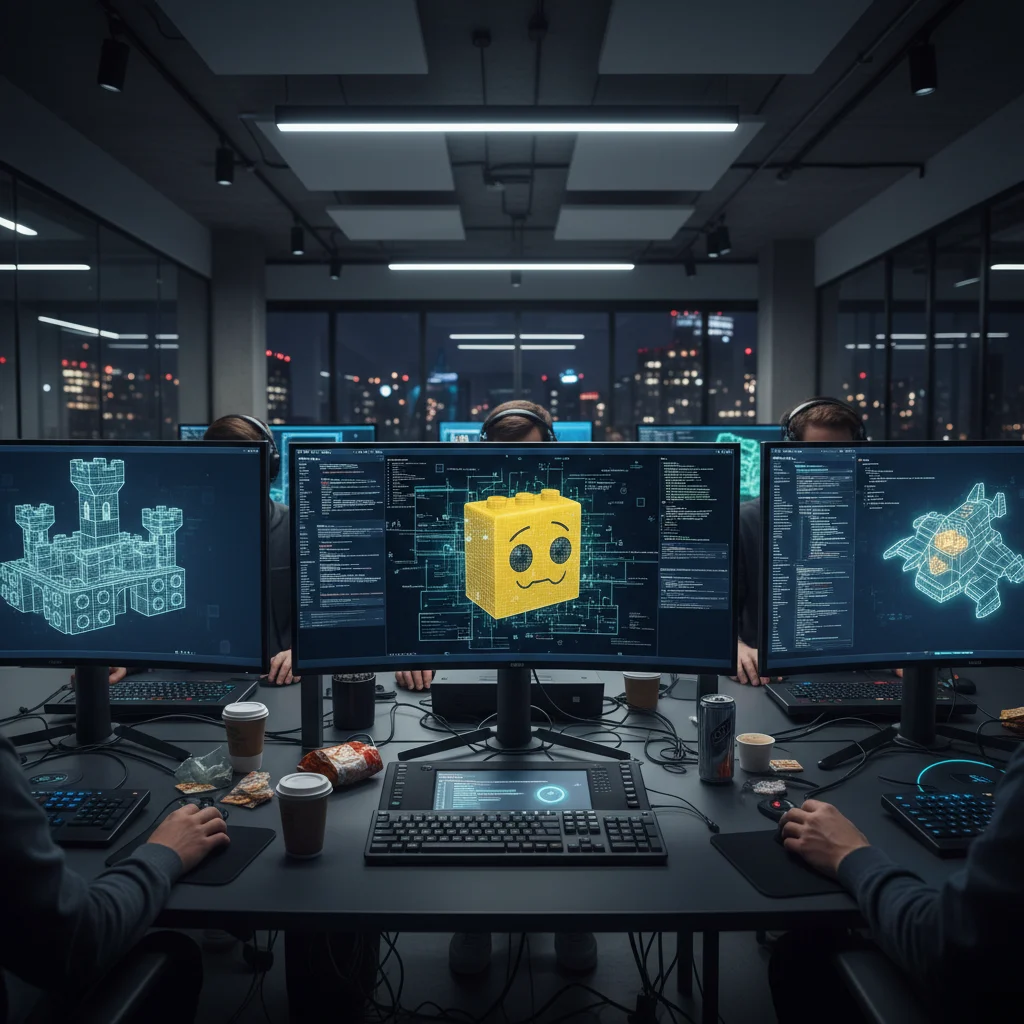
At the same time, the LEGO ecosystem within Fortnite is getting a massive upgrade. While the current LEGO Fortnite mode offers a Minecraft-like survival experience, the Chapter 7 update will evolve it into a full-scale MMO. This persistent LEGO world will focus on massive, shared building projects and community-driven cities.
Instead of isolated private worlds, thousands of players will be able to occupy the same persistent servers. They can build sprawling block-based metropolises together, go on massive raids, and trade resources. The system will rely heavily on user-generated content, allowing players to establish their own towns and governance systems within the digital LEGO landscape.
Democratizing the Metaverse
This update is not just for major brands. Epic Games plans to give independent creators access to the same UE6 tools powering the Disney and LEGO experiences. Through the Unreal Editor for Fortnite (UEFN), creators will soon be able to build their own persistent MMOs with complex progression systems and shared economies.
By opening up these high-level tools, Epic hopes to spark a wave of user-generated virtual worlds that rival professional studio productions. The strategy is clear: keep players inside the Fortnite launcher by offering a seemingly infinite variety of games, social spaces, and virtual economies. November 2026 is still far off, but Epic is already laying the brickwork for a new era of digital entertainment.
