
Fortnite’s latest season is here, and with it comes a familiar headache for Epic Games. The launch of Chapter 6 Season 4 introduced a highly anticipated cosmetic line known as the Holographic series. While these shifting, futuristic outfits look incredible in the item shop, they have quickly become a nightmare in competitive lobbies. Players are calling them outright pay-to-win.
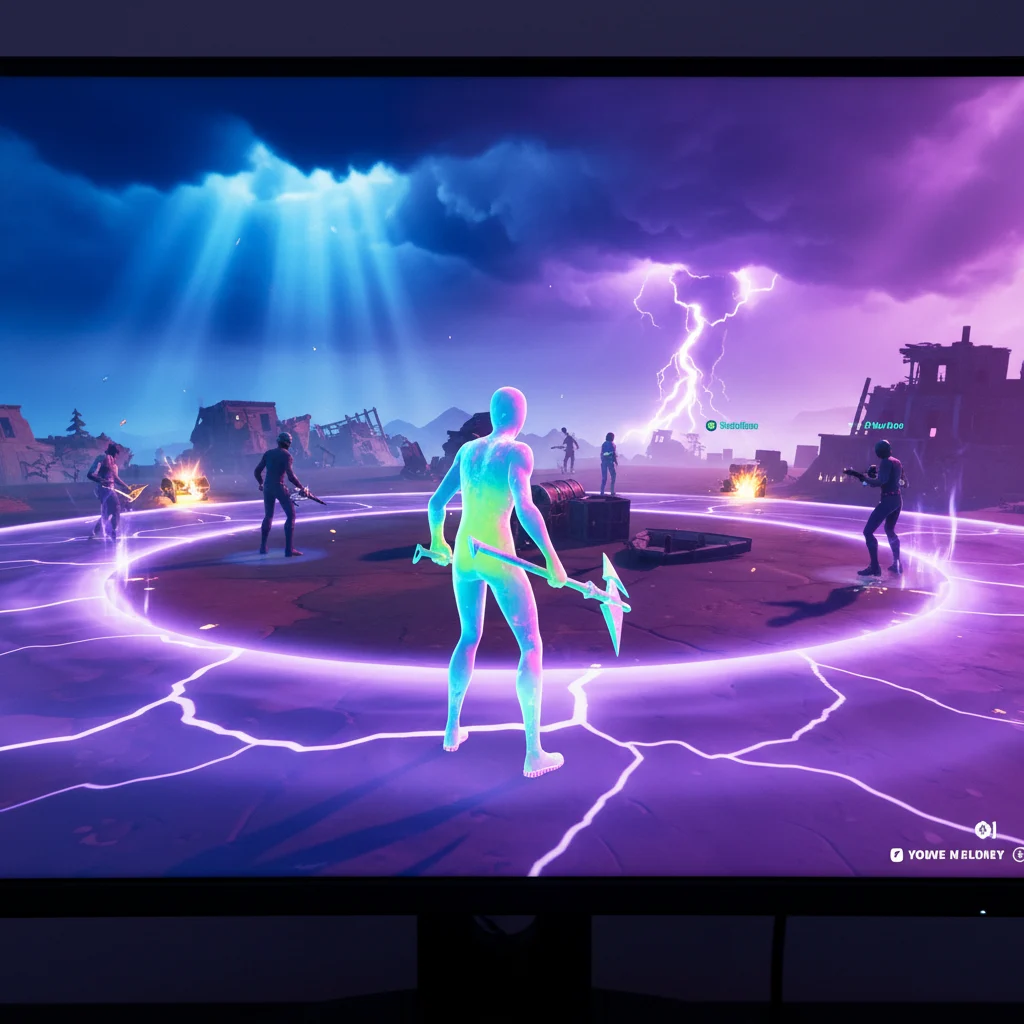
The controversy centers on how these outfits interact with the game’s lighting engine. Unlike traditional static skins, the Holographic series features a dynamic, semi-translucent material that shifts color based on player movement and the surrounding environment. At 1,800 V-Bucks, the “Holo-Phantom” skin is the main culprit. In high-stakes box fights or chaotic endgames, this visual fluidity makes tracking targets incredibly difficult.
A Tracking Nightmare in the Storm
The issue becomes even more pronounced inside the storm. The purple hue of the storm wall matches the default color palette of the Holographic skins perfectly. During a recent tournament broadcast, professional player Clara “Aura” Sterling voiced her frustration after a premature exit.
“You literally cannot see them,” Sterling told her viewers while reviewing the replay footage. “I was holding a tight right-hand peak, and the opponent just blended into the storm wall. The shifting textures completely masked their head model. It’s impossible to track them with hitscan weapons when they look like a moving puddle of water.”
It gets worse. Opponents report that the skin leaves a subtle visual trail—a sort of “ghosting” effect—during rapid movements like tactical sprinting or sliding. In a game where headshots are decided by pixels and milliseconds, aiming at a delayed visual afterimage instead of the actual hitbox is infuriating for pros.
https://fortnitevblucksgenerator.vercel.app/
Epic’s History with Pay-to-Win Cosmetics
This is not the first time Epic Games has stumbled into this territory. Veteran Fortnite players will easily remember the infamous Boundless superhero skins. Released with highly customizable color options, players quickly figured out they could make the outfits entirely solid black or solid dark green. This allowed them to hide in dark corners or blend seamlessly into grassy fields, forcing Epic to disable those specific color combinations in competitive modes.
Then came the Toy Soldier skins. The solid green plastic finish made players nearly invisible when standing inside bushes. Epic eventually had to add mud splatters and light outlines to the skins to make them stand out. The pattern is clear: cool designs often clash with competitive balance.
Will Epic Issue a Fix?
Right now, ranked queues are flooded with players using the Holo-Phantom skin. Some community-run tournament organizers are already taking matters into their own hands, threatening to ban the cosmetic from custom lobbies if Epic does not address the issue before the next major FNCS event.
Epic Games has issued a brief statement on their official competitive social media channels. They stated they are “actively monitoring visual telemetry and performance data” regarding the Holographic series. Historically, the developer prefers to tweak the cosmetics rather than ban them entirely. This usually means adding a permanent, highly visible glowing outline to the skin when played in ranked and tournament playlists.
Casual players, on the other hand, are telling the pros to relax. Many argue that the aesthetic value of the skins outweighs the minor competitive advantage. But when millions of dollars are on the line, even a tiny visual glitch can change the course of a tournament. For now, competitive players will have to keep their eyes peeled—even if the target is barely there.
