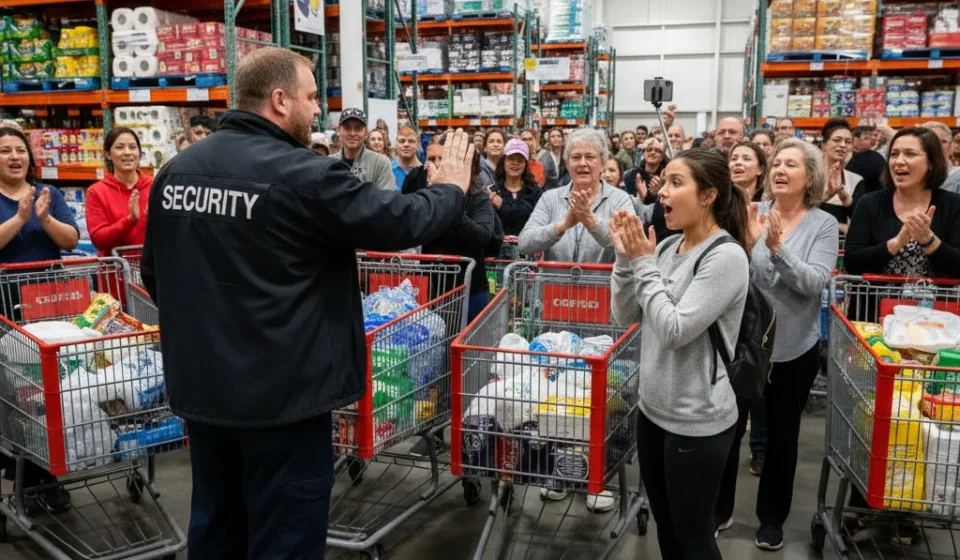

Anyone who has stepped into a Costco warehouse recently has likely seen the setup. A creator balancing a phone on a bulk pack of paper towels. A ring light glowing near the rotisserie chicken display. Someone narrating a three-minute review of frozen dumplings while three carts wait patiently to pass.
Those days may be coming to a quick end.
Costco is stepping up enforcement of its longstanding private property guidelines, clamping down on unauthorized recording and commercial content creation across its stores. Floor managers have begun asking shoppers with tripods, microphones, and elaborate setups to put their gear away or leave. In some instances, persistent violators have been warned that their prized memberships could be revoked on the spot.
The move has triggered a heated debate across social media. Casual shoppers and retail workers are largely celebrating the change, while digital creators argue their videos provide free marketing that drives millions in sales.
How Warehouse Aisles Became Content Studios
Over the last four years, warehouse retail has turned into prime real estate for social media influencers. TikTok and Instagram Reels created an entire subculture dedicated to wholesale shopping. Creators built massive followings simply by walking the concrete floors, reviewing seasonal snack drops, and documenting giant grocery hauls.
The format proved wildly lucrative. Viral videos about obscure bakery items or bargain patio sets routinely send demand through the roof, clearing warehouse shelves within hours. Brands actively court these influencers, hoping a twenty-second clip might land their product on national shopping lists.
Yet the production behind those short videos grew steadily more intrusive. What began as a quick snapshot of a price tag morphed into full-scale mobile productions.
- Creators hauling full-sized tripods and handheld stabilizer gimbals down center aisles.
- Live streamers spending hours in front of single displays, answering viewer chat comments in real time.
- Staged taste tests in the food court that monopolized seating during peak lunch rushes.
- Shoppers and store employees being filmed in the background without their consent.
For everyday members navigating 500-pound flatbed carts, the warehouse floor started feeling less like a grocery run and more like an obstacle course.
Shoppers and Workers Reach Their Breaking Point
Costco members pay an annual fee of $65 for standard access or $130 for an executive membership. That recurring fee comes with an expectation of a smooth, efficient shopping trip. Instead, many found themselves stuck behind amateur film crews.
“I just wanted to grab a package of salmon after work,” said Marcus Vance, a long-time member in suburban Chicago. “There was a guy with a wireless lapel mic doing three takes of himself opening the refrigerated door. When I tried to reach around him, he gave me a dirty look for ruining his shot. That is when I knew things had gone too far.”
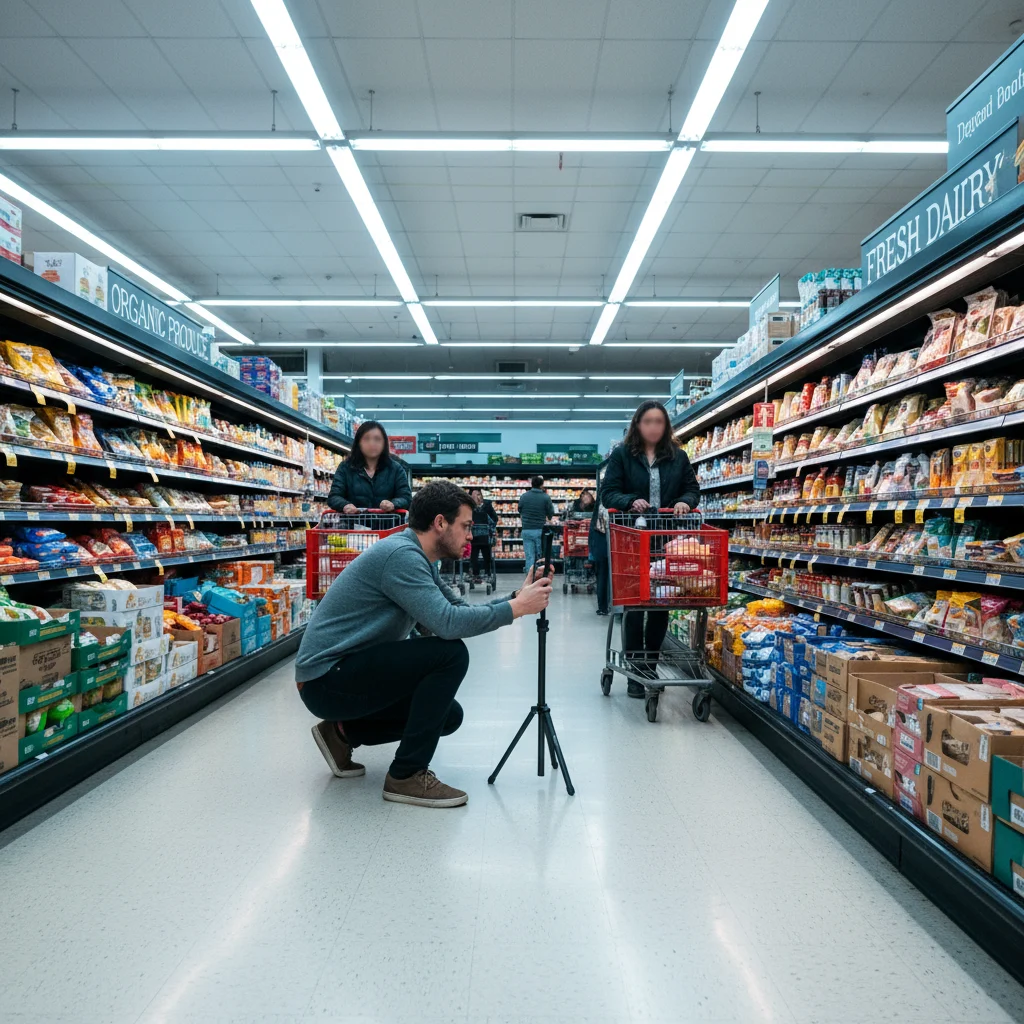
Warehouse employees have voiced even sharper frustrations. Working at Costco is physically demanding. Staff members operate heavy forklifts, maneuver loaded wooden pallets through narrow corridors, and restock towering metal shelves. Having people loitering in blind spots with their eyes glued to phone screens creates real safety hazards.
Under Costco’s official member terms, the retailer has always reserved the right to prohibit photography and video recording on its premises. The rules exist primarily to protect customer privacy, safeguard proprietary store layouts, and prevent workplace accidents. For years, staff looked the other way when customers snapped casual photos of items. But the rise of aggressive influencer culture forced management to draw a clear line in the concrete.
The Creator Backlash: Free Promo or Public Nuisance?
Not everyone is pleased with the stricter enforcement. Several prominent lifestyle influencers have posted videos complaining about being approached by managers or asked to delete footage. They argue that wholesale clubs benefit enormously from user-generated content.
“We are essentially doing unpaid promotional work for the store,” argued one California-based creator who frequently posts grocery budget breakdowns. “We drive foot traffic. We tell people which items are worth buying. Treating creators like troublemakers ignores how modern retail actually works.”
Marketing analysts admit that social hype has genuinely propelled products into viral hits. However, they also point out that Costco’s business model relies far more on membership retention and frictionless warehouse operations than on trendy TikTok crazes. If loyal, high-spending members find the shopping environment chaotic or irritating, the viral publicity quickly becomes a net negative.
A Broader Reckoning Across the Retail Industry
Costco is hardly the only business grappling with the collision between public spaces and creator culture. Across the country, brick-and-mortar establishments are redefining the rules of engagement for mobile cameras.
Gyms, Grocers, and Boutiques Push Back
Fitness chains like Equinox and Life Time have instituted strict photo bans to protect member privacy in locker rooms and weight areas. High-end boutique grocers like Trader Joe’s have quietly instructed staff to halt disruptive shoots. Even big-box competitors like Target have updated store guidelines to prevent organized group challenges and prank videos in their toy and electronics aisles.
The consensus among retail operators is straightforward: casual personal photos are fine, but turning retail floors into personal soundstages is not.
What Members Can Expect Going Forward
Costco has not issued a blanket ban on carrying phones, nor does it intend to police shoppers who want to text a spouse a photo of an item. The crackdowns specifically target visible recording equipment, prolonged filming that impedes traffic flow, and harassment of staff or other members.
For the millions who visit the warehouse club every week just to buy toilet paper, rotisserie chickens, and cheap hot dogs, the policy shift is welcome news. The aisles belong to the shopping carts once again.