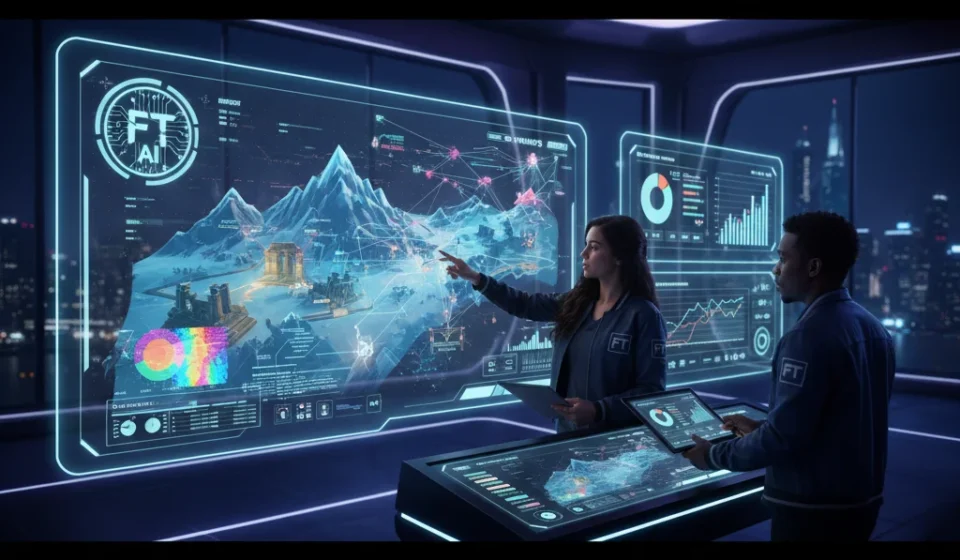

The Grind Just Got Smarter
Competitive Fortnite has always been a game of razor-thin margins. One bad rotate, a missed edit, or a split-second delay in pulling out a shotgun can instantly ruin a tournament run. For years, top-tier pros spent hours manually reviewing their replays to find these mistakes. Average players simply did not have the time or resources to do the same.
That is about to change. Tracker Network, the team behind the widely popular Fortnite Tracker database, has launched a new tool called Match Analyst. Powered by artificial intelligence, this utility aims to give everyday competitive players the same analytical depth once reserved for signed esports athletes with private coaches. The timing is deliberate, landing right as players scramble to master the newly launched Chapter 7 mechanics ahead of the upcoming Fortnite Champion Series (FNCS).
Breaking Down Chapter 7
Chapter 7 introduced massive shifts to the battle royale. Between the overhauled map layout, fresh movement mechanics, and a brand-new loot pool, players are struggling to find the optimal way to play. What worked in Chapter 6 will not cut it anymore.
Match Analyst plugs directly into this chaotic environment. Instead of forcing players to sit through hours of video footage, the AI processes match data in minutes. It highlights exactly where a rotation went wrong, evaluates decision-making during late-game moving zones, and scores overall positioning.
“We wanted to democratize high-level coaching,” says Alex Chen, a lead developer at Tracker Network. “Most players know they died, but they do not always understand why. Was it poor aim, or did they put themselves in a terrible position three minutes earlier? Our AI helps trace the actual root cause of a loss.”
How the AI Digests Your Gameplay
The tool works by analyzing telemetry data from a player’s matches. Once a game ends, Match Analyst generates a comprehensive dashboard. It is not just a list of eliminations and placement numbers. It breaks down the match into distinct phases: early drop, mid-game farming, and the chaotic endgame.
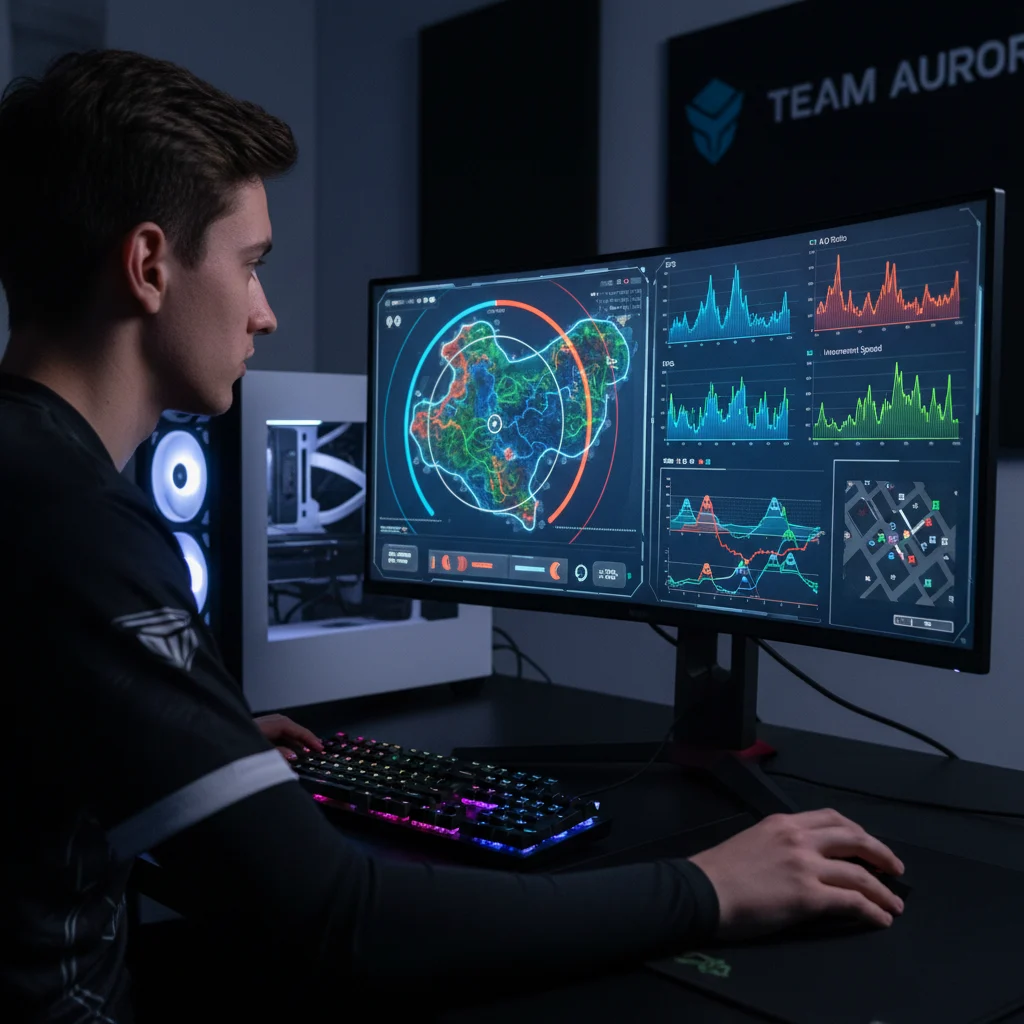
Key features of the Match Analyst include:
- Rotational Heatmaps: This tracks your exact pathing across the island to see if you are running into gatekeepers.
- Combat Efficiency Metrics: Get a clear look at how fast you swap weapons and build during tight box fights.
- Loadout Evaluation: The AI weighs your weapon choices against the current meta to see if you are holding yourself back.
- Dead-Zone Alerts: It highlights moments where you stood out in the open with zero protection.
This level of detail is especially crucial for the FNCS. In high-level lobby environments, one bad surge trade can throw off an entire tournament run. Having an automated system flag storm surge vulnerabilities could be the difference between qualifying and watching from the sidelines.
What the Pros Are Saying
Early feedback from the competitive community has been highly positive. Several prominent semi-pros and content creators have been testing the beta version over the past few weeks.
“It is like having a coach look over your shoulder without paying a massive hourly fee,” says competitive player Jordan ‘Vortex’ Miller. “I realized I was consistently taking mid-game fights on the low ground. I didn’t even notice I was doing it until the AI flagged it across ten matches.”
While some purists argue that relying on AI takes away from the natural instinct of the game, others see it as an inevitable evolution. Esports has become highly analytical, and tools like this level the playing field for players who cannot afford professional analysts.
Getting Started Before FNCS
The Match Analyst is integrated directly into the existing Fortnite Tracker platform. A basic version of the tool is available to all registered users, while advanced deep-dive metrics are reserved for premium subscribers.
As the competitive season heats up, players will need every advantage they can get. With Chapter 7 proving to be one of the most mechanically demanding updates in years, the battle is no longer just about who has the best aim. It is about who can study, adapt, and correct their mistakes the fastest.
