
The Death of FOMO?
Fortnite is changing. For years, Epic Games relied on a simple but incredibly powerful psychological trick to keep millions of players logging in daily: the fear of missing out. If you did not grind through a Battle Pass during a specific three-month window, those skins were gone forever. Missing out on iconic characters like Spider-Man, Darth Vader, or Lara Croft felt like a permanent punishment.
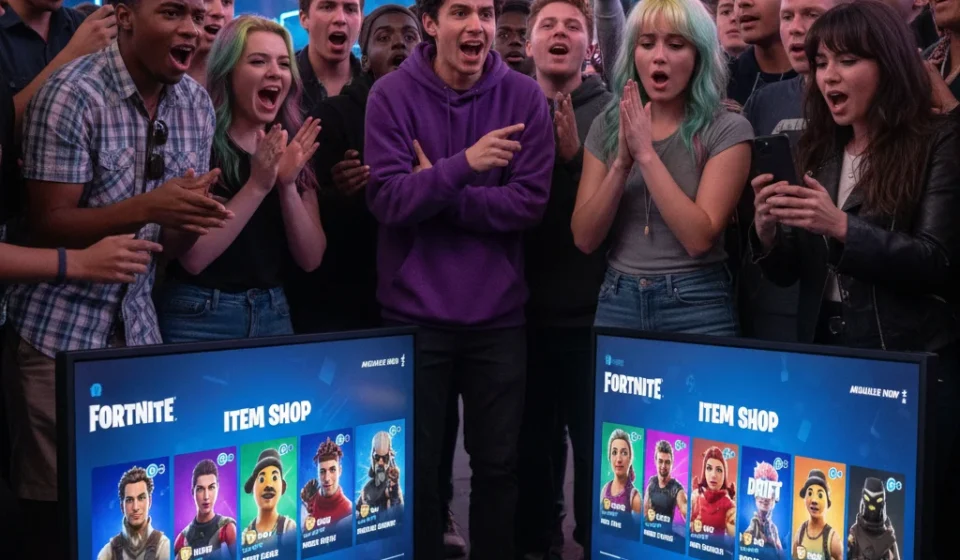
Not anymore. This week, the first wave of formerly exclusive Battle Pass cosmetics has finally started trickling into the Fortnite Item Shop. The move follows Epic’s massive policy shift, which declared that future Battle Pass items could return to the shop at least 18 months after their season ends. It is a watershed moment for the battle royale, and the community is deeply, loudly split.
The Veteran Backlash: Losing the Badge of Honor
For a certain segment of the player base, exclusivity was the entire point. Veteran players—often called “OGs”—view their rare skins as badges of honor. A skin like the original Reaper or Omega does not just look cool; it tells other players that you were there, grinding out challenges in the game’s early days.
On Reddit and X, some long-time players expressed frustration. They argue that breaking the promise of exclusivity cheapens their past efforts. “Why did I spend weeks grinding to level 100 when someone can just pull out a credit card two years later and get the exact same thing?” asked one frustrated player on a popular community forum. To these fans, the value of a cosmetic is directly tied to its scarcity. Without that rarity, the game feels less like a shared history and more like a standard digital storefront.
The Silent Majority: A Win for Accessibility
But for every complaining veteran, there are dozens of casual players quietly celebrating. The reality is that locking popular pop-culture icons behind a time-limited wall never made much sense to the average fan. A kid who started playing Fortnite this year should not be barred from playing as their favorite superhero just because they were too young, or simply not playing, a few years ago.
Newer players point out that gatekeeping digital pixels is a strange hill to die on. “I just want to play as the characters I love,” one player wrote on Discord. “I do not care if some random person in my lobby bought it in 2024 or 2026. Let people have fun.”
The financial argument also heavily favors the new system. While Battle Pass items can now return to the shop, buying them individually is vastly more expensive. A single skin in the Item Shop often costs 1,200 to 2,000 V-Bucks. In contrast, the entire Battle Pass costs just 950 V-Bucks and includes dozens of items. The original grind still offers incredible value; it just no longer locks everyone else out forever.
Why Epic Made the Jump
From a business perspective, Epic’s decision is a no-brainer. Keeping high-demand skins locked in a digital vault forever is essentially leaving millions of dollars on the table. Every day, new players join Fortnite. Many of them are eager to spend money on collaborations that are currently unavailable. By opening the vault, Epic secures a massive, recurring stream of revenue from older assets.
It also eases the pressure on Epic’s design team. Creating hundreds of high-quality, entirely unique cosmetics every year is an exhausting treadmill. Re-releasing older items allows the developers to breathe a little easier while still keeping the Item Shop fresh and exciting for newer players.
An Uncertain Future for Rarity
What does this mean for the future of Fortnite’s economy? For now, older Battle Pass items—specifically those released before the policy change—remain locked away. Epic has stated that they have no plans to retroactively bring back items from early chapters, preserving the “OG” status of those classic skins. But the door is now open, and many wonder if that promise will hold if revenue targets demand another shift.
Ultimately, the reaction to this week’s Item Shop update shows that Fortnite is transitioning from a game defined by artificial scarcity to a more traditional, accessible live-service platform. It is a blow to the collectors, but a massive win for the player base at large. The game is no longer just about showing off how long you have been playing. It is simply about playing.