

Aviation security watchdogs have initiated a sweeping overhaul of threat assessment and diversion protocols across commercial aviation channels. The move comes after a relentless barrage of digital bomb threats targeted Indian carriers, with low-cost international operator Air India Express bearing a significant brunt of the disruption.
Over recent weeks, dozens of flights operated by Air India Express and its domestic peers faced sudden mid-air alerts. Unverified messages on social media platforms claimed explosives were hidden in passenger cabins or cargo holds. While every single incident turned out to be a hoax, the standard emergency response forced aircraft into immediate diversions, mandatory fuel dumping, and intensive anti-sabotage sweeps on isolated tarmacs.
The Operational Burden of Digital Hoaxes
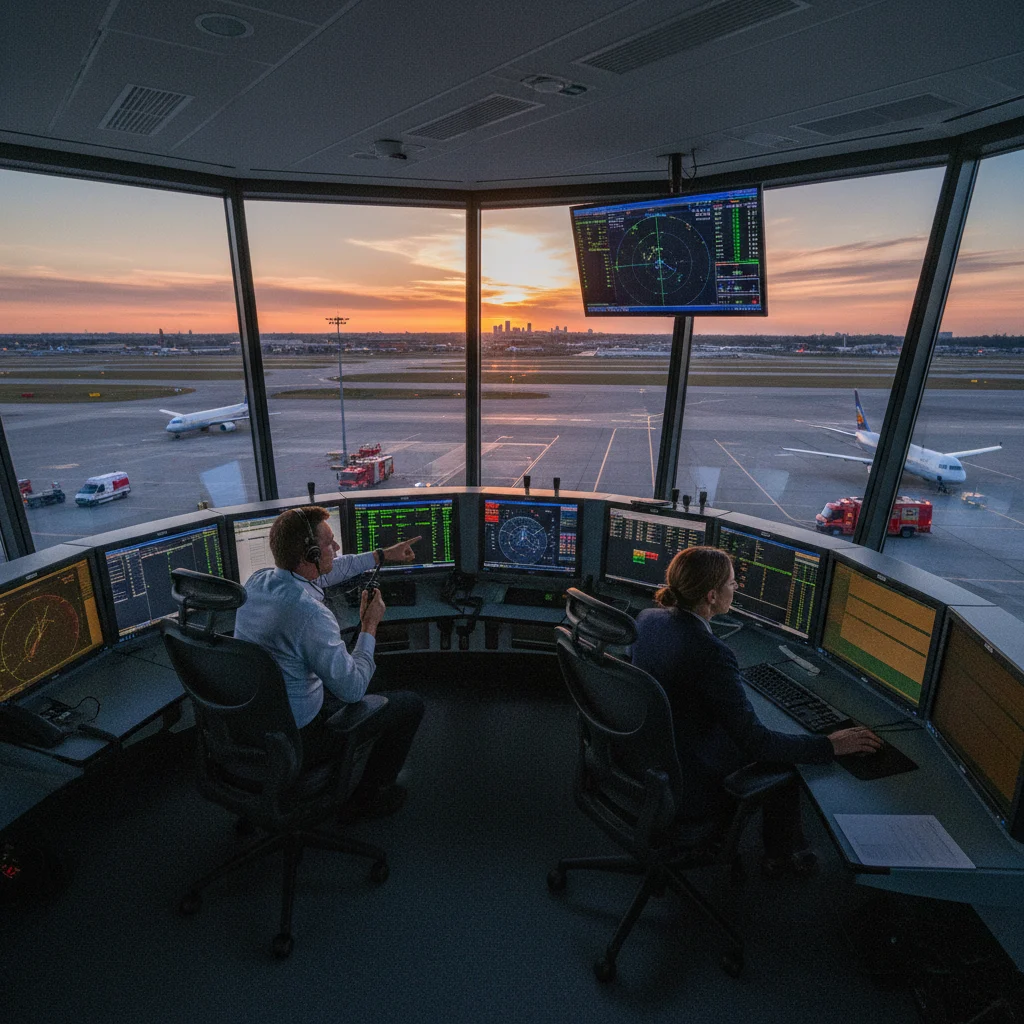
Standard operating procedures historically treated almost every bomb warning with maximum alert levels. When a threat surfaced, regional air traffic controllers and cockpit crews had little choice but to divert to the nearest designated airport capable of handling an emergency response.
For Air India Express, which runs high-density routes connecting tier-two Indian cities with Gulf hubs and Southeast Asia, the disruptions cascaded rapidly. In one high-profile instance, an Air India Express flight heading to Singapore required an armed fighter jet escort before landing under armed guard at Changi Airport. Another domestic flight between Jaipur and Bengaluru had to make an unscheduled stop in Ayodhya, stranding more than a hundred passengers while security teams inspected every piece of luggage.
These disruptions carry staggering financial costs. An unscheduled diversion can cost an airline tens of thousands of dollars in wasted aviation fuel, landing charges, passenger accommodation, and mandatory aircraft inspections. Furthermore, when flight crews exceed their statutory flight duty time limitations during extended ground searches, relief crews must be flown in, grounding aircraft for hours or even days.
Revising the Bomb Threat Assessment Playbook
In response to the operational strain, the Bureau of Civil Aviation Security, working alongside the Directorate General of Civil Aviation and law enforcement agencies, has updated the operational mandate for the Bomb Threat Assessment Committee. The committee exists at every commercial airport in India, bringing together airport directors, airline security chiefs, central security personnel, and local police.
Under the revised guidelines, the committee will apply more stringent vetting criteria before classifying an anonymous digital post or phone call as a specific and actionable threat. Rather than triggering automatic mid-flight diversions, analysts will cross-reference metadata, user account histories, and flight manifests in real time.
- Tiered Threat Classification: Distinguishing rapidly between non-credible generic chatter and targeted, intelligence-backed warnings.
- In-Flight Risk Mitigation: Allowing pilots to continue to their scheduled destination under heightened cockpit vigilance if the threat assessment deems the warning non-specific.
- Streamlined Cabin Sweeps: Focusing post-landing inspections on specific risk vectors rather than dismantling entire cabin interiors unless physical anomalies are observed.
- Cross-Border Air Traffic Coordination: Improving direct data links between Indian security cells and international air traffic controllers to prevent unnecessary fighter escorts or airspace closures.
Closing the Cyber-Security Gaps
A central challenge facing investigators is the anonymous nature of modern hoax campaigns. Many recent threats were blasted across platforms like X and Reddit using virtual private networks and temporary burner accounts. In several cases, automated bot networks tagged multiple airline handles and international civil aviation bodies simultaneously.
Aviation authorities are now collaborating directly with cybercrime units and major social media corporations to build faster escalation channels. When a handle posts a threat against a scheduled flight, investigators can now request immediate IP telemetry and device logs to trace the origin before the flight enters a critical phase of navigation.
Stricter Legal Consequences for Hoax Callers
Alongside procedural changes in the air, the government is preparing legislative amendments to deter future culprits. Proposed updates to civil aviation safety laws seek to make hoax threats a non-bailable offense carrying heavy financial penalties and multi-year prison sentences.
Regulators are also expanding the national no-fly list. Individuals identified as perpetrators of fake security threats will face automatic, multi-year travel bans across all domestic airlines, with their details shared with foreign civil aviation authorities.
Balancing Absolute Safety with Pragmatism
Aviation security remains inherently risk-averse. For decades, safety experts argued that treating every threat as genuine was the only acceptable philosophy. However, the weaponization of social media has created an asymmetry where a single anonymous post can ground an airliner, tie up emergency services, and disrupt the travel plans of hundreds of innocent passengers.
Airline operators have broadly welcomed the updated framework. Industry leaders note that while passenger safety must remain entirely non-negotiable, security mechanisms need to evolve to counter digital harassment tactics that exploit rigid twentieth-century protocols.
As Air India Express and other regional operators restore normal schedules, the new vetting system faces its first operational tests. The updated protocols aim to ensure that while security forces stay ready for genuine emergencies, digital pranksters can no longer paralyze commercial skies with the click of a button.
