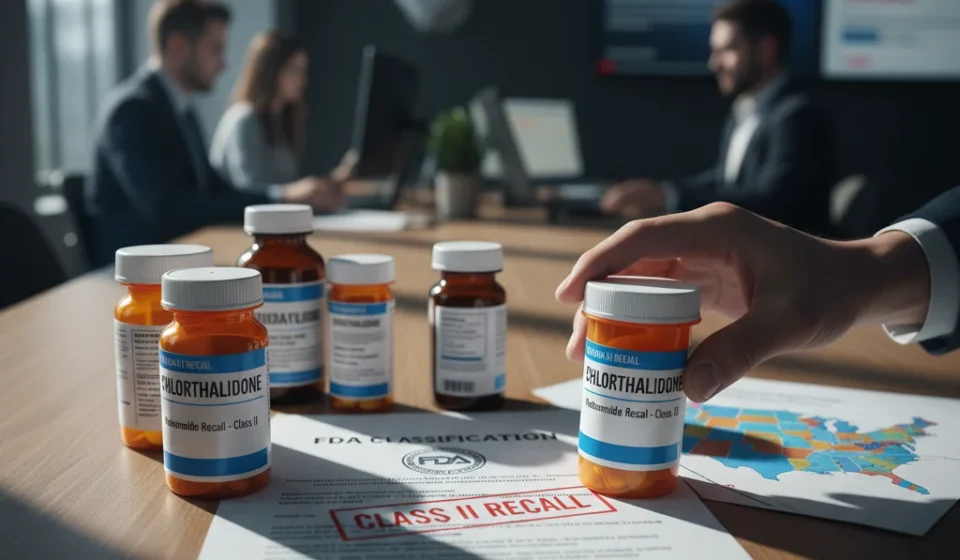

The U.S. Food and Drug Administration (FDA) has classified a nationwide recall of generic chlorthalidone tablets as Class II. This update follows a voluntary recall initiated after the drug failed critical dissolution testing during routine quality control checks.
Understanding Chlorthalidone and Its Role
Chlorthalidone is a heavy-lifter in cardiovascular medicine. It is a widely prescribed diuretic, often called a water pill, used to treat high blood pressure and reduce edema caused by fluid retention. Because millions of patients rely on this medication daily, any disruption in supply or quality catches immediate attention from health authorities.
For patients managing chronic hypertension, consistency is vital. Even small fluctuations in the drug’s effectiveness can have real-world health consequences.
The Science Behind the Recall: Dissolution Failures
The issue center stage here is dissolution.
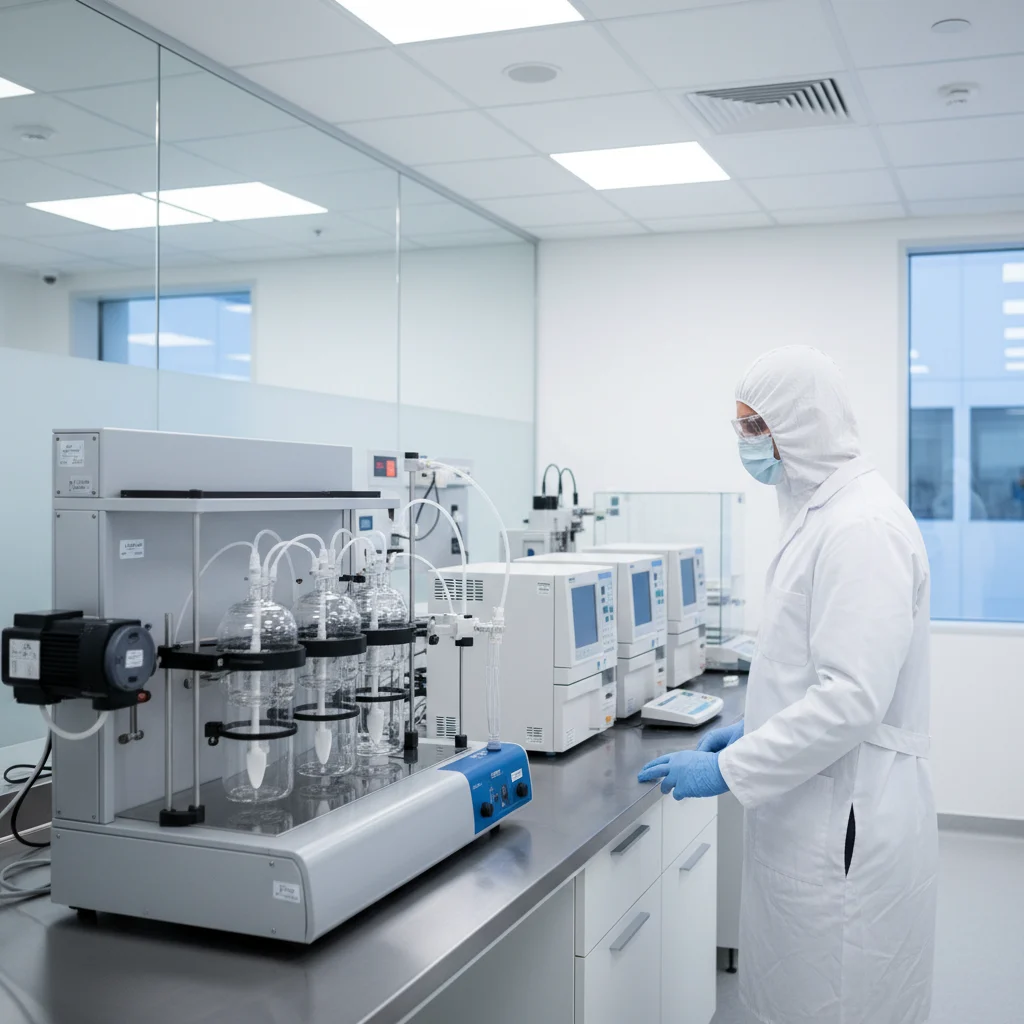
During routine laboratory checks, certain batches of the drug did not dissolve as expected. In pharmaceutical manufacturing, dissolution is everything. It determines how quickly and completely a tablet breaks down in the stomach. If a pill dissolves too slowly, or not at all, the body cannot absorb the active ingredient properly.
This leads to under-dosing. When a blood pressure medication is too weak, a patient’s blood pressure can climb, putting them at risk for cardiovascular complications. Sun Pharmaceutical Industries, a major player in the generic market, manufactured the affected lots. The recall impacts both 25 mg and 50 mg strengths of the medication, which were distributed to pharmacies across the United States.
Best CPA Marketing Course – Nogor Web Bangladesh
What a Class II Classification Means for Patients
The FDA uses three tiers for recalls. Class I is the most urgent, reserved for products that could cause serious injury or death. Class II sits in the middle. It signifies that exposure to the recalled product might cause temporary, reversible health issues. The chance of severe, permanent harm is considered low.
Even so, the FDA and manufacturers treat these incidents with high priority. They want to get the faulty pills off the shelves before anyone experiences adverse effects.
What Patients Should Do next
Doctors and pharmacists are urging patients not to panic. More importantly, they warn against stopping the medication abruptly. Stopping a daily blood pressure drug suddenly can trigger a dangerous spike in blood pressure. This rebound effect is often more hazardous than taking a slightly under-strength pill for a few days.
Instead, patients should take these practical steps:
- Check your pill bottles for the manufacturer name and lot numbers.
- Call your local pharmacy to see if your specific prescription is part of the recalled batches.
- If your bottle is affected, request a safe replacement from your pharmacist.
- Consult your primary care doctor if you have experienced any unusual blood pressure readings recently.
The Tightrope of Generic Manufacturing
Incidents like this highlight the tightrope generic drug manufacturers must walk. Formulating a generic pill requires precise chemistry. Even small changes in the binding agents, or the physical pressure used to compress the tablets, can alter how they dissolve in the body. Regular FDA oversight and robust internal testing are what keep these manufacturing variations from turning into broader public health crises.
For now, the focus is on recovery. Sun Pharma and its distributors are working to pull the remaining inventory from pharmacy shelves. If you have questions about your prescription, a quick call to your doctor or local pharmacist is your best first step.