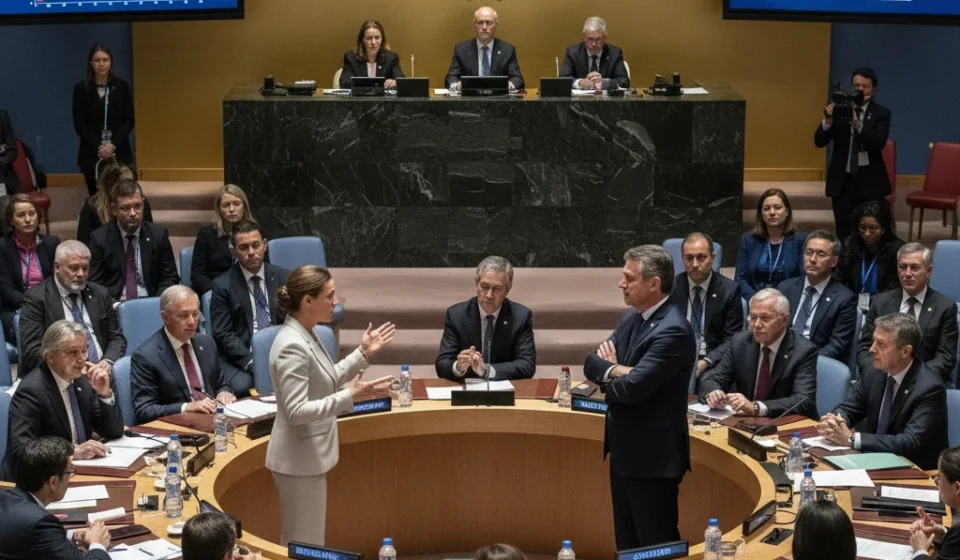

A Tense Handover in New York
The diplomatic honeymoon between the world’s major climate hosts is officially over. At the United Nations General Assembly in New York, the transition from Brazil’s COP30 presidency to Australia’s upcoming COP31 hosting duties turned into a sharp debate over fossil fuels and climate finance.
The contrast between the two nations could not be more stark. Brazil is pushing for a dramatic halt to global deforestation and a rapid phase-out of fossil extraction. Australia, meanwhile, wants to position itself as a green energy superpower. Yet Canberra continues to greenlight major coal and gas projects at home. This dual identity has drawn fierce criticism from both South American diplomats and Pacific island nations.
The Battle Over Fossil Fuel Exports
Speaking at a UNGA side event, Brazilian Environment Minister Marina Silva did not mince words. She emphasized that the legacy of COP30 in Belém must be a binding commitment to transition away from all fossil fuels. While she did not name Australia directly, her target was obvious.
“We cannot talk about saving the planet while simultaneously planning new coal mines and gas fields,” Silva said. “The science does not allow for double standards. True climate leadership requires consistency.”
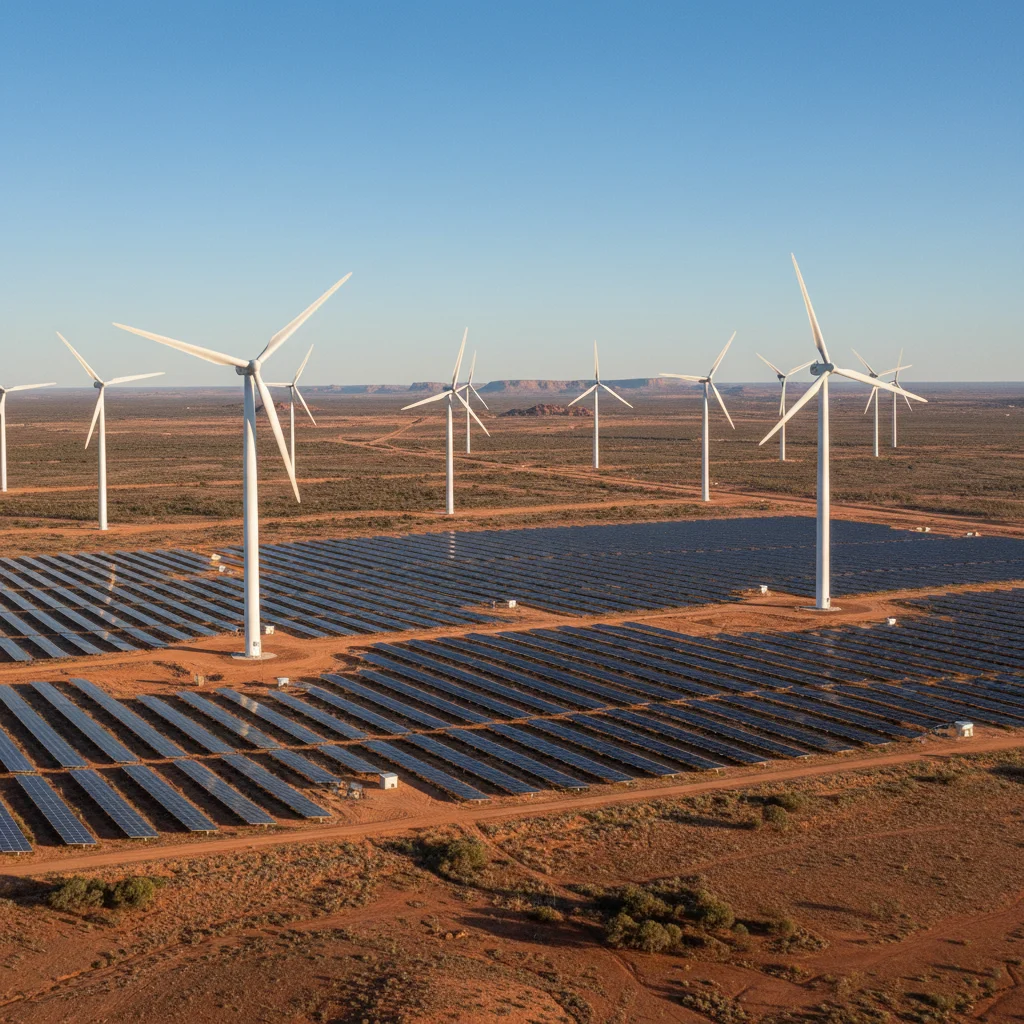
Australia is bidding to co-host COP31 alongside Pacific island states, presenting itself as a close partner to nations most vulnerable to rising sea levels. But those very partners are growing restless. Pacific leaders have increasingly allied with Brazil’s aggressive stance, demanding that Australia set a concrete timeline to phase out its massive fossil fuel exports.
Canberra Defends Its Record
Australian Climate Change and Energy Minister Chris Bowen defended his government’s strategy. He argued that Australia is undergoing one of the fastest renewable energy rollouts in the world. The country is working toward a 43% emissions reduction target by 2030, backed by billions in clean tech investments.
Best CPA Marketing Course – Nogor Web Bangladesh
“We are transforming our grid at record speed,” Bowen stated during a press briefing. “But we also have to manage a realistic global transition. Our regional partners rely on stable energy supplies as we build the renewable infrastructure of the future. We cannot just turn off the tap overnight.”
That argument is finding fewer takers in New York. Diplomatic sources say behind-the-scenes meetings have been exceptionally tense. Brazil is leveraging its position as the outgoing COP30 president to lock in strict commitments on fossil fuel supply reduction, hoping to corner Australia before the COP31 presidency officially begins.
The Funding Dispute
Another major point of friction is the New Collective Quantified Goal on climate finance. Brazil and its allies in the Global South want wealthy nations to commit to trillions of dollars in public funding to help developing countries adapt to climate change. Australia, aligned with the United States and the European Union, is pushing for a model that relies heavily on private capital and loans.
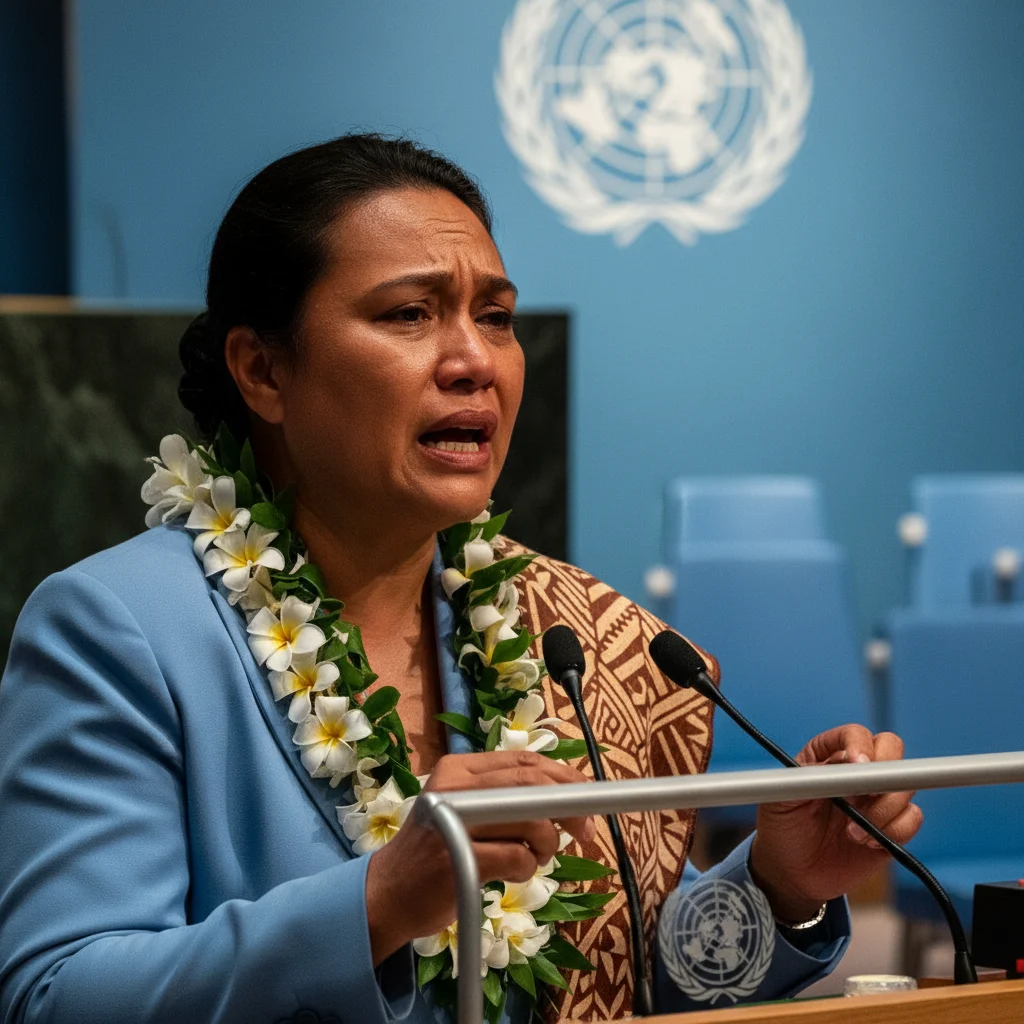
Pacific island delegates are caught in the middle. While they rely on Australian aid and security partnerships, they agree with Brazil that public grants, not loans, are vital for their survival.
- Brazil demands strict timelines for fossil fuel phase-outs.
- Australia defends its gas exports as a transitional fuel for Asia.
- Pacific nations demand Australia halt all new coal and gas approvals before COP31.
- Disagreements persist over public climate finance versus private investment models.
The Road to COP31
With only months left before the official handover, the pressure on Australia is building. To secure a successful COP31, Canberra needs the full backing of the international community. But if it continues to approve domestic fossil fuel projects, the summit risk being overshadowed by protests and diplomatic boycotts from the very nations Australia claims to protect.
For now, the UNGA debates have made one thing clear. The journey from Belém to Adelaide will not be a smooth transition, but a fierce battle over the future of global energy policy.
