

The Return of a Trusted Voice
Bucharest, June 2026. The digital media space in Romania just got a major upgrade. With a series of short, crisp video announcements, the BBC World Service officially went live with BBC News România. It is a new chapter in a relationship that goes back decades. For local readers, it means direct access to hard-hitting global reporting, deep investigative work, and stories that touch home. At a time when trust in media is fragile, the arrival of this dedicated service offers a fresh perspective on both local history and international affairs.
The Rooftop Rebels Who Wired Bucharest
Take, for instance, a newly published feature on how Romania got its blazing-fast internet. It is a story of pure teenage rebellion and resourcefulness. Back in the late 1990s, Bucharest was a landscape of gray, communist-era apartment blocks. Official dial-up internet was agonizingly slow and far too expensive for ordinary families. So, the neighborhood kids took over.
They worked in the dark. Armed with cheap coaxial cables, basic switches, and plenty of courage, teenagers climbed onto slippery roofs. They threw wires across alleys, connecting one balcony to another. They built makeshift local networks from scratch. These amateur setups grew organically, block by block, eventually blanketing entire districts. It was chaotic. It was highly illegal. But it worked. This grassroots effort is the direct ancestor of Romania’s modern fiber-optic success story, explaining why the country still enjoys some of the fastest download speeds in Europe today.
Brutal Realities and Silenced Truths
But the new Romanian portal does not just look backward. It turns a sharp eye on today’s global crises. Just north of the Romanian border, a quiet tragedy is unfolding in Ukraine. According to recent reports, Russian military strikes have systematically targeted Ukrainian publishing houses, archives, and cultural sites. The toll is devastating. Over 12 million books have been reduced to ashes or rubble just before the start of the new school year. Ukrainian officials argue this is not collateral damage. It is a deliberate campaign to erase their national identity.
Further east, information is being choked off. In Tibet, horrific flash floods have torn through mountain valleys, leaving paths of destruction. Yet, if you live in mainland China, you would barely know it. The most dramatic and damning footage of these deadly torrents is conspicuously absent from state-run television. The BBC’s reporting bypasses this censorship, bringing the true scale of the Tibetan disaster to light.
Under the Taliban’s Shadow
The portal also takes readers deep into territories where the clock has been violently wound back. Five years have passed since the Taliban swept back into power in Kabul. For Afghan women, the change has been catastrophic. In recent interviews, women describe their daily lives as completely unrecognizable compared to half a decade ago. Every aspect of their existence is controlled. The regime has systematically dismantled their rights, using modern technology like smartphones to monitor compliance while reshaping the entire nation in their image.
Human Drama and the Quest for Justice
In Europe, the struggle for justice takes different, equally harrowing forms. One of the most talked-about cases of the summer involves Gisèle Pelicot in France. In an exclusive conversation, Pelicot spoke about the unimaginable ordeal she faced at the hands of her husband, who drugged her and invited dozens of strangers to abuse her over a decade. “I was overwhelmed by horror,” she said, reflecting on the moment she discovered the truth. Yet, incredibly, she added, “but I am not angry.” Her quiet dignity has turned her into an international symbol of resilience.
France is also grappling with another bizarre and disturbing scandal. A group of women have come forward to accuse a senior French civil servant of a bizarre pattern of abuse. They allege that the official deliberately drugged them during meetings or interviews, solely to force them into embarrassing situations where they had to urinate in public or in his presence. The case has sent shockwaves through the French administrative establishment.
Everest’s Grim Landmark Might Finally Go Home
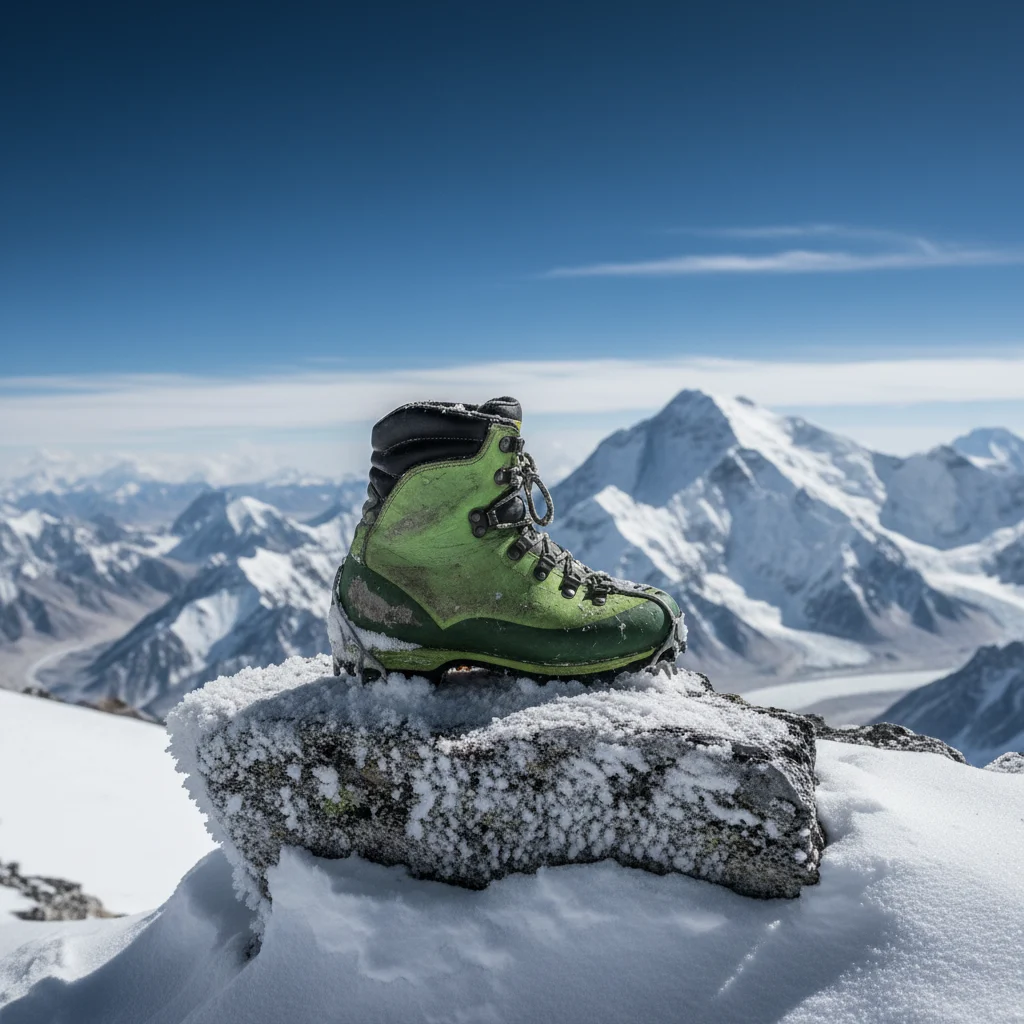
Up in the freezing heights of the Himalayas, another long-running mystery is finally moving toward a resolution. For three decades, the frozen body of an Indian climber, known to mountaineers simply as “Green Boots,” has rested on a limestone ledge along Everest’s northeast ridge. He became a silent, tragic landmark for everyone pushing for the summit. Now, after thirty years in the ice, Indian authorities are attempting the incredibly dangerous task of retrieving his body. The goal is simple: to bring him home and give his family the chance to hold a proper funeral.
Pasta, Longevity, and Wild Bears
Not all global trends are so somber. The launch has also highlighted some fascinating, lighter cultural shifts. Enter “NonnaMaxxing.” It is the latest travel craze gripping Gen Z and Millennial travelers. Young people are tired of overcrowded beaches and loud clubs. Instead, they are paying to travel like grandmas. They are booking trips designed to immerse them in authentic, slow-paced experiences led by older women. Think hand-rolling orecchiette pasta with grandmothers in Italy, learning ancient weaving techniques in Thailand, or exploring traditional tea ceremonies in Japan.
This focus on aging beautifully naturally raises questions about longevity. One of the most read pieces on the new site explores why so many Japanese women live past their hundredth birthday. It is not just about eating fish and green tea. The secret lies in a combination of social support, active daily routines, and a cultural concept of purpose that keeps them engaged long after retirement.
Meanwhile, the portal explores how even the simplest things have wild histories. Consider garlic. The humble bulb has traveled from ancient Central Asian valleys, through medieval European folklore where it was used to ward off evil and cure diseases, to its current spot as the absolute backbone of global cuisine.
Back home in Romania, the relationship between humans and nature is shifting. The country has long boasted one of the largest brown bear populations in Europe. For years, Romanians viewed these majestic animals with pride and sympathy. But that warmth is fading fast. As bears increasingly venture into mountain towns, trash cans, and tourist resorts looking for food, dangerous encounters have skyrocketed. The public mood is souring, sparking a fierce debate over wildlife management and human safety.
From the high peaks of Everest to the rooftops of 1990s Bucharest, the launch of BBC News România brings these diverse threads together. It provides Romanian readers with a reliable window to the world, offering balanced, deeply researched journalism at a time when clarity is more valuable than ever.