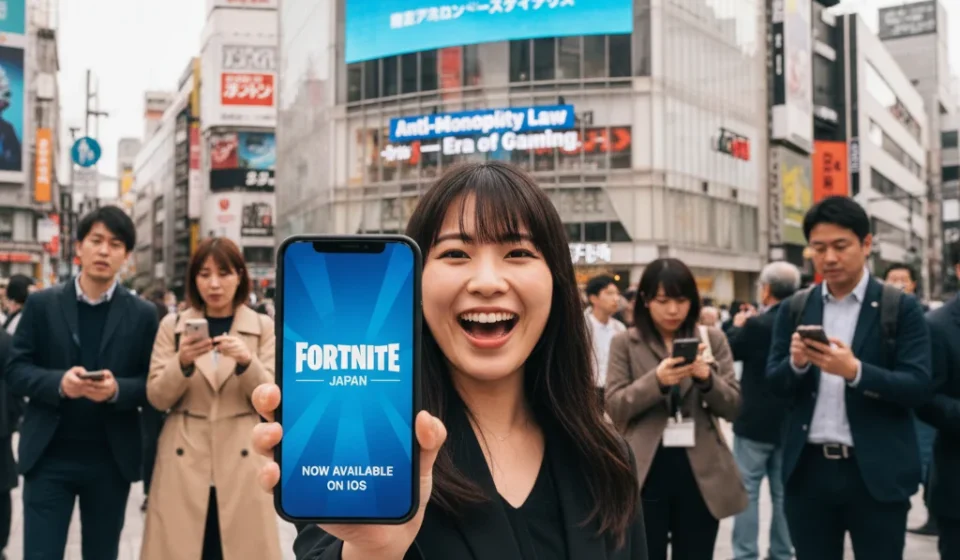

Fortnite is finally making its way back to iPhones in Japan.
Epic Games announced the move, marking another major crack in Apple’s mobile fortress. The battle royale hit has been missing from iOS devices in the country for years. But legislative pressure is changing the rules of the game.
A New Law Takes Effect
This comeback is directly tied to Japan’s new anti-monopoly smartphone law, which has officially taken effect. Officially called the Act on Promotion of Competition for Specified Smartphone Software, the law targets dominant tech giants, specifically Apple and Google. Under these new regulations, the mobile giants must allow third-party app stores on their operating systems. They are also barred from blocking developers who want to use alternative payment systems.
Japan’s regulatory shift closely mirrors the European Union’s Digital Markets Act (DMA). That landmark European law allowed Epic to launch its own digital storefront and bring Fortnite back to iOS users in Europe last year. Now, Japan becomes the second major region to force Apple’s hand through government intervention. It is a massive victory for Epic in its long-running war against the mobile duopoly.
The Road Back to iOS
For years, Apple controlled its App Store with absolute authority, taking a 30 percent cut of digital sales. Epic Games rebelled against this setup in August 2020. The developer slipped a secret update into Fortnite, letting players buy in-game currency directly from Epic at a discount. Apple reacted swiftly, pulling Fortnite from the App Store. Epic sued, sparking a multi-year legal drama that spanned several continents.
While the courtroom battles in the United States yielded mixed results, governments around the world took note. Lawmakers realized that letting a couple of private companies dictate what apps billions of people can install might not be healthy for the digital economy.
Penalties and Compliance
Japan’s new law aims to shake things up. It bans mobile platform giants from giving their own apps and services preferential treatment in search results. It also prevents them from restricting third-party app stores. If companies violate these rules, they face severe penalties. The initial fine can be up to 20 percent of their domestic revenue in Japan. If they keep violating the law, that fine can shoot up to 30 percent. For a trillion-dollar company like Apple, that is a risk too big to ignore.
How to Play Fortnite in Japan
So, how will Japanese players get Fortnite back on their phones?
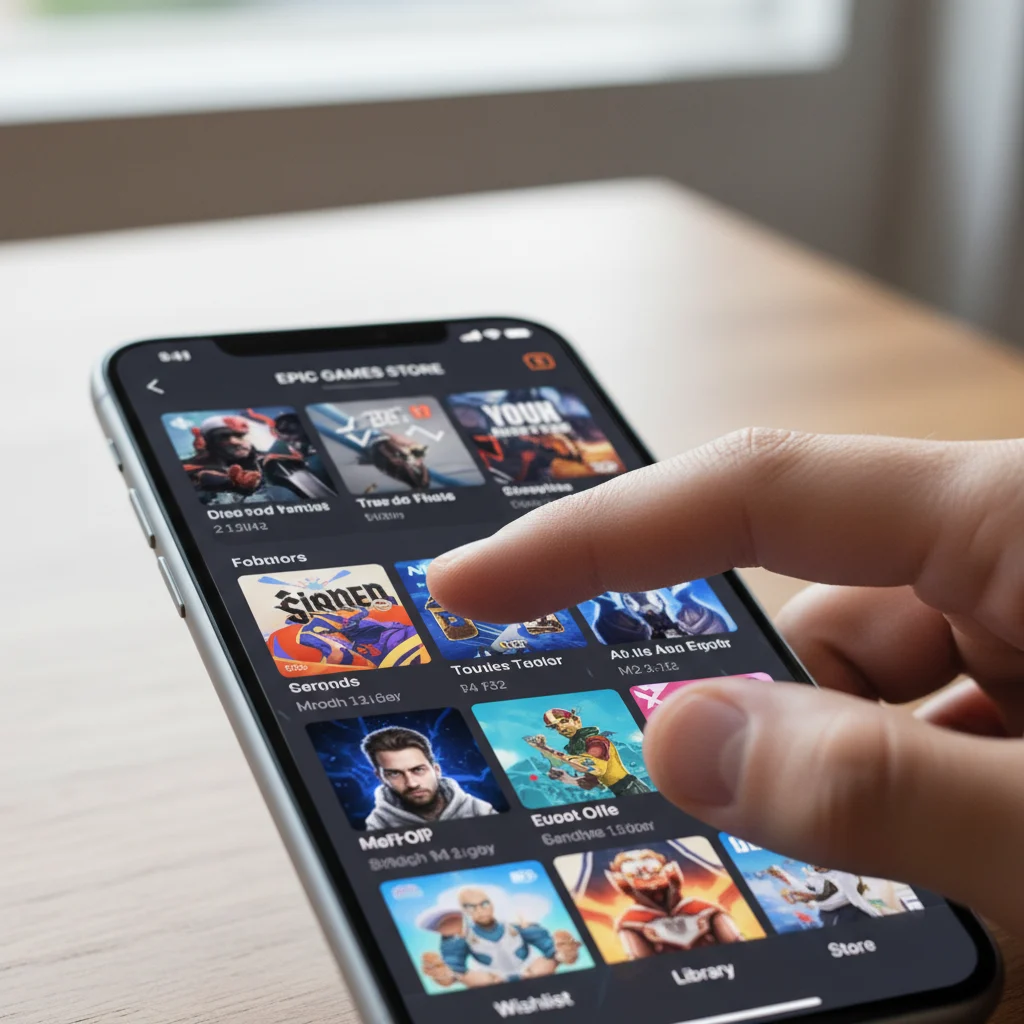
Epic plans to launch the iOS version of the Epic Games Store in Japan. Once that is live, users can download the storefront directly from Epic’s website through a process known as sideloading. From there, they can install Fortnite. While it requires a few more clicks than using the official App Store, it is a straightforward workaround for players who have been locked out of the mobile version for four years.
The return is a big deal for the Japanese gaming market. Japan is one of the most lucrative mobile gaming markets in the world. While consoles like the Nintendo Switch dominate living rooms, smartphones are the primary gaming devices for millions of commuters and students. Having Fortnite back on iOS opens up a massive, highly active player base that has been itching to jump back onto the island.
The Global Struggle Continues
Tim Sweeney, Epic’s CEO, has been highly vocal about these changes. He has repeatedly praised regulators in both Europe and Japan for standing up to big tech. To Sweeney, this fight is about more than just one game. He envisions an open digital ecosystem where developers can compete on their merits, not on who controls the operating system.
But the fight is far from over. Apple has resisted these changes at every turn. In Europe, the tech giant introduced new fees and complicated authorization screens for alternative stores. Epic has accused Apple of “malicious compliance” designed to scare off users. It remains to be seen if Apple will try similar tactics in Japan to protect its lucrative ecosystem.
Still, the momentum is clearly shifting. More countries are looking closely at how Apple and Google run their empires. South Korea has already passed laws targeting payment monopolies, and the United Kingdom is working on its own digital markets legislation.
For Japanese gamers, the legal wrangling matters far less than the end result. They just want to play. Soon, they will be able to drop into the battle bus once again, straight from their iPhones.