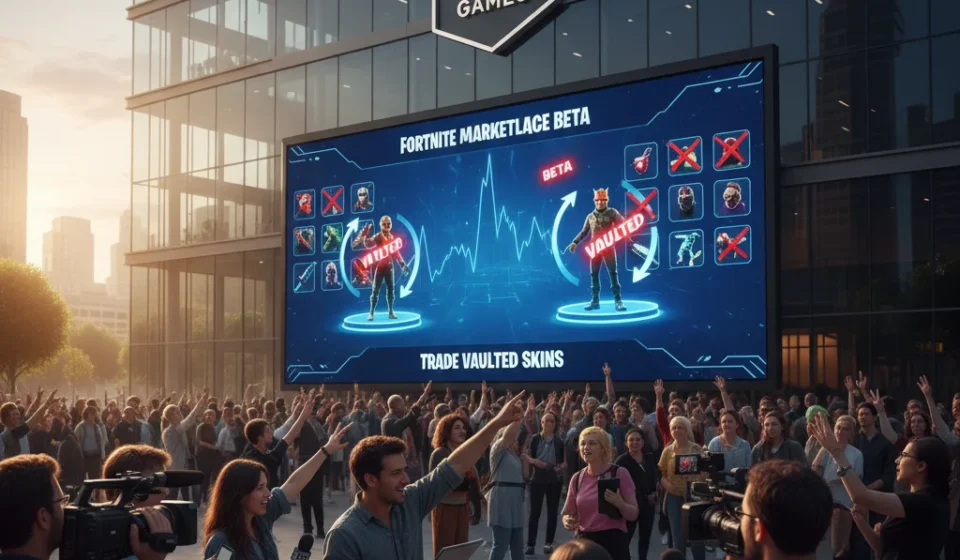

A Secure Trading Floor for Fortnite’s Rarest Items
Fortnite’s rarest cosmetics are finally getting an official trading floor. Today, Epic Games launched the beta version of the long-rumored “Fortnite Marketplace.” This new platform allows players to buy, sell, and trade coveted virtual items directly with one another in a secure environment.
For years, the secondary market for Fortnite accounts has been a Wild West. Scammers routinely preyed on players desperate to get their hands on “OG” skins like the Renegade Raider or the original Black Knight. While selling accounts has always violated Epic’s Terms of Service, a massive underground economy thrived anyway. Now, Epic is stepping in to bring that economy in-house.
Strict Guidelines to Curb Fraud
It is not a free-for-all. Epic is introducing rigorous digital commerce guidelines to keep transactions safe and prevent speculative manipulation. To participate in the marketplace beta, players must meet several strict requirements:
- Accounts must be in good standing and at least 180 days old.
- Two-factor authentication (2FA) must be enabled.
- Players must have logged active playtime during the current season.
In addition, transactions will not use real-world money. Instead, all trades are conducted using V-Bucks, Fortnite’s native in-game currency. Epic will also levy a 10% transaction fee on every sale. This fee is designed to combat artificial price inflation and help fund the marketplace’s ongoing security infrastructure.
Which Vaulted Skins Are Eligible?
Not every item in a player’s locker is up for grabs immediately. For the initial beta phase, Epic is limiting trades to a curated selection of “vaulted” skins. These are cosmetics that have not appeared in the official Item Shop for at least two years.
Collaborative skins, such as those featuring real-world musicians, athletes, or external intellectual properties like Marvel and Star Wars, are currently excluded. Industry insiders suggest that licensing agreements for these crossover characters are highly complex, though Epic hinted that negotiations are underway to include them in future updates.
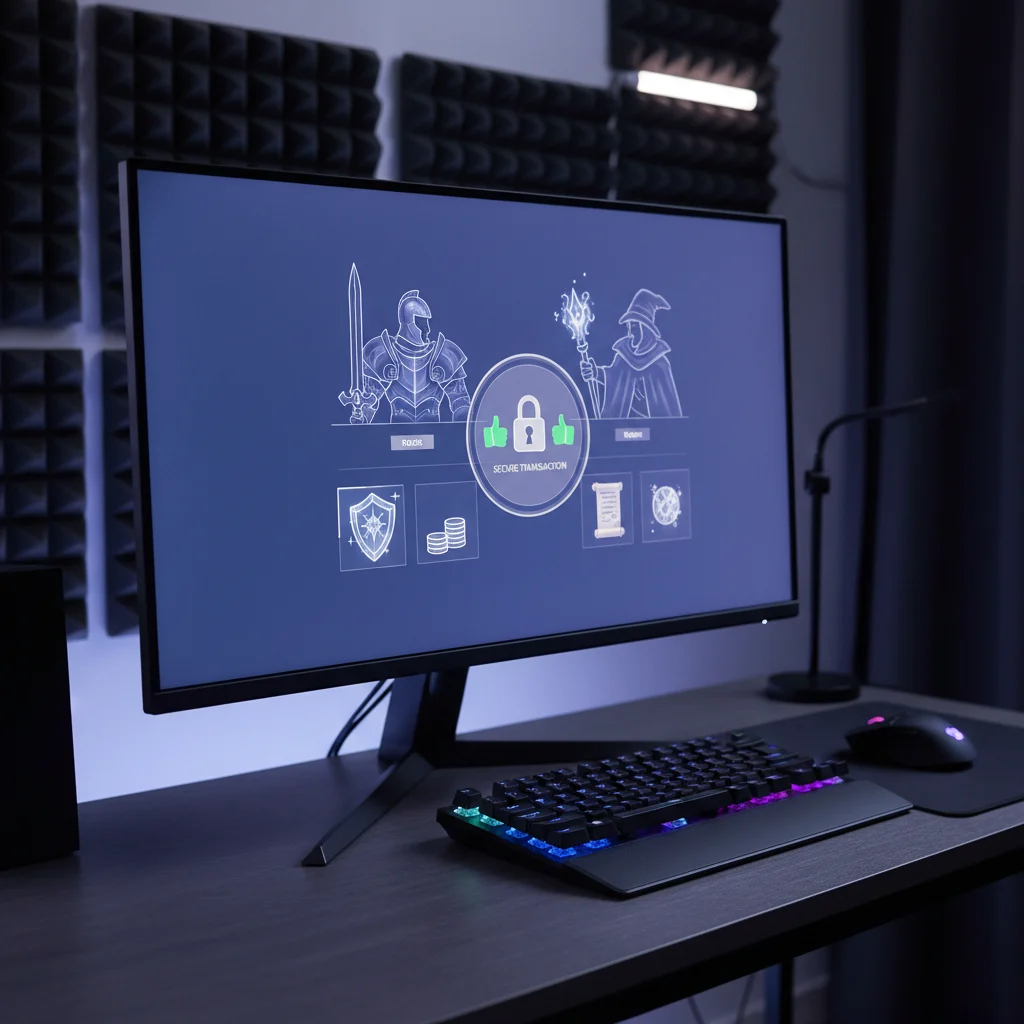
A Shift in the Digital Ownership Debate
This launch represents a major pivot for Epic Games. Historically, the developer resisted peer-to-peer trading systems, unlike Valve’s long-established Steam Community Market. However, as the concept of digital ownership evolves, Epic is choosing to adapt rather than fight the tide.
“We want to give players more agency over their digital collections,” Epic Games said in an official statement. “By bringing trading into a secure, official environment, we can protect our community while acknowledging the real, lasting value they place on these virtual items.”
The move also fits into Epic CEO Tim Sweeney’s broader vision of a connected, open metaverse. By establishing clear guidelines for digital commerce, Epic is setting a precedent for how virtual assets might be managed across different games and platforms in the future.
Mixed Reactions from the Community
So far, the player base is reacting with a mix of intense excitement and mild skepticism. Long-time collectors are thrilled at the prospect of legally exchanging their unused rare skins for V-Bucks to spend on newer items. On the other hand, some purists worry that the update might dilute the prestige of owning classic cosmetics.
“Seeing a Renegade Raider in the lobby used to mean you met a true veteran,” says veteran player Marcus ‘LootByte’ Vance. “Now, it just means someone had enough V-Bucks to buy it. It changes the social dynamic of the game, but honestly, stopping the shady account sellers is worth it.”
Epic plans to monitor market volatility, server stability, and player feedback closely during this trial period. While the beta is currently restricted to select regions, a full global rollout is expected to happen by the end of the year.
