Fortnite is about to look very different. In a move that upends its decade-long virtual economy, Epic Games is opening up its highly lucrative Item Shop to independent creators. Through a new initiative called Creator Wearables, eligible designers will soon be able to build custom digital outfits and sell them directly to millions of players worldwide.
This is a radical departure from how Fortnite has operated since its launch. For years, the game’s cosmetic market was a closed shop. Only Epic Games or its massive corporate partners—like Disney, Nike, or various anime franchises—could put skins on the digital shelves. Now, the tools of production are being handed over to the community.
A New Era for UEFN Designers
The program leverages Unreal Editor for Fortnite (UEFN), the powerful software suite that has already allowed developers to build entire games inside the Fortnite ecosystem. Up until now, these creators made money primarily through “engagement payouts,” a system where Epic distributes a portion of Fortnite’s net revenue based on how much time players spend in custom maps.
Creator Wearables introduces a direct-to-consumer model. Designers can craft individual clothing items, accessories, and full outfits, then list them for V-Bucks, Fortnite’s in-game currency. When a player buys a custom skin, the designer gets a direct cut of the sale. It turns Fortnite from a game with a creator program into a full-blown digital fashion marketplace.
The Tech Behind the Digital Threads
Making a skin that fits perfectly on Fortnite’s hundreds of existing character models is no small technical feat. To make this work, Epic has integrated sophisticated digital fashion tools into its pipeline. Much of this relies on Epic’s ongoing partnership with CLO Virtual Fashion, the company behind Marvelous Designer—an industry-standard tool used by real-world fashion designers and animators alike.
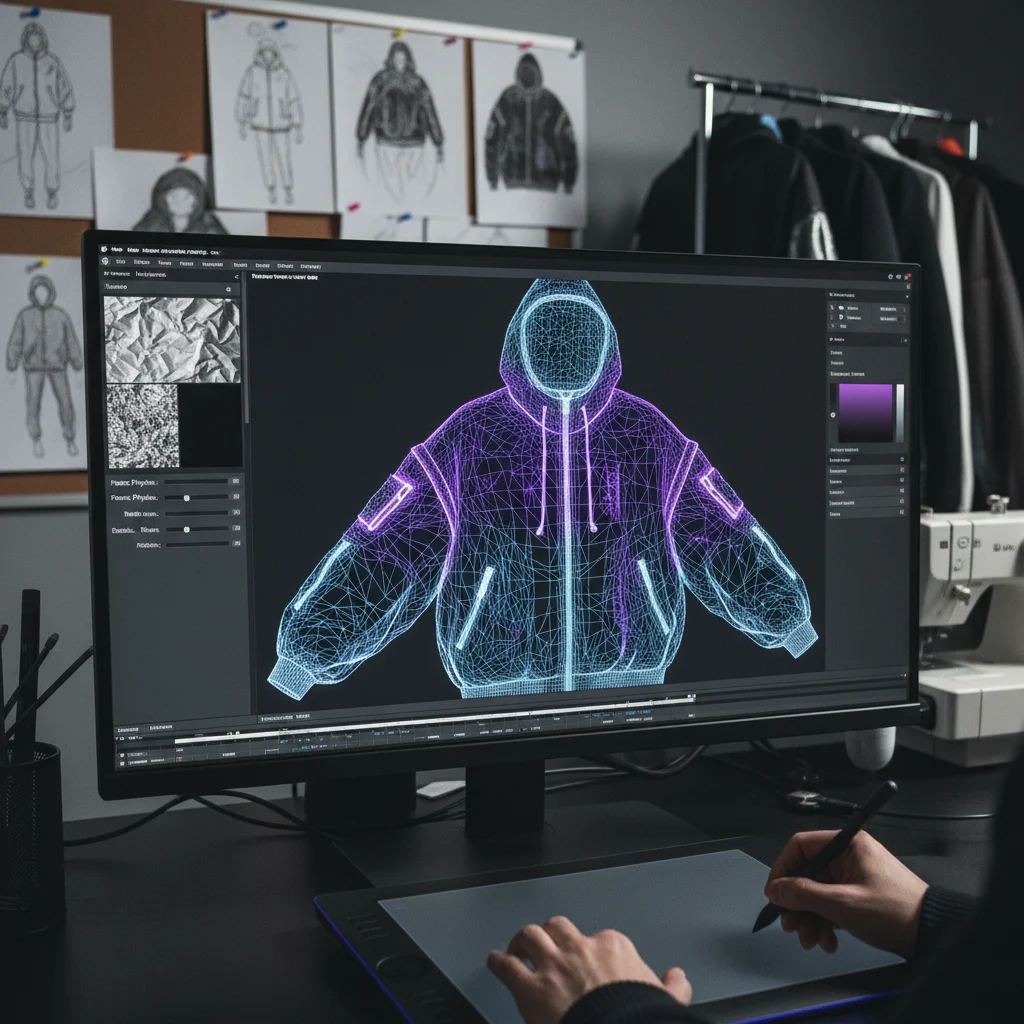
These tools allow creators to design realistic clothing that drapes, folds, and moves naturally during high-octane gameplay. Epic has spent months developing an automated rigging system. This tech ensures that a custom jacket or pair of trousers designed by an indie creator will automatically adapt to fit various character rigs without clipping or breaking the game’s visual rules.
How the Economy Shifts
The economic implications are massive. While Epic has not yet detailed the exact revenue split for every tier of Creator Wearables, the company has consistently pushed for creator-friendly margins in its other ventures, like the Epic Games Store. By allowing direct sales, Epic is creating a brand-new career path for digital 3D artists.
- Direct V-Bucks earnings for independent 3D artists and animators.
- A massive influx of diverse, community-driven cosmetic styles in the Item Shop.
- Lower barriers to entry for independent streetwear brands looking to enter the metaverse.
It also solves a content bottleneck for Epic. While the publisher has an incredibly talented internal art team, they can only produce so many skins a month. By crowdsourcing design to thousands of talented global creators, the Fortnite Item Shop can offer an almost infinite variety of styles, catering to niche subcultures that Epic’s main team might never have targeted.
When Can Players Buy Them?
Epic plans to roll out the Creator Wearables program in phases. Initially, access will likely be restricted to a select group of experienced UEFN creators and established digital fashion houses to test the pipeline and ensure content moderation systems are robust. Epic is understandably cautious about keeping the shop safe, family-friendly, and free of copyright infringement.
Over time, the program is expected to expand, letting more members of the public submit their designs. For players, it means the next time they log in to grab a new look, they might be supporting an independent artist rather than a multi-billion-dollar media franchise. It is a win for creators, a win for player expression, and a massive evolution for Fortnite as a platform.