The virtual dust is finally settling on one of the biggest gambles in Fortnite history. Two years ago, Epic Games made a quiet but revolutionary announcement: Battle Pass items would no longer remain locked away forever. Under a new policy, items could return to the Item Shop 18 months after their respective seasons ended.
Now, in late 2026, the first wave of those eligible skins has officially hit the store shelves. The move has sent shockwaves through the community, permanently altering how players value digital goods and dismantling a massive, shady underground economy.
The Death of the Black Market
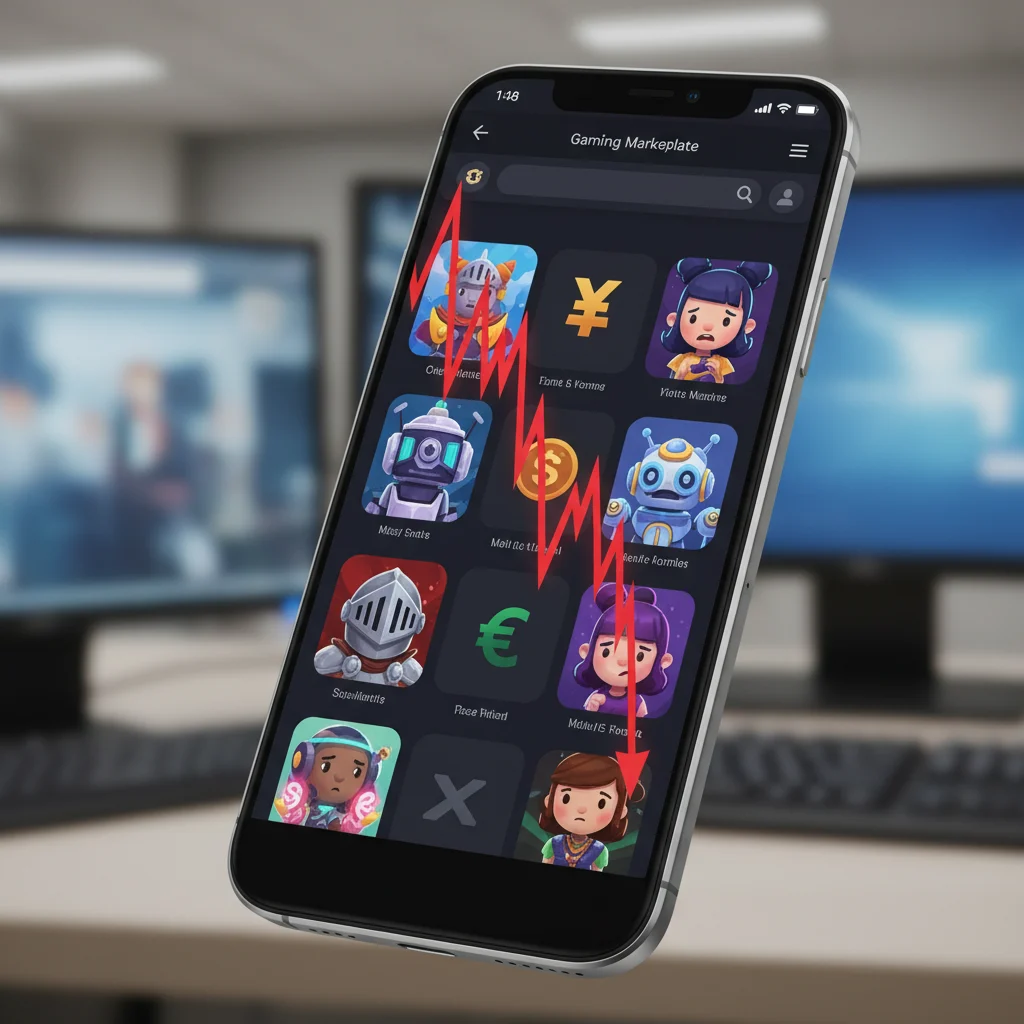
For years, Fortnite relied heavily on the fear of missing out. If you did not grind the Battle Pass in 2018 or 2022, you were out of luck. That artificial scarcity created a lucrative, albeit illicit, secondary market. Players spent hundreds, sometimes thousands of dollars on third-party websites to buy “stacked” accounts containing rare, long-gone cosmetic items.
That market is now in a freefall.
“The value of mid-tier accounts has absolutely cratered,” says Kevin Alvarez, a digital asset analyst who has tracked gaming black markets for five years. “An account that used to fetch $300 because it had a specific licensed Marvel skin or a unique original character from late 2024 is now worth maybe twenty bucks. Why risk a permanent ban buying a stolen account when you can just wait for Epic to put the skin in the shop for 1,500 V-Bucks?”
Democratizing the Cosmetics
The change has democratized the game’s cosmetic ecosystem. Players who took a break from the game, or young fans who only recently started playing, are thrilled. They can finally complete their collections without resorting to risky account-buying forums.
But not everyone is celebrating. Some veteran players feel their dedication has been devalued.
“I spent hours grinding those tiers back in the day,” says Chloe Chen, a competitive player since Chapter 2. “Part of the appeal was knowing you had something exclusive. When you saw someone in the lobby with an old skin, you knew they were a veteran. Now, anyone with a credit card can just buy it. It takes away the prestige.”
Epic Games reclaims the Revenue
Epic Games, however, is laughing all the way to the bank. By capturing the revenue that used to flow into the pockets of account sellers and scammers, the publisher has unlocked a massive new stream of direct income. The Item Shop in late 2026 has become a rotating museum of the game’s history, pulling in millions of V-Bucks from players eager to grab retro cosmetics.
To appease the purists, Epic has kept one crucial caveat: items from early seasons—the classic Chapter 1 and Chapter 2 eras—remain locked in the vault. The 18-month rule only applies to passes released after the policy change in late 2024. This has kept the value of ultra-rare accounts, like those with the original Renegade Raider or early John Wick skins, relatively stable.
Still, the cultural shift is undeniable. Fortnite’s economy has transitioned from one built on strict exclusivity to one focused on accessibility. The age of the high-stakes account trader is drawing to a close, replaced by an official store that never truly forgets the past.