

A New Era of Destruction on the Horizon
Fortnite isn’t the same game it was in 2017. Over the years, Epic Games has transformed its cartoonish shooter into a massive digital playground. Now, the battle royale is on the verge of its most radical evolution yet. Rumors are swirling around the upcoming launch of Chapter 7, and they point to a massive technological leap. According to industry insiders and dataminers, Epic plans to transition the game to Unreal Engine 6, introducing a complete physics overhaul that could change everything players know about building and combat.
The Death of Pre-Baked Destruction
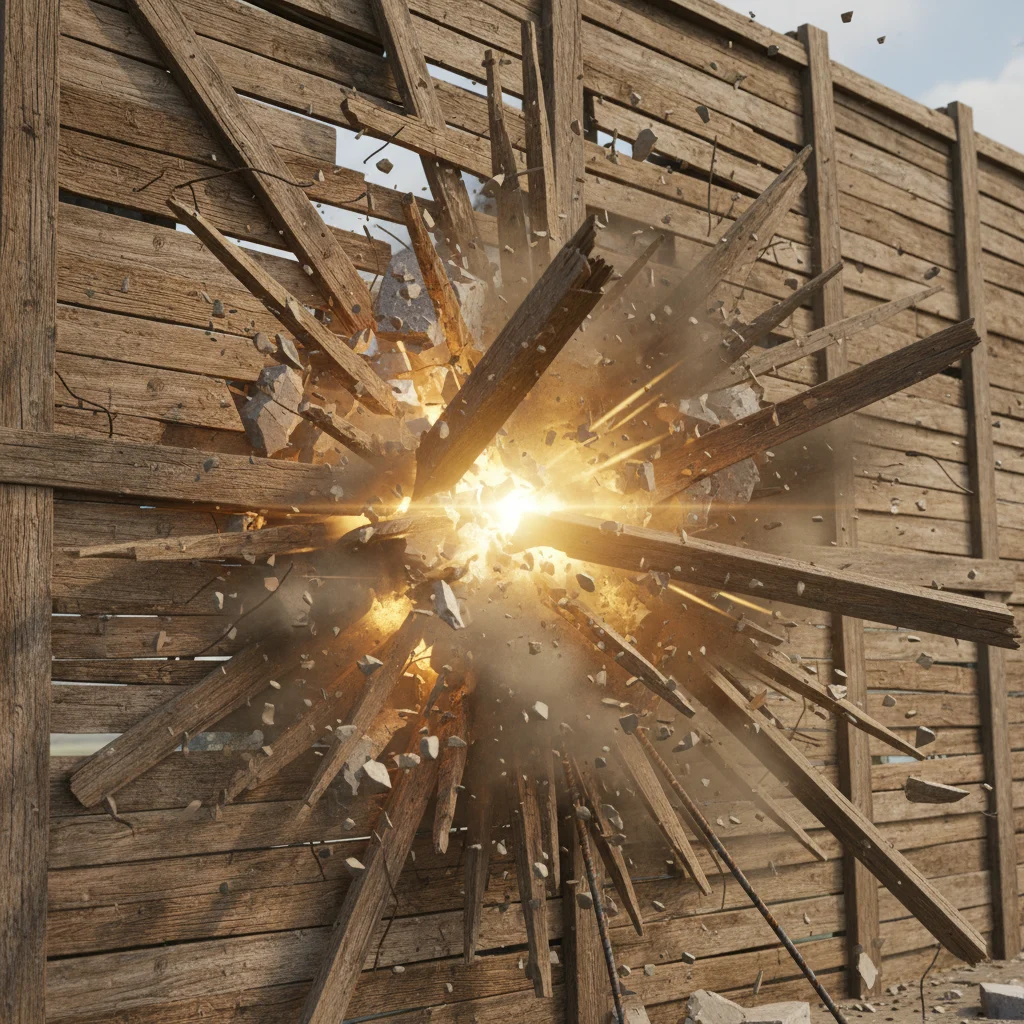
The headline feature of this rumored update is fully destructible environments. Right now, when you strike a wooden wall with a pickaxe or blast a brick building with a rocket, the structure reacts in a highly predictable way. The wall takes damage, flashes, and eventually disappears into a shower of generic splinters or dust. It is a system that has served the game well for nearly a decade, but it is fundamentally limited. It lacks realism.
Unreal Engine 6 aims to change that. Insiders suggest the new engine will introduce dynamic, real-time physics calculations. If you shoot a rocket at the corner of a building, only that specific corner will shatter. The rest of the structure will react dynamically to the loss of support. If you take out the load-bearing pillars of a player’s elaborate fort, the entire thing could come crashing down in a cascade of splintering wood and crumbling stone. Debris will not just vanish; it will scatter across the battlefield, creating new, temporary obstacles.
How Physics Will Redefine Gameplay
This is not just a visual upgrade. It is a gameplay revolution. Since its inception, Fortnite has been defined by its building mechanic. Players have spent years mastering rapid building techniques and editing walls in milliseconds to gain the high ground. Dynamic physics could throw a massive wrench into those strategies. A skybase would no longer float miraculously in the air if its single ground connection is severed. It would buckle under its own weight and collapse. Builders will have to think about gravity, balance, and structural integrity.
The Power of Unreal Engine 6
Behind the scenes, Epic Games has been laying the groundwork for this transition for a long time. Epic CEO Tim Sweeney has frequently spoken about his vision for Unreal Engine 6. He envisions it as the backbone of a vast, interconnected digital universe. To achieve this, the engine needs to handle massive numbers of players in highly complex, physics-driven environments without crashing servers. Using Fortnite Chapter 7 as a testing ground for these capabilities is a classic Epic move.
- Dynamic fire propagation that weakens structures over time
- Realistic water flow that floods lower levels of destroyed buildings
- Persistent environmental damage that remains throughout the match
A Community Divided
Naturally, the community is divided. Competitive players are already expressing concern. If building becomes unpredictable, the high-skill ceiling that defines Fortnite’s esports scene could shrink. Some fear that a single grenade could bring down an entire build fight because of realistic physics, potentially ruining the competitive integrity of the game. Casual players, however, seem thrilled by the prospect of chaotic, cinematic battles where entire towns can be leveled in the crossfire.
When can we expect to see this in action? Epic Games has not set an official release date for Chapter 7. Given the typical yearly cycle of Fortnite chapters, Chapter 6 is expected to carry the game through most of 2025. This puts the potential launch of Chapter 7—and the debut of Unreal Engine 6—sometime in late 2025 or early 2026. Until then, players will have to watch the skies, and the game files, for more clues. One thing is certain: the island will never be the same.
