Indian aviation authorities have rolled out an overhauled threat assessment framework to curb the chaos caused by malicious hoax threats against commercial airliners. The updated protocols follow another high-stakes emergency diversion involving an Air India Express flight, which was forced to execute an unscheduled landing after receiving an unverified bomb threat mid-air.
The incident is part of an unprecedented surge in false alarms targeting Indian carriers over recent months. In response, the Ministry of Civil Aviation (MoCA), working closely with the Bureau of Civil Aviation Security (BCAS) and law enforcement agencies, has tightened the operational guidelines governing how airport Threat Assessment Committees (TAC) evaluate incoming warnings.
The Air India Express Diversion and Immediate Aftermath
The latest disruption occurred when an Air India Express service received a digital bomb warning via social media while cruising at altitude. Flight crew immediately initiated standard emergency procedures, alerting air traffic controllers and requesting an emergency diversion to the nearest designated airport equipped with isolation facilities.
Emergency crews met the aircraft upon touchdown. Fire engines, explosive detection teams, and CISF security personnel quickly surrounded the plane on an isolated taxiway. All passengers and crew members evacuated safely, followed by hours of intensive luggage screening, cabin inspections, and cargo de-manifesting. Authorities confirmed the threat was entirely baseless.
While no one suffered physical injuries, the diversion triggered cascading delays across the carrier’s network, left hundreds of passengers stranded for hours, and burned tens of thousands of liters of jet fuel. It also renewed urgency inside the aviation ministry to solve a growing operational crisis.
Revising the Threat Assessment Matrix
Airport security panels have historically operated on extreme caution: any threat, regardless of origin, often led to immediate grounding, mid-flight diversions, or flight cancellations. Under the revised guidelines, Threat Assessment Committees will follow a more nuanced, multi-layered grading system before classifying a threat as ‘specific’ or actionable.
Key changes introduced in the new framework include:
- Real-time cyber profiling: Immediate digital forensics coordinated with cybercrime cells to evaluate the origin, IP footprint, and credibility of online accounts issuing threats before grounding aircraft.
- Standardized threat categorization: Clearer differentiation between generic digital spam, copycat social media posts, and credible operational risks.
- Streamlined passenger handling: Optimized screening protocols that reduce the time an aircraft must remain isolated when a threat is identified as a duplicate or low-credibility hoax.
- Inter-agency data sharing: Fast-tracked communications between airlines, state police, intelligence bureaus, and airport operators to cross-reference threats in real time.
Officials note that while passenger safety remains non-negotiable, the new system aims to eliminate knee-jerk diversions that play directly into the hands of perpetrators seeking maximum disruption.
The Mounting Cost of Hoax Threats
The financial and logistical toll on airlines has climbed sharply. Diverting a commercial airliner is an extraordinarily expensive event. Carriers incur heavy costs from landing and parking fees at unscheduled airports, unscheduled refueling, passenger accommodation, and replacement crew logistics due to flight duty time limitations (FDTL).
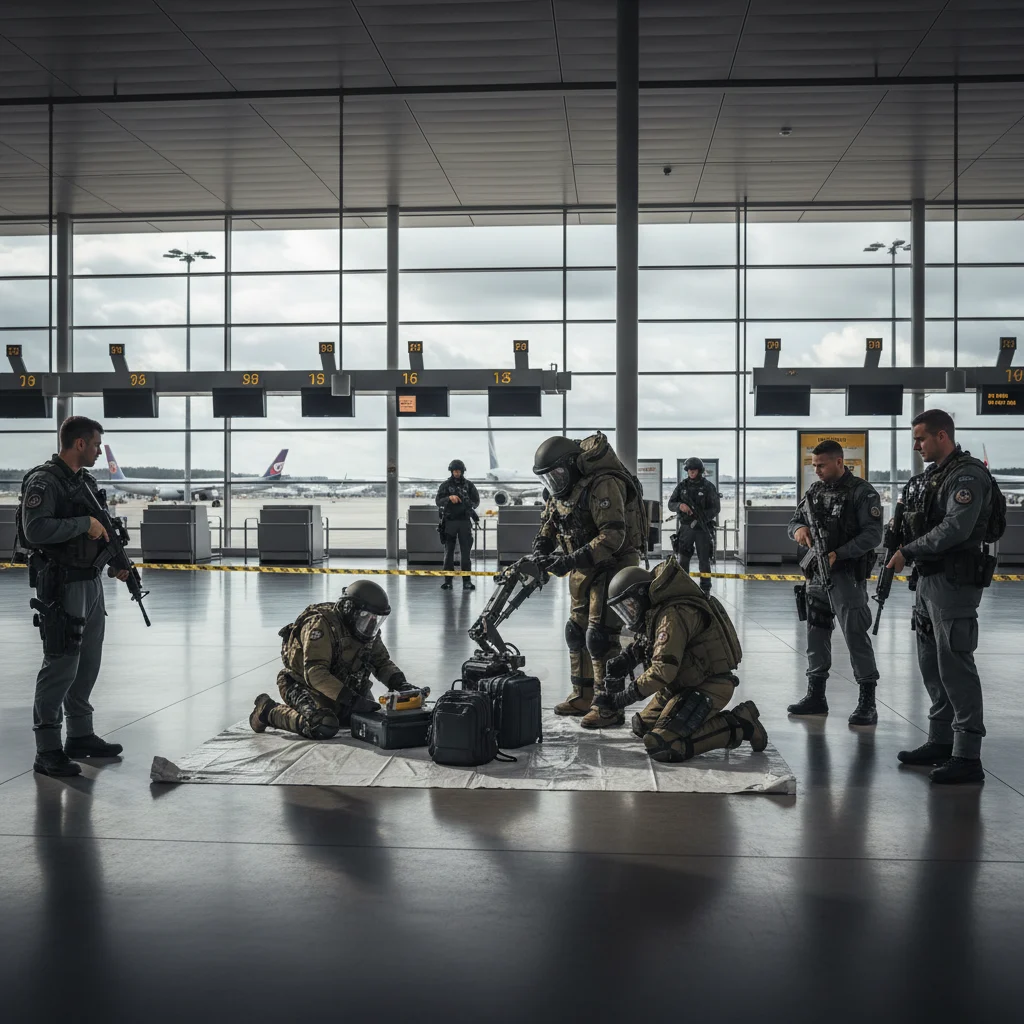
In some cases, international flights have been forced to dump large quantities of aviation turbine fuel over open waters to reach a safe landing weight. Ground operations at busy hubs like Delhi, Mumbai, and Bengaluru have also felt the strain, with bomb disposal squads working around the clock to clear aircraft parked in isolation bays.
Airline executives have voiced growing frustration over the operational gridlock, urging government regulators to balance safety vigilance with practical operational resilience.
Harsher Legal Penalties and Legislative Push
Alongside procedural updates at airports, the government is moving to impose severe legal consequences on individuals who originate or amplify false alarms. Proposals are underway to amend existing aviation security laws, making hoax threats a cognizable and non-bailable offense.
Under the proposed legal revisions, convicted perpetrators could face long prison sentences and substantial financial restitution penalties to cover the losses incurred by airlines and emergency services. The civil aviation ministry is also integrating these offenses into the national No-Fly List, ensuring that individuals caught issuing threats face automatic, long-term bans from commercial air travel across all domestic carriers.
Law enforcement agencies have already tracked and detained several individuals, including minors and disgruntled travelers, linked to recent threats. However, tracking accounts utilizing encrypted networks and foreign VPN services remains an ongoing challenge for investigators.
Next Steps for Airline Operations
Airlines have begun briefing their dispatchers, pilots, and station managers on the revised assessment matrix. While cockpit crews retain the final authority on passenger safety and diversion decisions during flights, the new ground-level coordination is expected to prevent unnecessary diversions before aircraft push back from boarding gates.
As international and domestic travel ramps up toward peak holiday seasons, Indian aviation authorities are determined to restore predictability to flight operations without compromising the safety standards that underpin the industry.