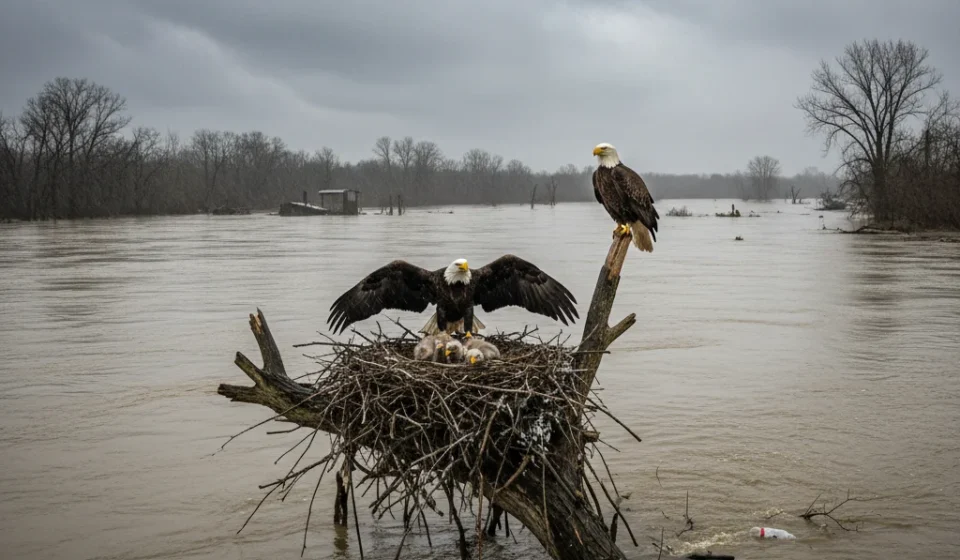

Along the banks of the Mississippi River, winter used to follow a strict, predictable script. Freezing winds from the north would lock the river in thick ice, forcing bald eagles to fly south in search of open water to hunt fish. But this year, that script has been thrown out entirely.
Unusually warm winter temperatures in early 2026 have disrupted the migration and nesting cycles of the nation's symbol. Wildlife biologists monitoring the Upper Mississippi River National Wildlife and Fish Refuge report that eagles are adapting to these changing conditions in ways that could threaten their reproductive success.
"The birds are reacting to what is in front of them, not the calendar," says Sarah Larson, a wildlife biologist who has spent fifteen years tracking raptors along the river flyway. "With less ice on the water, they don't need to travel as far south. Many are staying in Minnesota and Wisconsin all winter."
Open Water and Scattered Populations
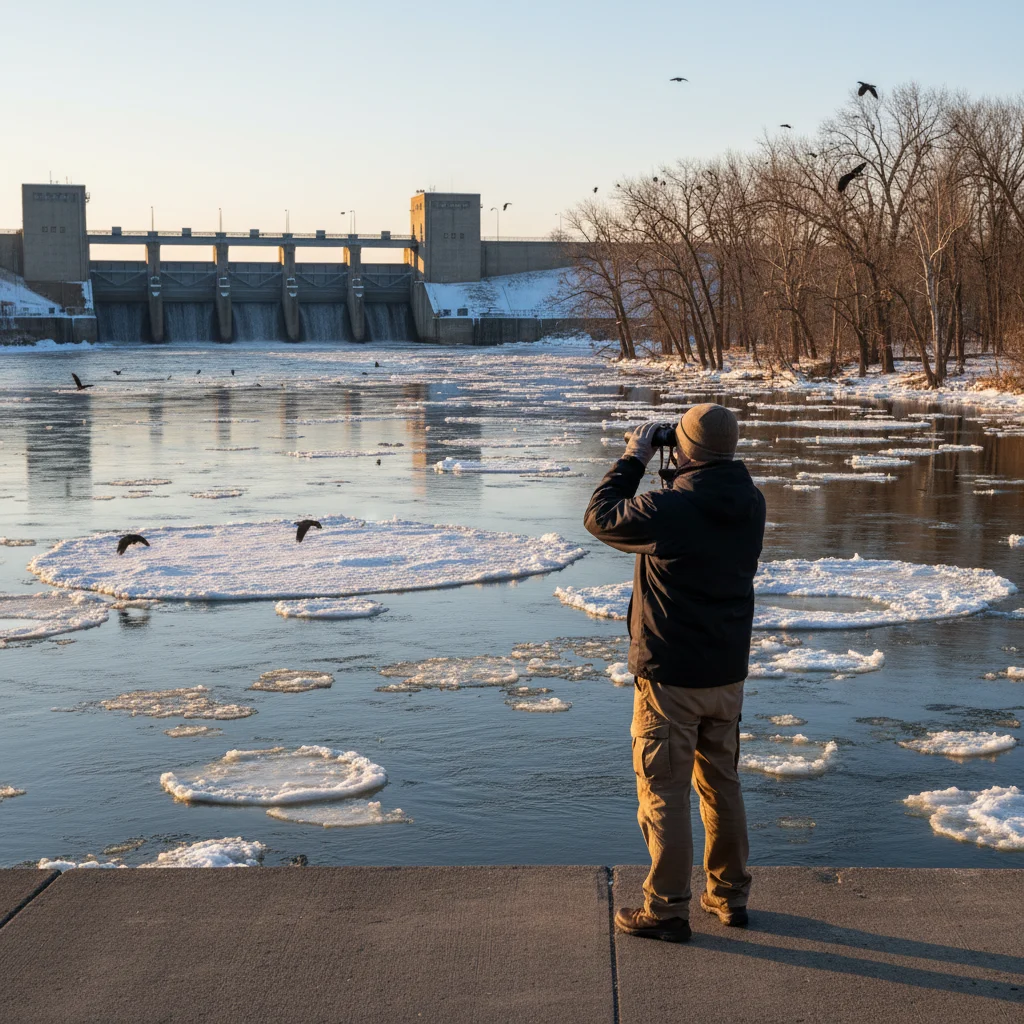
Normally, hundreds of eagles gather near locks and dams where turbulent water remains ice-free. These spots act as giant outdoor kitchens, offering an easy supply of stunned fish. This winter, however, the birds are scattered. Large sections of the river that usually freeze solid have remained wide open.
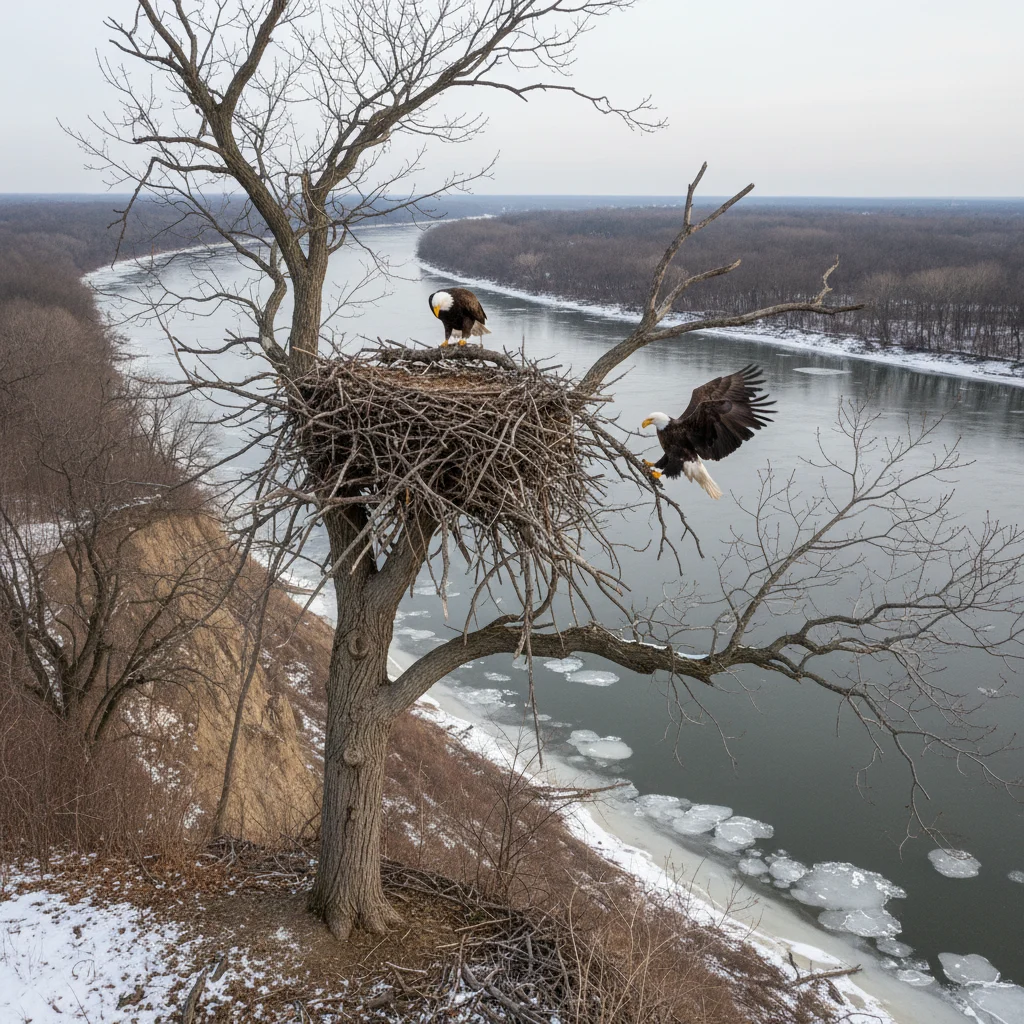
According to regional climate data, ice cover on the Upper Mississippi in January 2026 was roughly 40 percent below the long-term historical average. Because they do not have to expend energy flying hundreds of miles south, many eagles are starting their nesting season much earlier.
The Risks of an Early Start
In places like Red Wing, Minnesota, and Alma, Wisconsin, pairs have been spotted repairing their massive nests—some weighing up to a ton—as early as mid-January.
Dan Thompson, a volunteer nest monitor in southeastern Minnesota, noticed the shift firsthand.
- Nesting activity began in mid-January, weeks ahead of schedule.
- Egg incubation was observed by the first week of February.
- Historically, these activities did not peak until mid-to-late March.
"By the first week of February, we already had birds sitting on eggs," Thompson says. "Twenty years ago, you wouldn't see that until late February or even mid-March. It's a massive shift in their biological clock."
While an early start might seem beneficial, it comes with severe risks. The Midwestern climate remains highly unpredictable. While January and February might feel like spring, March can still bring brutal blizzards and sub-zero temperatures.
When an eagle lays eggs early, those eggs are vulnerable to these late-season freezes. If a parent bird has to leave the nest to hunt during a sudden snowstorm, the eggs can chill and fail to hatch within minutes. Furthermore, heavy, wet spring snow can weigh down tree branches, causing old, heavy nests to collapse entirely under the weight.
A Mismatch in the Food Chain
There is also the problem of feeding the new arrivals. The survival of newly hatched chicks depends entirely on timing.
"We are seeing a real mismatch in timing," Larson explains. "If the chicks hatch too early, they might emerge before the spring fish spawn. That is when food is easiest to catch. If the food supply isn't there when the hungry chicks need it most, the survival rate drops."
Local conservation groups are adjusting their management strategies to cope with these shifting timelines. For decades, state parks and federal wildlife refuges have closed certain hiking trails and climbing areas from March through summer to give nesting eagles privacy. Now, those closures are being pushed up to early February to prevent human disturbance during the critical early days of incubation.
Despite these challenges, experts note that bald eagles are incredibly resilient creatures. Their recovery from the brink of extinction in the late 20th century shows their ability to adapt to changing environments. But the rapid pace of current climate shifts is testing those limits. For people along the river, the sight of bald eagles is a point of pride. But as the river stays warm and the seasons blur, those traditions are changing. The majestic birds are writing their own survival guide, one warm winter at a time.