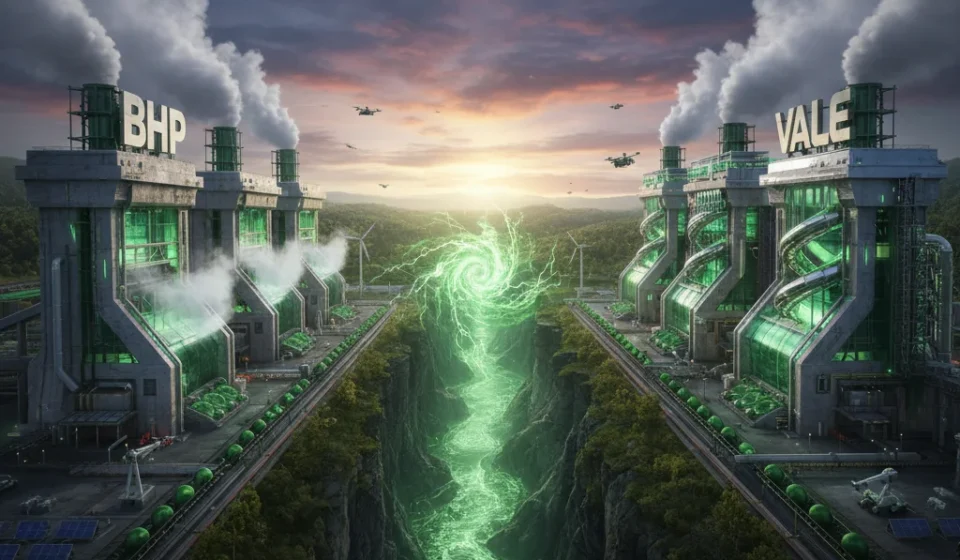

The Race to Decarbonize Steel
Steel is the backbone of the modern world, but it comes with a massive environmental cost. The industry is responsible for roughly 8% of global carbon emissions, mostly because traditional blast furnaces rely heavily on coking coal. To clean up their operations, global steelmakers are looking to transition to Direct Reduced Iron (DRI) technology. DRI plants swap coal for natural gas or green hydrogen, drastically cutting carbon output.
But there is a catch. DRI plants are incredibly picky eaters. They require ultra-high-grade iron ore with very low impurities to run efficiently. This technical hurdle has ignited a fierce, multi-billion-dollar battle between the world’s two largest mining giants: Australia’s BHP and Brazil’s Vale. Each company is taking a radically different path to win the green iron crown.
Vale’s Geological Advantage
When it comes to pure geology, Brazil’s Vale holds the winning hand. The company’s flagship Carajás mining complex in northern Brazil produces some of the richest iron ore in the world, boasting an iron content that regularly exceeds 67%. This high purity is ideal for direct reduction without the need for complex processing.
Vale is moving quickly to capitalize on its geological luck. The miner has developed proprietary “green briquettes”—agglomerates of high-grade iron ore that can be fed directly into DRI plants. They are investing heavily in these processing facilities, targeting millions of tons of output over the coming decade.
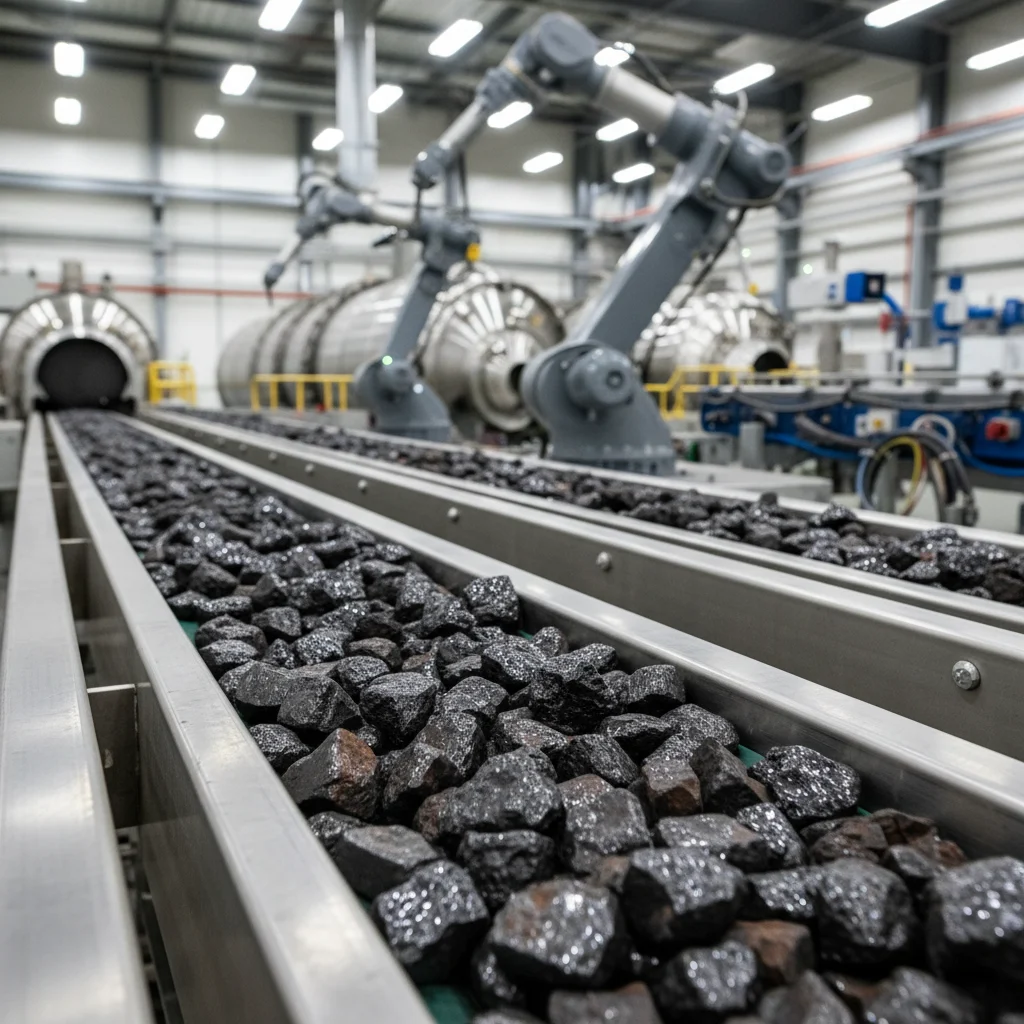
To get closer to its customers, Vale is establishing “mega-hubs” in the Middle East, including Oman, Saudi Arabia, and the UAE. These hubs will process the high-grade Brazilian ore using local natural gas to produce hot briquetted iron (HBI), a low-carbon feedstock that can be shipped directly to steelmakers. It is a bold, high-capital strategy designed to secure Vale’s dominance in the premium green market.
BHP’s Technological Gamble
BHP faces a very different physical reality. The miner’s heartland is the Pilbara region of Western Australia. While the Pilbara is a powerhouse of volume, its hematite reserves average around 61% to 62% iron content. Crucially, this ore contains higher levels of silica and alumina—impurities that can clog traditional DRI furnaces.
Best CPA Marketing Course – Nogor Web Bangladesh
BHP cannot change the geology of Western Australia. Instead, it is trying to change how steel is made. The Australian giant is betting on technology rather than raw ore purity. BHP’s Chief Commercial Officer Ragnar Udd has noted that the company is actively focusing on finding pathways to make Pilbara ore compatible with low-emission steelmaking.
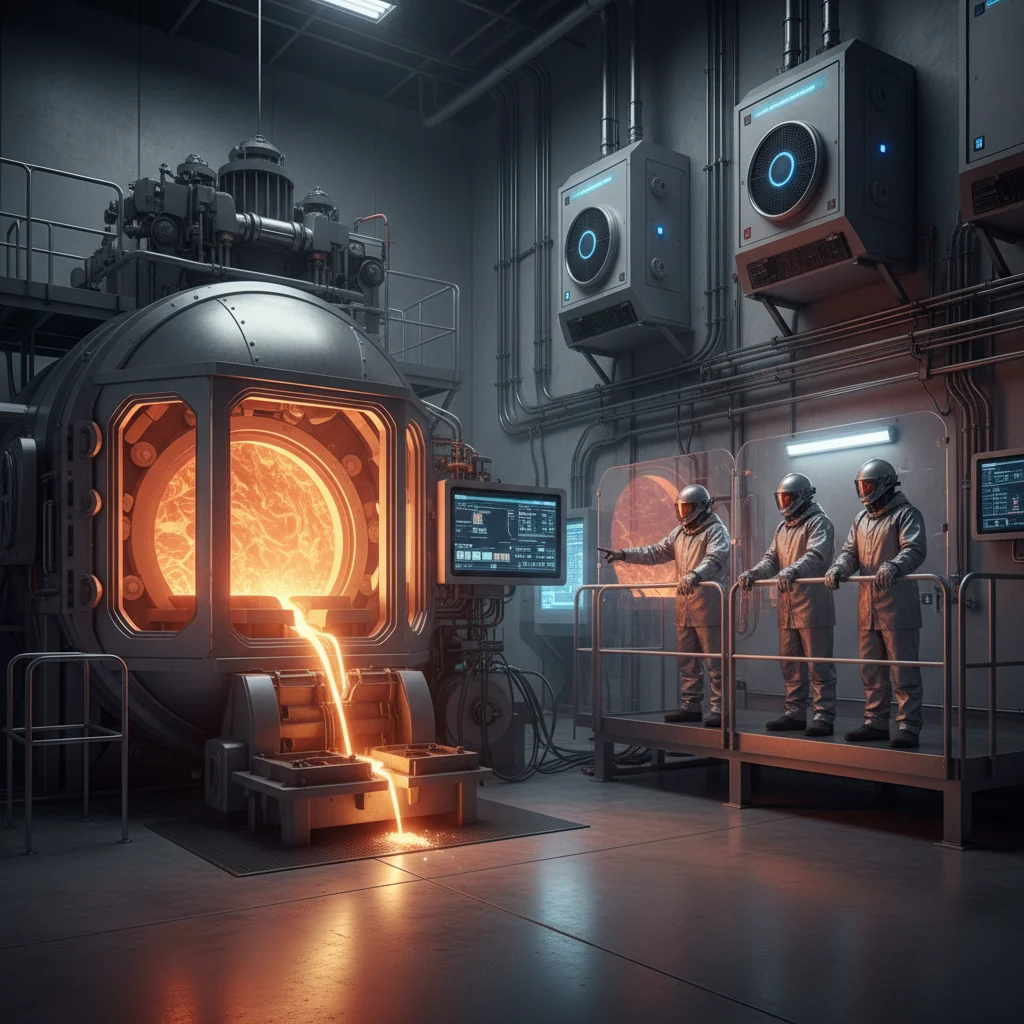
To achieve this, BHP has partnered with rival Rio Tinto and engineering firm Hatch to design a pilot Electric Smelting Furnace (ESF). This furnace acts as a chemical bridge. It allows steelmakers to feed lower-grade Pilbara ore into a direct reduction system, using electricity to melt the iron and separate the impurities before the metal is turned into steel. If the pilot is successful, it will safeguard the future of Australia’s massive iron ore export industry.
Logistics vs. Grade
The battle is not just about technology; it is also about geography. Australia has a massive spatial advantage. Its mines are much closer to the world’s biggest steelmaking nations, including China, Japan, and South Korea. This proximity translates to lower shipping costs and fewer transport-related emissions.
Vale, meanwhile, must ship its ore across oceans from South America to Asia, a journey that adds both cost and carbon. The Brazilian company hopes that the superior quality of its product will justify the premium and cover the extra shipping costs. BHP is counting on its lower shipping costs to offset the expense of developing and deploying new smelting technologies.
A Decisive Decade Ahead
The stakes could not be higher for both companies. The decisions made today will shape the global commodities trade for the next fifty years. Here is how the two giants stack up:
- Vale: Betting on high-grade reserves, green briquettes, and Middle Eastern processing hubs.
- BHP: Betting on engineering breakthroughs, electric smelting, and its proximity to major Asian markets.
If steelmakers successfully transition to green hydrogen, demand for premium high-grade ore will skyrocket, giving Vale a massive head start. But if BHP’s electric smelting technology proves viable at scale, it could keep Australia at the top of the global heap. The race to clean up one of the world’s dirtiest industries is officially on, and the winner will dictate the future of heavy industry.