
Aviation security agencies and cyber crime units have launched a coordinated effort to trace the digital origins of a recent hoax bomb threat aimed at an Air India Express regional flight. The incident, which triggered emergency ground responses and delayed travel schedules, has led authorities to impose stricter pre-flight screening protocols at airports across the network.
The threat was delivered through an anonymous message posted on social media platforms, alleging that an explosive device was hidden on board the regional aircraft. In accordance with standard operating procedures, air traffic controllers immediately notified the Bomb Threat Assessment Committee (BTAC). The committee categorized the alert as specific, prompting an immediate diversion and isolation of the aircraft upon landing.
Rapid Emergency Response and Aircraft Screening
Airport emergency units acted swiftly. As soon as the plane touched down, ground teams guided it to an isolated bay away from the main terminal and active taxiways. Passengers and crew members were evacuated through mobile staircases while security personnel cordoned off the entire perimeter.
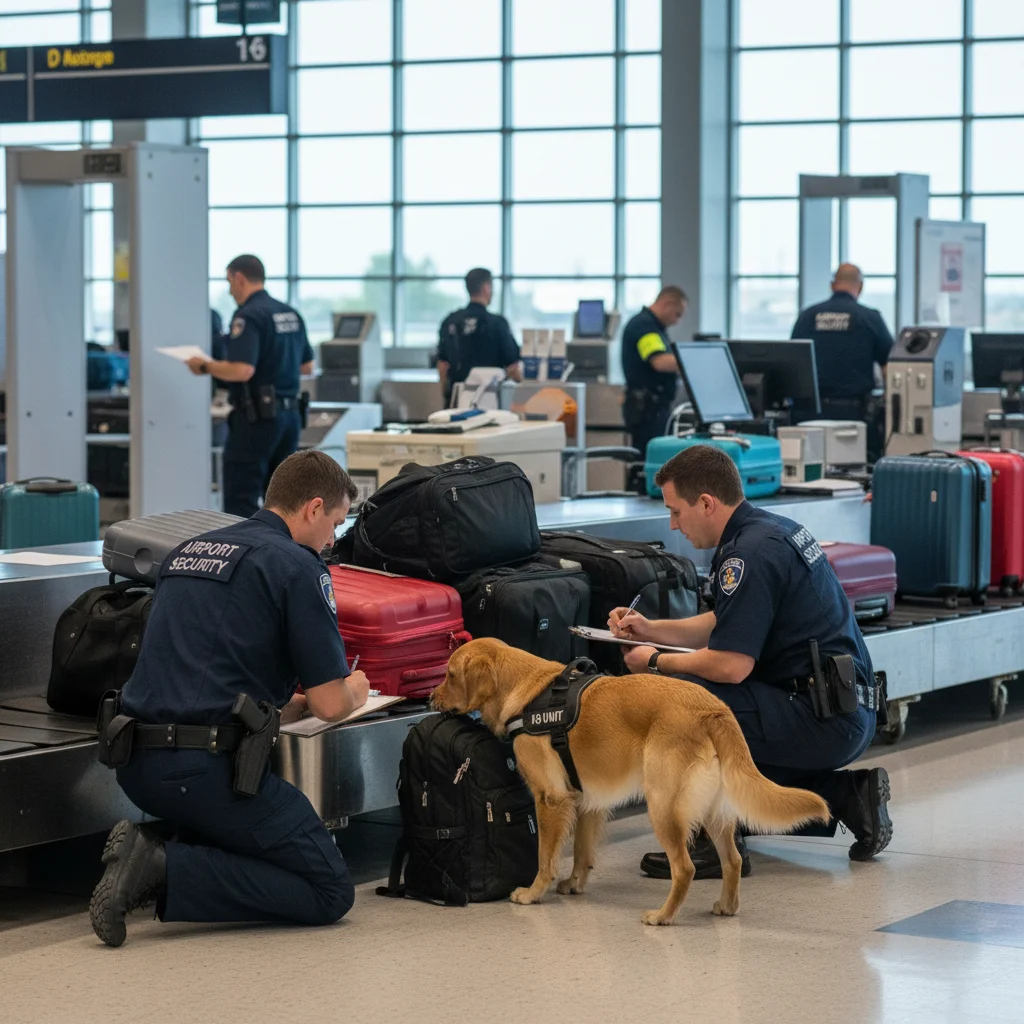
Teams from the Central Industrial Security Force (CISF), alongside local police bomb disposal squads and canine units, conducted an exhaustive search of the aircraft. Specialists combed the passenger cabin, flight deck, cargo holds, and avionics bays. Technicians inspected every piece of checked and hand luggage using secondary X-ray scanners and explosive trace detectors. After several hours of rigorous checks, officials declared the alert a hoax, finding no hazardous materials on board.
While safety was never physically compromised, the false alarm caused significant disruption. Crew members exceeded their mandated duty limits due to the hours spent on the ground, requiring the carrier to bring in backup personnel to operate subsequent sectors. Passengers experienced long delays while waiting for their baggage to clear secondary security sweeps.
Tracking the Digital Footprint
Cyber investigators are now working to identify the sender behind the threat. Investigators are analyzing metadata, IP addresses, and routing information associated with the account used to post the message. Initial findings suggest the perpetrator used virtual private networks (VPNs) and temporary email addresses in an attempt to mask their physical location.
Authorities have formally reached out to the relevant social media platform operators, seeking urgent assistance under cyber cooperation frameworks to obtain log files, registration data, and device identifiers. Cyber forensics teams note that while perpetrators often attempt to conceal their trails through proxy servers, residual digital footprints almost always remain.
A senior security official confirmed that investigators are exploring whether this incident is linked to a broader wave of automated and copycat threat messages that have targeted domestic and international carriers over recent months. In several past instances, teenage pranksters and disgruntled individuals were tracked down within days despite attempting to disguise their online activities.
New Security Mandates for Regional Flights
In the wake of the latest scare, the Bureau of Civil Aviation Security (BCAS) issued revised directives instructing airport operators and airlines to step up vigilance. The measures focus heavily on preemptive checks and tighter monitoring of ground handling operations.
Key measures now in effect include:
- Mandatory Secondary Ladder Point Checking (SLPC) for flights flagged under elevated threat categories.
- Increased random physical inspections of hand baggage right at boarding gates.
- Intensified surveillance across apron zones, baggage make-up areas, and catering supply chains.
- Deployment of plainclothes security personnel inside airport terminals and departure lounges.
- Heightened digital monitoring of open-source intelligence and social media channels to catch threat posts before takeoff.
Airlines have also been instructed to tighten passenger profiling algorithms at check-in desks and reinforce protocols for handling unruly or suspicious behavior on board.
Legal Consequences and Policy Reforms
Civil aviation authorities and law enforcement officials have reiterated that hoax threats are serious offenses with severe legal repercussions. Under current legislation, individuals caught making false bomb threats face non-bailable charges under anti-terror and aviation safety statutes, including the Suppression of Unlawful Acts against Safety of Civil Aviation Act.
The Ministry of Civil Aviation is actively pursuing legislative amendments to introduce even harsher penalties. Proposed changes include automatic placement of hoax perpetrators on the national No-Fly List for a minimum period of five years, alongside provisions enabling airlines to recover operational losses through civil litigation.
A false alarm costs airlines and airport authorities tens of thousands of dollars in wasted fuel, ground handling charges, passenger accommodations, and security redeployments. Officials emphasize that treating these threats as harmless pranks ignores the massive economic and psychological toll they inflict on travelers and crew.
Impact on Travelers
With heightened security checks in place, airlines are advising passengers traveling on domestic and regional routes to arrive at airports earlier than usual. Longer queues are expected at security checkpoints, especially during peak morning and evening departure banks.
Air India Express affirmed its commitment to safety, stating that the carrier will continue to cooperate fully with regulatory agencies and security forces. Airline representatives noted that while security drills may cause temporary inconveniences, passenger safety remains the non-negotiable priority across all operations.
Aviation security analysts believe that sustained enforcement, combined with rapid arrests and public prosecutions, will serve as the most effective deterrent against the recurring problem of hoax threats.
