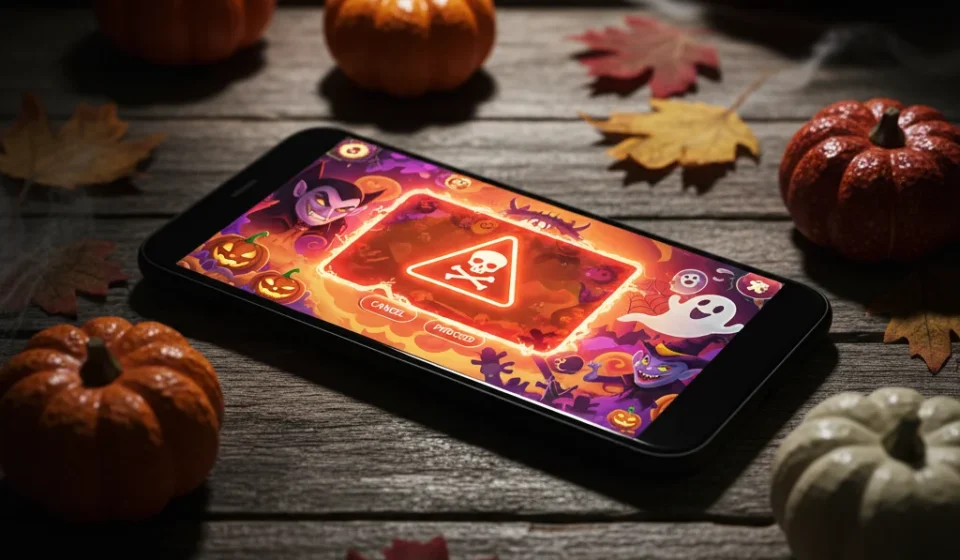

The October Trap: Cybercriminals Target Mobile Gamers
If you play Coin Master, you know the constant itch for more spins. Building villages and attacking rivals gets expensive fast. But as October’s Halloween events approach, security analysts in the US are raising the red flag. A sophisticated network of phishing scams is currently sweeping through social media, dangling free coins to bait unsuspecting players.
It is a classic trap, but with a highly modern twist. Hackers are capitalizing on the pre-holiday excitement to steal personal data and take over accounts.
Why Coin Master Players Are Easy Targets
Coin Master relies heavily on a daily reward system. The game’s developer, Moon Active, regularly posts legitimate links on official social channels that players can click to claim free spins. Scammers know this. They have set up fake pages that look identical to the official ones.
“The clever part of this scam is that it mimics a real user habit,” says Marcus Vance, a senior mobile threat researcher based in California. “Gamers are already trained to click external links for rewards. When a link pops up promising 50,000 free spins for Halloween, many players click first and ask questions later.”
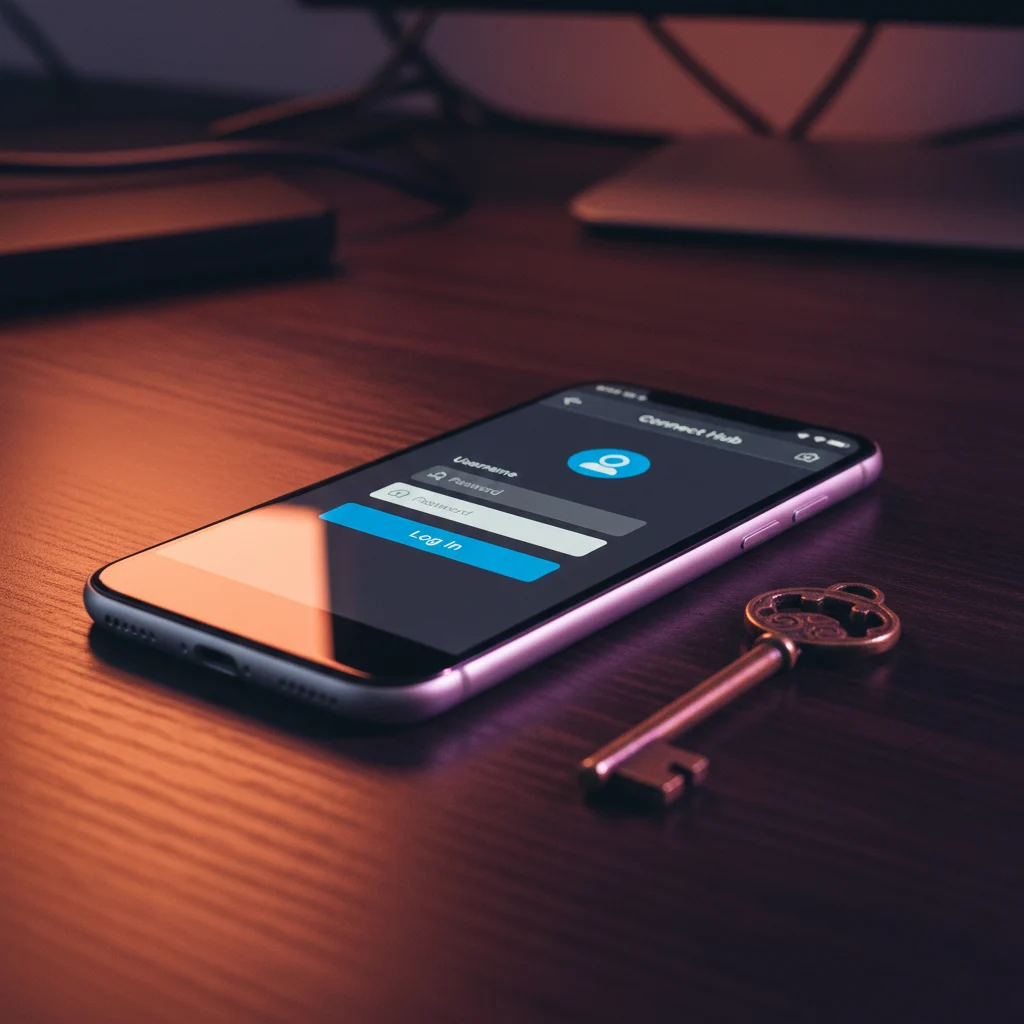
Once a player bites, they are redirected to a cloned portal. Here, they are asked to log in using their Facebook credentials to “sync” the rewards. The moment they type in their username and password, the scammers have full control over their Facebook account. From there, the damage can spread to personal chats, linked bank cards, and other connected apps.
The Halloween Surge
October is always a massive month for mobile gaming. Halloween-themed limited-time events offer rare cards and massive jackpots. Players feel the pressure of the clock ticking. They want to finish their virtual villages before the event ends. This intense fear of missing out, or FOMO, is exactly what cybercriminals exploit.
Security firms have observed a sharp spike in suspicious domain registrations containing words like “coinmaster-halloween,” “free-spins-october,” and “moonactive-rewards.” Many of these sites also try to push malicious apps or unwanted surveys onto the user’s device under the guise of “human verification.”
The Aftermath of a Hacked Account
Getting locked out of your game progress is frustrating, but the fallout of a Facebook hack goes much deeper. Cybercriminals do not just want your virtual village. They want your identity. Once they gain access to a profile, they often use it to message friends and family, asking for urgent financial help or spreading the phishing link further.
In worse-case scenarios, hackers look for saved credit cards in the Facebook Pay settings. Because Coin Master appeals to a broad demographic, including older adults and younger kids, victims are often less familiar with recovery procedures. This makes it easier for scammers to hold accounts hostage or sell them on the dark web.
How to Protect Your Account
Staying safe does not mean you have to stop playing. It just means playing smarter. Security experts recommend a few simple rules to keep your data secure:
- Verify the source: Only trust links posted on official verified accounts. Look for the blue checkmark on Facebook, X, and Instagram.
- Check the URL: Before typing any login details, check the browser address bar. Official links will never redirect you to third-party domains to log into Facebook.
- Enable Two-Factor Authentication (2FA): Turn this on for your Facebook account. Even if a scammer gets your password, they cannot log in without the second code.
- Never pay for freebies: If a site asks for a “processing fee” or a small payment to unlock spins, shut the tab immediately.
Moon Active has repeatedly stated they will never ask for your password to give you rewards. As the spooky season gets underway, keep your wits about you. A few free virtual coins are never worth losing your real-world digital identity.