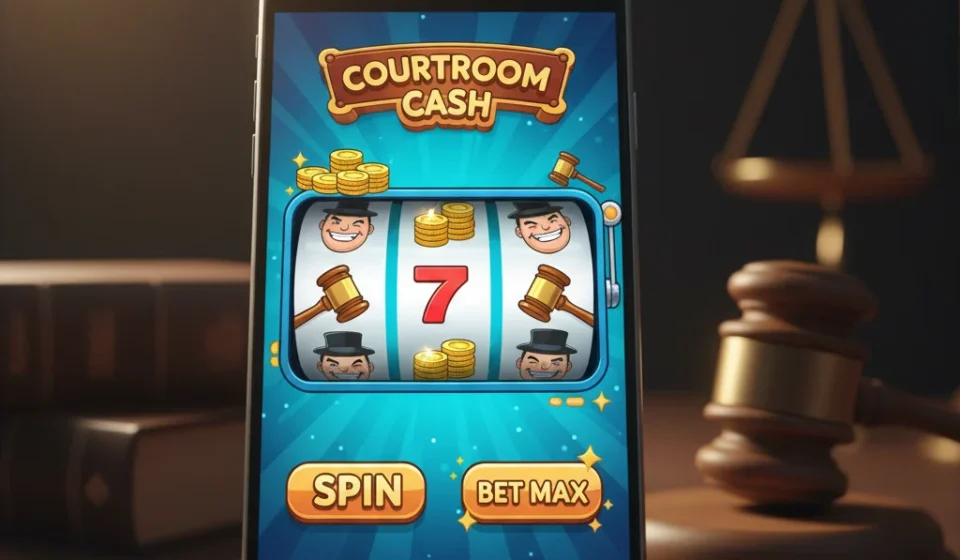

Federal Court Greenlights Class Action Over Coin Master Pricing
Coin Master is one of the most profitable mobile games on the planet. But its developer, Moon Active, is now facing a major legal battle over how it gets players to open their wallets. A federal judge in California has officially cleared the way for a class-action lawsuit that accuses the Israeli game studio of using deceptive “strike-through” pricing to sell virtual spin bundles.
The ruling is a significant blow to Moon Active. The company had argued that the lawsuit should be thrown out entirely, claiming players got exactly what they paid for. U.S. District Judge Jacqueline Scott Corley disagreed. In a detailed order, the judge ruled that the plaintiffs had presented plausible claims that the game’s marketing tricks violate California’s consumer protection laws.
The Anatomy of a Spin
To understand the lawsuit, you have to understand how Coin Master works. The game is incredibly simple. Players spin a virtual slot machine to win coins, attack other players’ bases, and build up their own cartoon villages. It is addictive by design. But there is a catch. Players only get a limited number of free spins every hour. Once those run out, the progress stops—unless they are willing to wait, or pay real money for more spins.
This is where Moon Active’s marketing comes in, according to the complaint. The game constantly bombards players with “limited-time” offers. These promotions often feature a high price crossed out with a red line, placed right next to a much lower “sale” price. For example, a player might see a pack of spins advertised for $2.99, down from an original price of $9.99.
The plaintiffs allege these discounts are a total illusion. The lawsuit claims that the “original” prices are completely fabricated and that Moon Active has never actually sold those spin bundles at the higher prices. Instead, the crossed-out numbers are allegedly used solely to create a false sense of urgency and a misleading perception of value.
The Legal Battle Over Virtual Value
In its push to dismiss the case, Moon Active relied on a common defense used by mobile game publishers. The company argued that because players received the exact number of virtual spins they purchased, no real harm was done. They argued that virtual currency has no real-world value, and therefore, players cannot claim they suffered a financial loss.

Judge Corley was not convinced by this logic. The court noted that under California law, consumers can suffer an economic injury if they are tricked into buying something they otherwise would not have purchased, or if they paid more than they would have without the deceptive advertising. If a player buys a spin bundle because they think they are getting a 70% discount, but the discount is fake, that constitutes a plausible injury.
The ruling allows the plaintiffs to proceed with claims under California’s Unfair Competition Law, False Advertising Law, and Consumers Legal Remedies Act. It marks a major milestone for the plaintiffs, who are seeking both damages and an injunction to force Moon Active to change its pricing practices.
A Growing Headache for Mobile Publishers
The legal pressure on Moon Active is part of a much larger trend. For years, the mobile gaming industry operated with very little regulatory oversight. Developers pioneered aggressive monetization strategies, using psychological triggers to keep players spending. These tactics are often referred to as “dark patterns.”
But the tide is turning. Regulators and class-action lawyers are increasingly targeting these virtual marketplaces. Games like Fortnite, Clash of Clans, and various casino simulators have faced similar legal challenges over deceptive pricing, loot boxes, and predatory design. The Coin Master lawsuit is just the latest sign that courts are willing to hold developers accountable for how they sell digital goods.
Now that the motion to dismiss has been denied, the lawsuit moves into the discovery phase. This is where things could get uncomfortable for Moon Active. The plaintiffs’ attorneys will now have access to internal company communications, marketing strategies, and pricing data. They will look to prove exactly how Moon Active decided on those strike-through prices, and whether the company knew it was misleading its massive player base.
For Coin Master players, the case could eventually result in payouts or changes to how the game offers microtransactions. For the wider gaming industry, it serves as another warning: virtual goods are still subject to real-world laws.