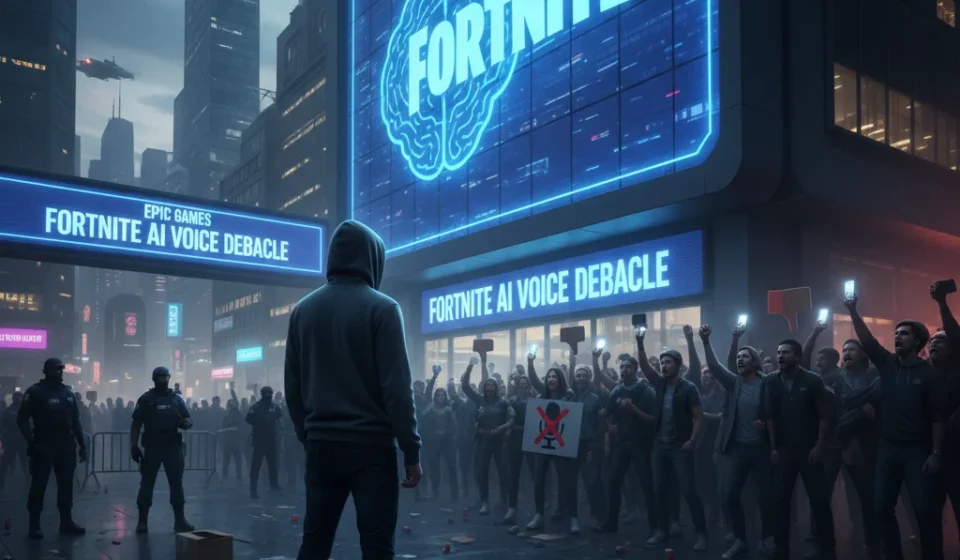

Epic Games is facing a wave of criticism from voice actors and video game creators alike. Just weeks before the launch of the highly anticipated Fortnitemares 2026 event, the studio introduced a new generative AI text-to-speech feature inside Fortnite Creative. The update, designed to help map builders generate instant voiceovers, has instead reopened a massive industry debate over ethics, compensation, and the future of human performance.
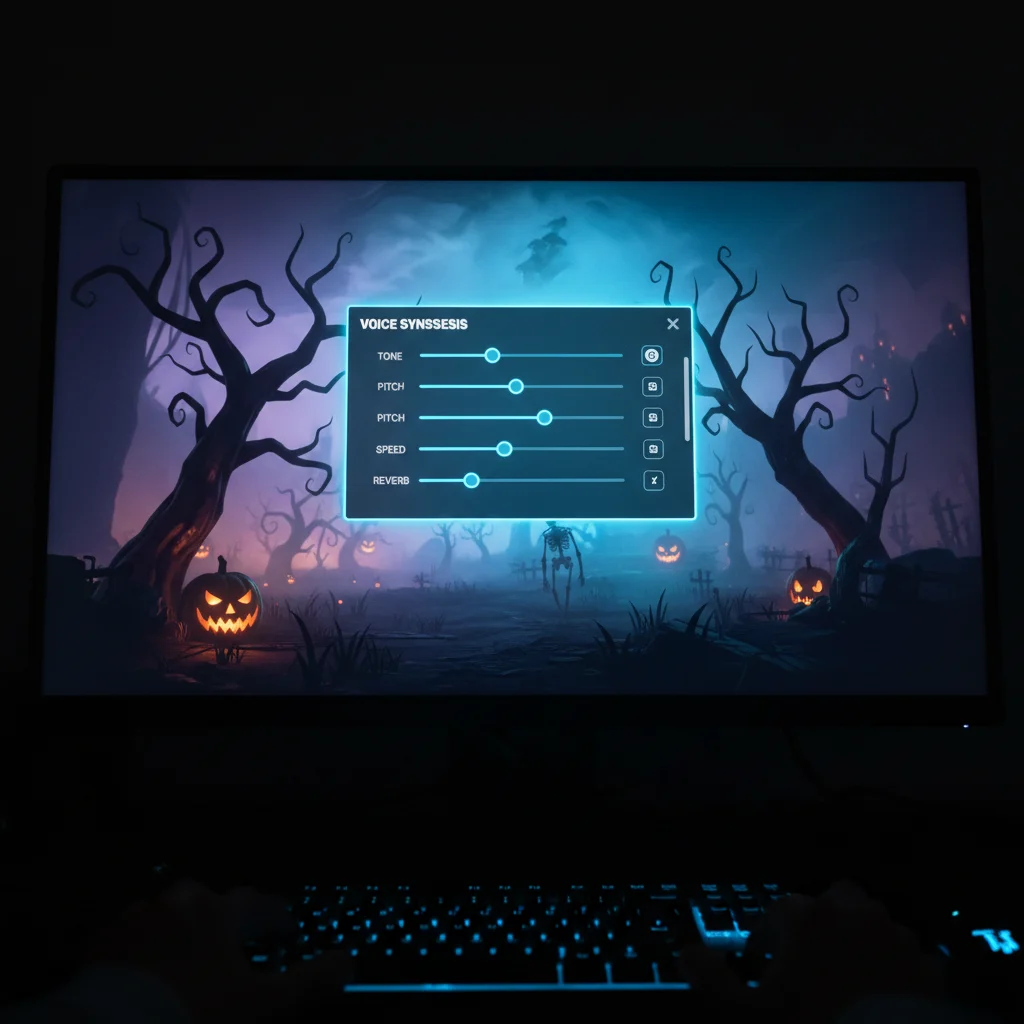
The new tools are integrated directly into the Unreal Editor for Fortnite (UEFN). With them, creators can type out lines of dialogue and select from a library of synthetic voices to narrate their custom islands. Epic pitched the update as a breakthrough for small-scale developers. It gives those without a budget the chance to create cinematic, fully voiced experiences.
But the voice acting community sees it as a direct threat.
A Threat to Human Artistry
"It’s a kick in the teeth, honestly," says Marcus Vance, an indie voice actor who has worked on several popular custom Fortnite maps. "We used to get hired by these creators to do horror voices, grunts, and narrator roles for Fortnitemares. Now, Epic is giving them a free tool to bypass us entirely. It feels like we’re being erased from the ecosystem."
The timing of the release has only made matters worse. Fortnitemares is Fortnite’s biggest seasonal event, drawing millions of players to both official and community-made maps. Because Epic pays creators based on player engagement through its payout system, top map makers can earn serious money. Voice actors argue that if creators are making thousands of dollars from these maps, they should be investing some of that back into human talent.
Epic Games defended the system, stating that all voices in the library were built using ethically sourced data. According to the company, the actors who provided the base training data were fully compensated and consented to the project. Epic also emphasized that the tools are entirely optional. They are meant to replace silent text boxes on screen, not to displace professional voice casts in high-budget projects.
Indie Creators React
Despite those assurances, many prominent map creators are refusing to use the new feature.
"I won’t be using the AI voices for my upcoming Halloween map," says Chloe Zhang, a popular level designer who has worked on official Epic partnerships. "There is an uncanny valley effect with AI speech. In a horror game, tension is everything. If the scream sounds artificial, the fear is gone. Human actors bring a level of unpredictability you just can’t replicate with a slider bar."
The backlash comes at a highly sensitive time for the industry. SAG-AFTRA, the actors’ union, has been fighting a prolonged battle with major video game publishers over the unregulated use of AI voices. While Epic Games is not a direct target of the current strike actions, this new update puts them squarely in the crosshairs of the broader labor dispute.
Critics argue that tools like this slowly normalize the absence of human actors. Over time, players may become accustomed to flat, synthetic voices, lowering the bar for what is considered acceptable quality in independent games.
- Many voice actors fear long-term job loss as tools improve.
- Creators worry about a drop in overall game quality and emotional depth.
- Legal questions persist regarding how training datasets are maintained.
"This isn’t about helping small creators," Vance adds. "It’s about cutting corners. If you can’t afford an actor, there are plenty of creative ways to tell a story without using stolen-sounding voices. Epic has the money to support creators and actors. Instead, they chose this."
With Fortnitemares 2026 just around the corner, players will soon see how widely these tools are adopted. If the community reaction is any indication, maps featuring AI voices may face a chilly reception from players who prefer a human touch.