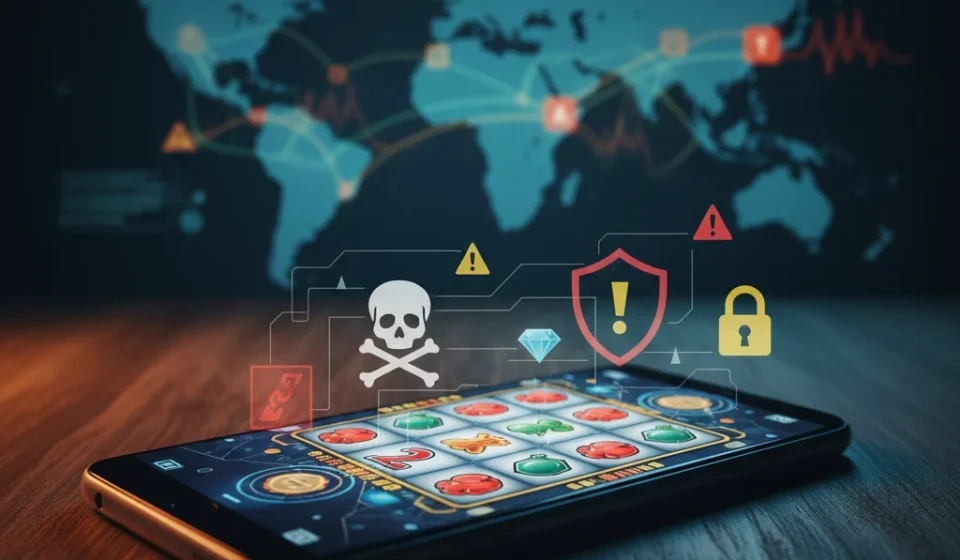

Federal Agencies Warn Coin Master Players of Spreading Malware Scams
Federal cybersecurity watchdogs have issued a joint alert targeting one of America’s most popular mobile pastimes. The Cybersecurity and Infrastructure Security Agency (CISA) and the FBI released a joint advisory warning Coin Master players about a massive surge in fraudulent “free spin” generator links. These malicious campaigns, which have spiked dramatically in autumn 2026, are designed to compromise smartphones and drain players’ bank accounts.
Coin Master, developed by Moon Active, has long been a global powerhouse in mobile gaming. The game relies heavily on a slot-machine mechanic where players spin to win coins, shield their villages, or raid rivals. Because these daily spins are limited, a thriving gray market of “free spin” links has existed for years. Now, state-sponsored actors and cybercriminals are exploiting this exact demand to deploy dangerous malware across the United States.
How the Autumn 2026 Scam Works
The current threat campaign is highly sophisticated. Scammers are flooding social media platforms like TikTok, X, and Discord with realistic-looking advertisements and user comments. These posts promise thousands of extra spins at no cost. They often feature fake video testimonials or deepfaked influencers endorsing the links to build trust.
Once a player clicks the link, they are redirected to a cloned landing page that closely mimics the official Coin Master aesthetic. The trap then springs shut in one of several ways:
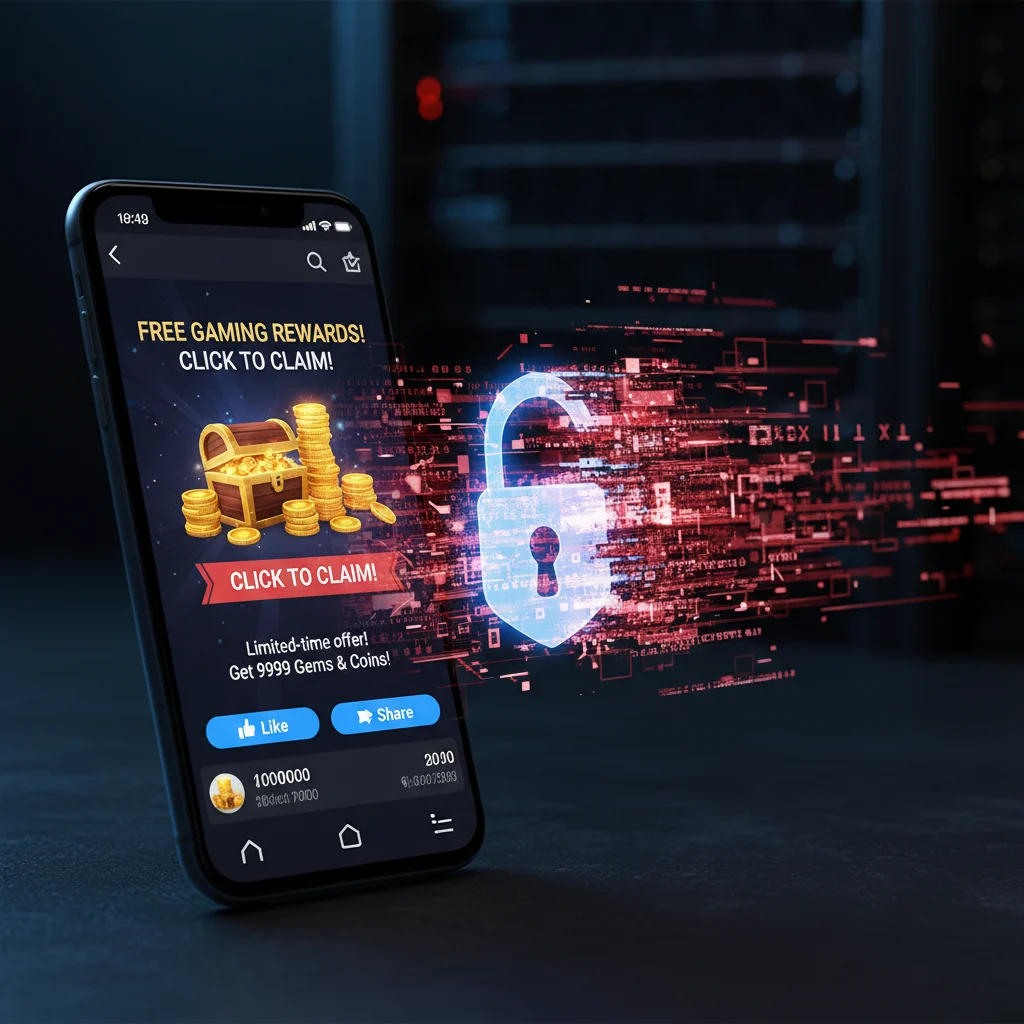
- Credential Harvesting: Players are asked to log in using their Facebook or Google credentials to “sync” the free spins to their accounts. This immediately compromises their social media and email profiles.
- Malicious App Payloads: Users are prompted to download a “verification tool” or a helper app. In reality, this app contains spyware capable of tracking keystrokes, capturing screen activity, and stealing mobile banking codes.
- Surveys and Subscription Traps: Players get caught in an endless loop of surveys that steal personal identifiable information (PII) or quietly sign them up for premium SMS billing services.
Why Gamers are Soft Targets
Cybersecurity experts point out that mobile gamers are often less vigilant about security than corporate network users. “Gamers want to get back to playing as quickly as possible,” says Marcus Vance, a senior threat analyst at the private security firm Sentinel Guard. “When you’re deeply engaged in a game loop, your guard is down. Scammers know this. They create a sense of urgency, claiming these links expire in minutes, which forces rushed decisions.”
According to CISA, the current campaign has already claimed thousands of victims in the US alone. Many of those targeted are younger players or older adults, two demographics that may not recognize the subtle signs of a phishing page. The financial damage goes far beyond the game itself; hackers have used stolen credentials to bypass two-factor authentication on banking apps, leading to direct financial losses.
Official Recommendations to Stay Safe
Both federal agencies and Moon Active are reminding players that there is no shortcut to earning spins. Genuine rewards are only distributed through the developer’s verified social media accounts or directly inside the app.
To avoid falling victim to these autumn scams, cybersecurity officials recommend the following rules of thumb:
- Never download external apps: Avoid downloading any files or apps from third-party sites claiming to modify or assist your gameplay.
- Inspect the URL: Official links will always point to verified domains associated with Moon Active. Be wary of addresses with unusual extensions or misspellings like “coin-maaster” or “free-spins-claim.”
- Secure your accounts: Enable multi-factor authentication (MFA) on the social media profiles linked to your game, and never share your login credentials under any circumstances.
- Report suspicious links: If you spot a fraudulent offer on Discord or Facebook, report it to the platform administrators immediately to help protect other players.
If you believe you have already fallen victim to one of these scams, experts advise immediately changing your primary passwords. You should also run a comprehensive security scan on your mobile device and contact your financial institution if you suspect any banking credentials have been compromised.