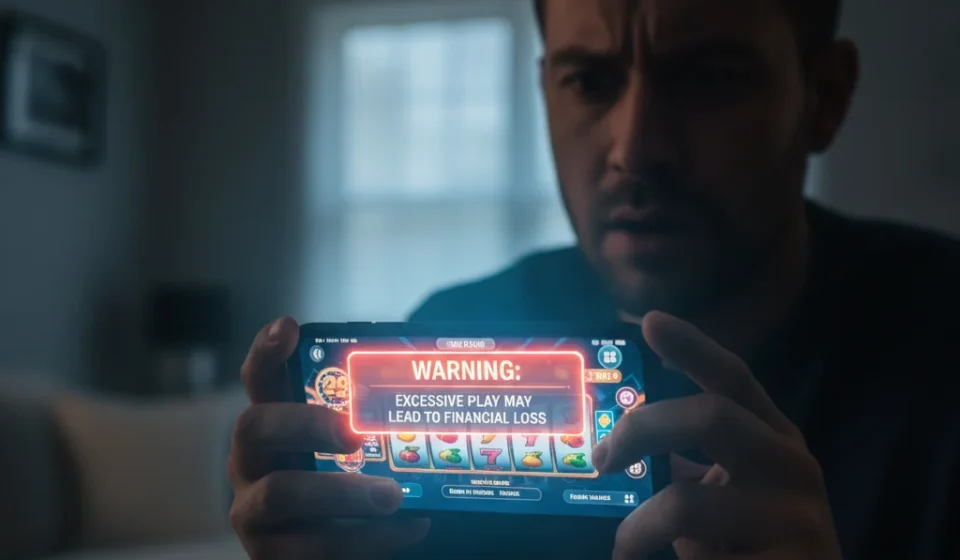

If you play games on your phone, federal regulators have a sharp warning for you: stop chasing free spins. The Federal Trade Commission (FTC) and the Federal Communications Commission (FCC) issued a joint alert this week warning American mobile gamers about a massive spike in highly sophisticated phishing scams targeting players of the hit mobile game Coin Master.
Since the start of autumn, scammers have been baiting users with promises of thousands of free slot spins. Instead of getting ahead in the game, victims are ending up with drained bank accounts and compromised personal data.
According to the FTC, more than 14,000 Americans have filed official complaints about these scams since September 2026. Financial losses linked to the schemes have already topped $4.6 million. It is a rapid escalation of a tactic that used to be easy to spot but has now become alarmingly convincing.
An Expensive Trap for Casual Gamers
Coin Master is one of the most profitable mobile games on the market. Developed by Moon Active, the game relies heavily on slot machine-style mechanics. Players spin a virtual slot machine to win coins, attack rivals, and build up their in-game villages. The catch is that spins are limited. Once a player runs out, they must either wait hours for a recharge or spend real-world money.
That is where the scammers step in.
They target players who are eager to keep playing without opening their wallets. Using spoofed SMS messages, sponsored ads on TikTok and Instagram, and compromised Discord channels, hackers direct victims to fake promotional pages.
"The psychological trick is simple," said Clara Mercer, a digital fraud investigator at cybersecurity firm ThreatShield. "They target your impatience. When you run out of turns in a game you are hooked on, a link offering 500 free spins feels like a lifesaver. You don’t stop to think if the URL looks a little strange."
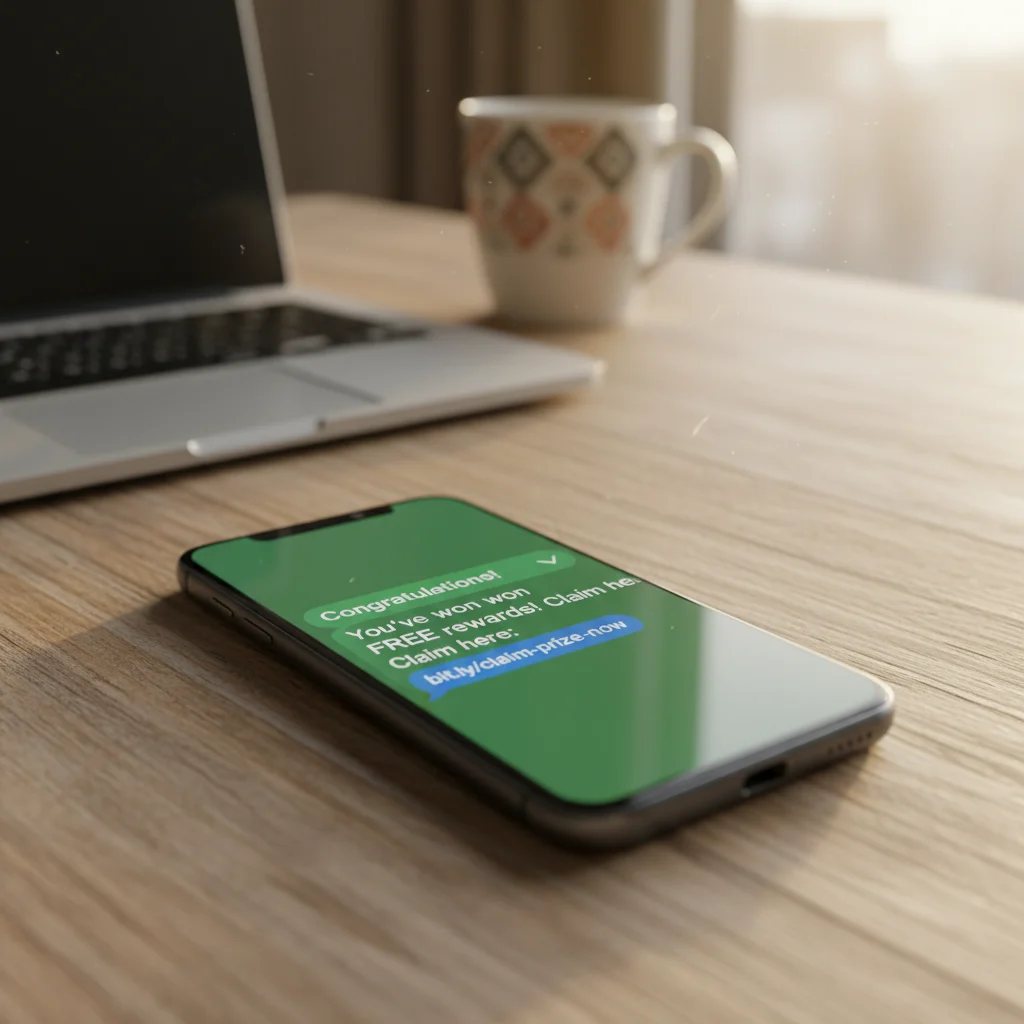
Once a victim clicks the link, they are taken to a highly polished website that looks exactly like an official Moon Active page. From there, the trap springs.
How the Phishing Scheme Steals Your Data
Regulators say the current crop of scams is far more sophisticated than the crude phishing attempts of the past. Some sites ask users to log in with their Facebook or Google accounts to claim the reward. This gives the scammers direct access to the victim’s social media and email profiles.
Others use a more direct financial approach. They claim that to verify the user’s age or location, a small charge of under a dollar is required. Once the player inputs their credit card number, the hackers harvest the details. Within minutes, unauthorized charges worth hundreds of dollars begin appearing on the victim’s account.
"They aren’t just looking for a buck," FCC spokesperson Marcus Vance explained in a press briefing on Wednesday. "They want your credentials. With access to your Google or Apple accounts, they can buy thousands of dollars in gift cards, access saved passwords, or even steal your entire digital identity."
The average victim is losing roughly $220 in direct charges. However, the headache of reclaiming hijacked email and social media accounts is proving to be the far bigger problem.
Protecting Yourself from the Free Spin Trap
The FTC urges gamers to remember one fundamental rule: if an offer sounds too good to be true, it is. Official game developers almost never distribute free rewards through random third-party links or unsolicited text messages.
To stay safe online, federal agencies recommend the following steps:
- Never log into your gaming or social accounts through a link sent via SMS or social media ads.
- Always look at the website’s address bar. Official Coin Master promotions only live on verified Moon Active domains.
- Enable two-factor authentication (2FA) on all your gaming, social, and email accounts.
- Report suspicious ads or messages directly to the platform you saw them on.
If you believe you have fallen victim to one of these scams, regulators advise contacting your bank or credit card company immediately to freeze your accounts. You should also file a formal report at the official FTC fraud website to help authorities track and shut down the rogue domains.