Epic Games is quietly testing a massive shakeup to how Fortnite players buy in-game cosmetics. A new, algorithmically driven “My Shop” tab has started popping up for select users. It uses machine learning to pitch personalized skins, emotes, and pickaxes directly to individual accounts.
While some players welcome the chance to grab rare items they missed, the test has ignited a fierce debate online. Critics accuse Epic Games of weaponizing artificial intelligence. They fear the developer is trying to exploit spending habits by supercharging the game’s already aggressive monetization.
How the Personalized Shop Works
The Fortnite Item Shop has always run on artificial scarcity. Skins appear for a day or two, then vanish for months, sometimes even years. This model thrives on FOMO—the fear of missing out. If you do not buy a skin now, you have no idea when it will return. It is a highly effective psychological sales trigger.
The experimental “My Shop” tab takes this pressure to a new level. Instead of a single storefront that looks the same for everyone, the game’s algorithm analyzes your account data. It looks at your play history, locker contents, and previous purchases. Then, it serves up a customized selection of items tailored specifically to your tastes.
If you play a lot of matches using female characters, the shop might pitch you similar skins. If you frequently browse anime-style cosmetics, those will likely dominate your feed. It is a highly targeted digital billboard.
The Community Reacts to ‘Predatory’ Tactics
For many players, this personalized approach feels too manipulative. Social media platforms like X and Reddit quickly filled with complaints once screenshots of the feature began circulating.
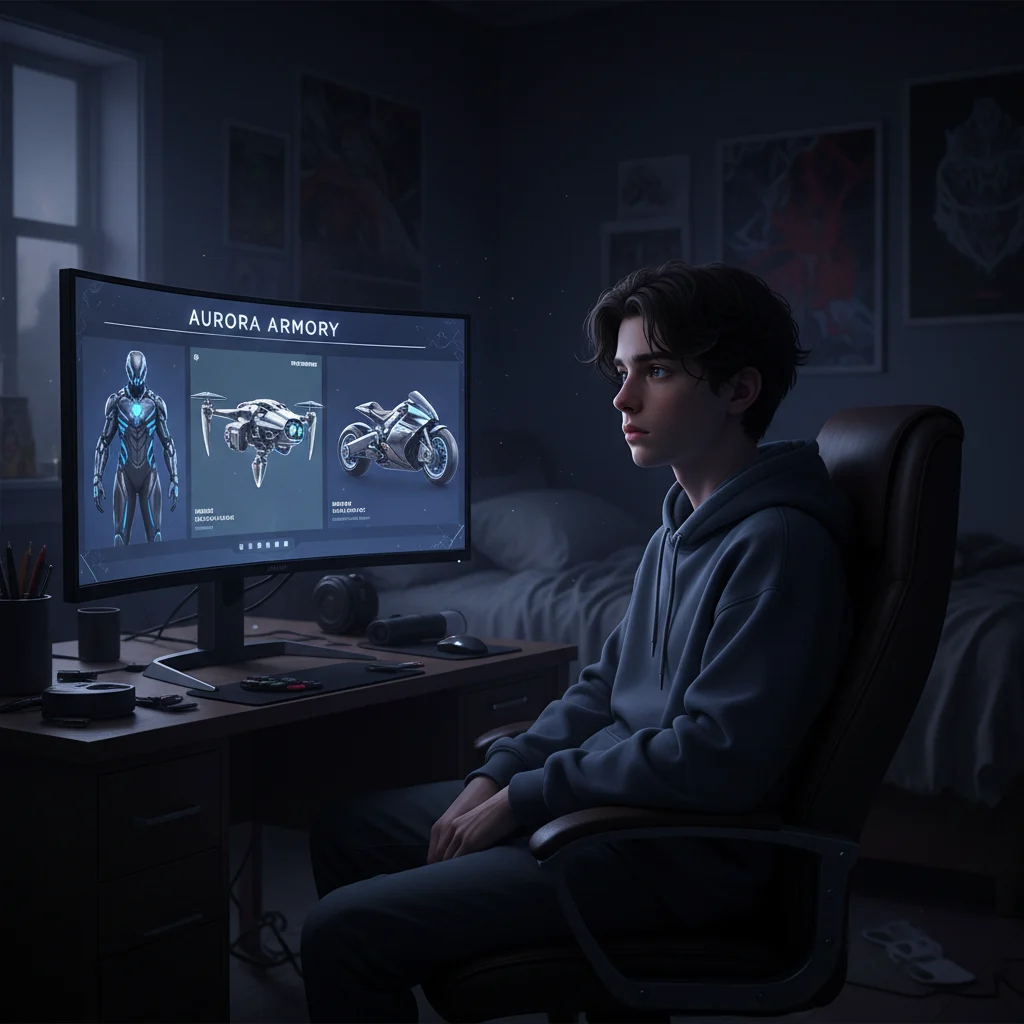
“It feels incredibly invasive,” wrote one user in a trending Reddit thread. “It is like Epic is looking directly into my locker to see exactly what will break my willpower. It takes the regular FOMO and turns it into a targeted psychological attack.”
For years, the daily Fortnite shop reset was a communal event. Every night at 8 PM Eastern, millions of players checked the shop together. They celebrated rare returns and mocked boring rotations. A fully personalized shop threatens to dismantle that shared experience. If everyone sees a different storefront, the collective hype fades away. It turns a community event into an isolated, data-driven sales pitch.
A Quality-of-Life Upgrade for Some
Not everyone is angry about the change, though. For players tired of waiting on Epic’s erratic manual rotations, a smart shop feels like a blessing. It bypasses the frustration of seeing the same crossover skins cycle through the store week after week while hundreds of older, classic cosmetics gather digital dust.
“I have been waiting for specific older skins to return for over a year,” said one player on X. “If an algorithm can look at my wishlist and finally put those skins in my shop, I am happy to buy them. It beats checking the store every single day just to be disappointed.”
This test is not Epic’s first controversial shop update this year. Earlier in 2024, the developer removed color-coded rarity tiers—such as Epic, Legendary, and Rare—from the shop interface. Players complained that the change made it harder to judge the value of cosmetics. The new “My Shop” test seems to be the next step in a broader strategy to completely rebuild how players buy digital goods.
What Lies Ahead
Epic Games has not yet confirmed whether “My Shop” will roll out globally to all players. Currently, it remains a limited test restricted to select accounts. The company frequently experiments with UI changes and shop formats, sometimes discarding them entirely if player feedback is overwhelmingly negative.
Whether this specific feature becomes a permanent fixture remains to be seen. However, it highlights a growing trend in the gaming industry. As video game publishers look for new ways to maintain revenue, the intersection of AI and microtransactions is becoming the new frontier. For Fortnite fans, that frontier might hit a little too close to home.