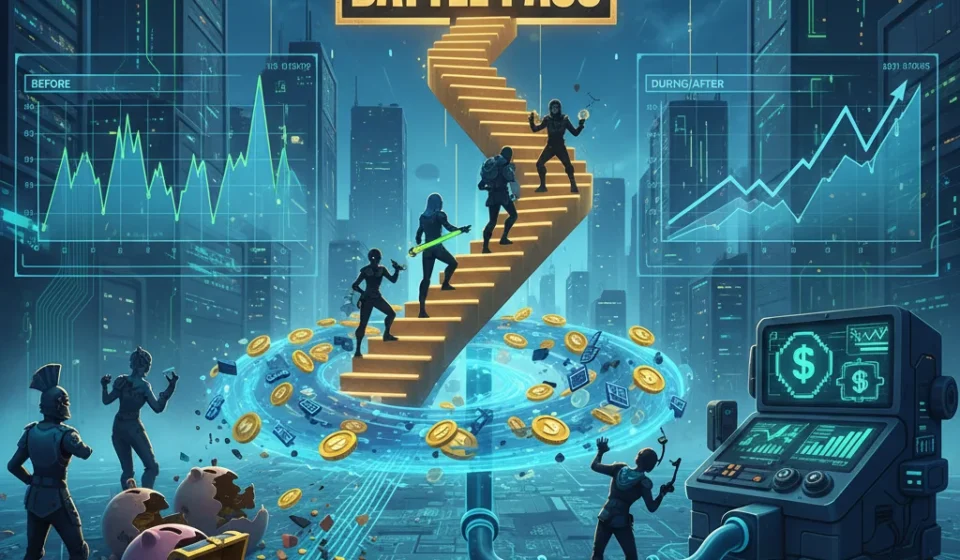

Two years ago, Epic Games made a quiet decision. It sent shockwaves through the Fortnite community. They decided to retire the strict exclusivity of Battle Pass cosmetics. Starting with the launch of Chapter 5 Season 4, Epic announced that items from future passes could appear in the Item Shop 18 months after their respective seasons ended. It was a massive pivot for a game built entirely on artificial scarcity.
Today, we are seeing the long-term results of that decision. The move has fundamentally altered Fortnite’s virtual economy, crippled the underground account-selling market, and redefined how players view digital ownership in the world’s most popular battle royale.
The End of the Black Market
For years, Fortnite relied heavily on FOMO—the fear of missing out. If you did not play during a specific three-month window, skins like Darth Vader, Spider-Man, or Marvel’s Doom were gone forever. This created a massive gray market. Players who missed out on iconic characters turned to sketchy third-party sites, buying entire accounts for hundreds, sometimes thousands, of dollars just to play as their favorite pop-culture heroes.
These deals were incredibly risky. Scams were everywhere. Account hijacking became a lucrative business as hackers targeted inactive accounts with rare skins to resell them to desperate buyers.
By letting legacy items return after 18 months, Epic successfully cut the legs out from under these black-market sellers. Why risk getting scammed or banned for a bought account when you can just wait and buy the skin legally with V-Bucks? Industry reports show a dramatic drop in account theft complaints since the policy took effect, proving to be a massive win for player security.
Balancing Exclusivity and Accessibility
The transition was not entirely smooth. When the change was first announced, some hardcore players reacted with frustration. Many felt their grind and time investment had been devalued. To appease these early adopters, Epic left older legacy items—anything released before the policy shift—completely untouched. Classic skins like the original Renegade Raider or the Chapter 1 Black Knight remain locked in vault status.

This compromise created a two-tier economic system within Fortnite.
“The old system rewarded luck and timing over actual fandom,” says gaming industry analyst Sarah Dunlap. “If a new player started in 2025, they were permanently locked out of the most famous skins in history. That never made sense for a game trying to build a permanent virtual world.”
Today, the game features a highly fluid modern economy. Players buy what they like, knowing they will not be punished for taking a brief hiatus from the game.
A Win for Epic’s Bottom Line
Financially, the gamble has paid off handsomely for Epic Games. Instead of players spending real-world money on unauthorized third-party trading sites, those funds now flow directly back into the official Fortnite ecosystem. Players buy more V-Bucks, keeping the in-game shop incredibly active.
Surprisingly, the change has also reduced player burnout. Because users no longer feel forced to grind challenges every single night just to secure a digital outfit, overall player sentiment has actually improved. The panic is gone, replaced by a more relaxed, sustainable relationship with the game.
Two years into this new era, Fortnite’s player base has fully adapted. Epic proved that you can dismantle aggressive FOMO without destroying the allure of the grind, securing a healthier and far more profitable future for their flagship title.
