
Fortnite is currently unplayable for millions of players. What was supposed to be a historic day for Epic Games has quickly devolved into a technical nightmare. Early Thursday morning, the developer caught the gaming world off guard by deploying the Chapter 7 update without the usual weeks of teasers. The update represents a massive technological leap, migrating the massively popular battle royale to the brand-new Unreal Engine 6. But instead of skydiving into a revamped world, players are staring at loading screens.
Login queues have spiraled out of control. Within minutes of the update going live, wait times on the title screen jumped from a few seconds to over six hours. For those who actually survived the wait, the reward was often a string of authentication errors. Red error boxes warning of “failed connections to Epic services” or “authentication timeout” have flooded social media feeds.
A Surprise Launch Backfires
Epic Games typically orchestrates its seasonal transitions with military precision. This time, they tried a different tactic. The stealth drop of Chapter 7 was designed to spark immediate viral hype. It worked too well. The sheer volume of traffic immediately overwhelmed Epic’s authentication servers.
“I woke up at 6:00 AM hoping to get a few matches in before work,” said Marcus Vance, a college student from Chicago. “The queue said eight minutes. Then it jumped to two hours. Then the game just crashed. When I restarted, I got an error saying my account didn’t exist. It is incredibly frustrating.”
Vance is not alone. DownDetector, a website that tracks online service outages, saw a vertical spike in reports starting around 5:30 AM Eastern Time. Outages were reported globally, with the heaviest concentration of issues in North America, Western Europe, and Japan. Epic’s status page showed all systems, from matchmaking to the item shop, operating in a “degraded state.”
The Unreal Engine 6 Bottleneck
At the heart of the chaos is Unreal Engine 6. Epic Games CEO Tim Sweeney has long teased the engine as the foundation of the “open metaverse.” Chapter 7 is the first major commercial test of this technology. It promises seamless transitions between user-generated experiences, vastly improved physics, and photorealistic lighting that scales across mobile phones and high-end PCs alike.
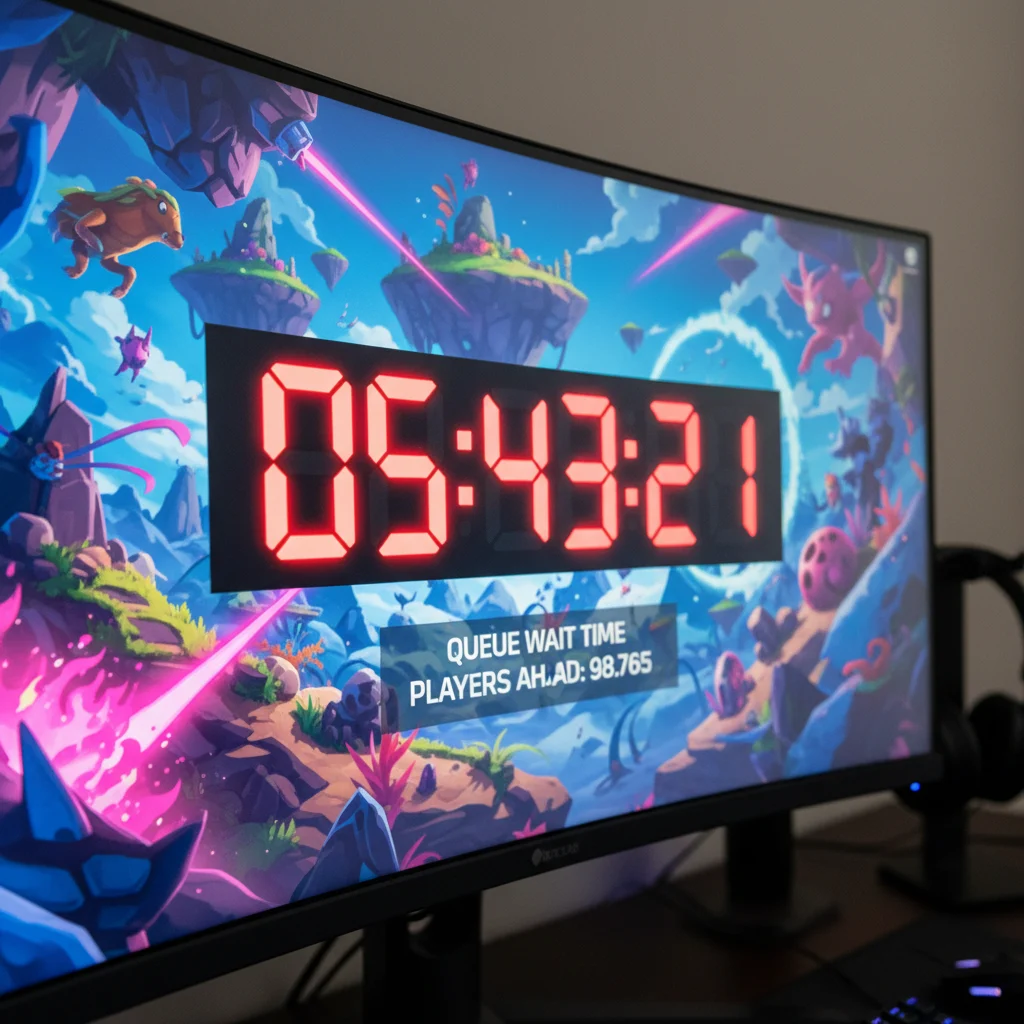
However, running such a complex ecosystem requires constant, heavy communication between the player’s client and Epic’s backend database. The new engine appears to demand much more rigorous authentication handshakes than its predecessor. When millions of devices attempted to perform these handshakes simultaneously, the servers simply choked. Rumors among data miners suggest that a database synchronization error is the root cause, failing to link players’ cosmetic inventories to the new engine architecture.
The company’s official support channel on X, formerly Twitter, has been scrambling to reassure the community. “We are actively investigating login issues, matchmaking failures, and unexpectedly long queue times,” the @FortniteStatus account posted. “We have temporarily capped server capacity while our engineering teams work to deploy a hotfix. Thank you for your patience.”
What Players Are Missing
The irony of the situation is that the lucky few who managed to get in are reporting an incredible experience. Early gameplay clips shared on TikTok show off fully dynamic, destructible environments that behave far more realistically than before. Trees splinter into individual shards of wood, and stone structures crumble under heavy fire rather than simply vanishing. The update also reportedly introduces a persistent inventory system that links Fortnite’s standard battle royale mode with Lego Fortnite and Rocket Racing seamlessly.
But for the vast majority, those features remain locked behind a digital velvet rope. The outage has also disrupted the broader gaming economy. Content creators who rely on Fortnite for their daily income found themselves hosting hours-long livestreams of a countdown clock. Some of Twitch’s biggest names spent their mornings reacting to memes on Reddit rather than showcasing the new map.
Despite the frustration, historical data suggests Epic will resolve the crisis relatively quickly. Major updates like Chapter 2 and Chapter 5 also suffered from severe launch-day turbulence, though neither featured a completely new engine migration. Security analysts note that the current issue does not appear to be a malicious cyberattack, but rather a classic case of self-inflicted traffic overload.
For now, Epic is advising players to remain in the queue rather than restarting their consoles or PCs, as closing the game resets their position. But with wait times still hovering in the triple digits for many, the wait to experience the future of the metaverse is going to be a long one.
