A New Era for the Item Shop
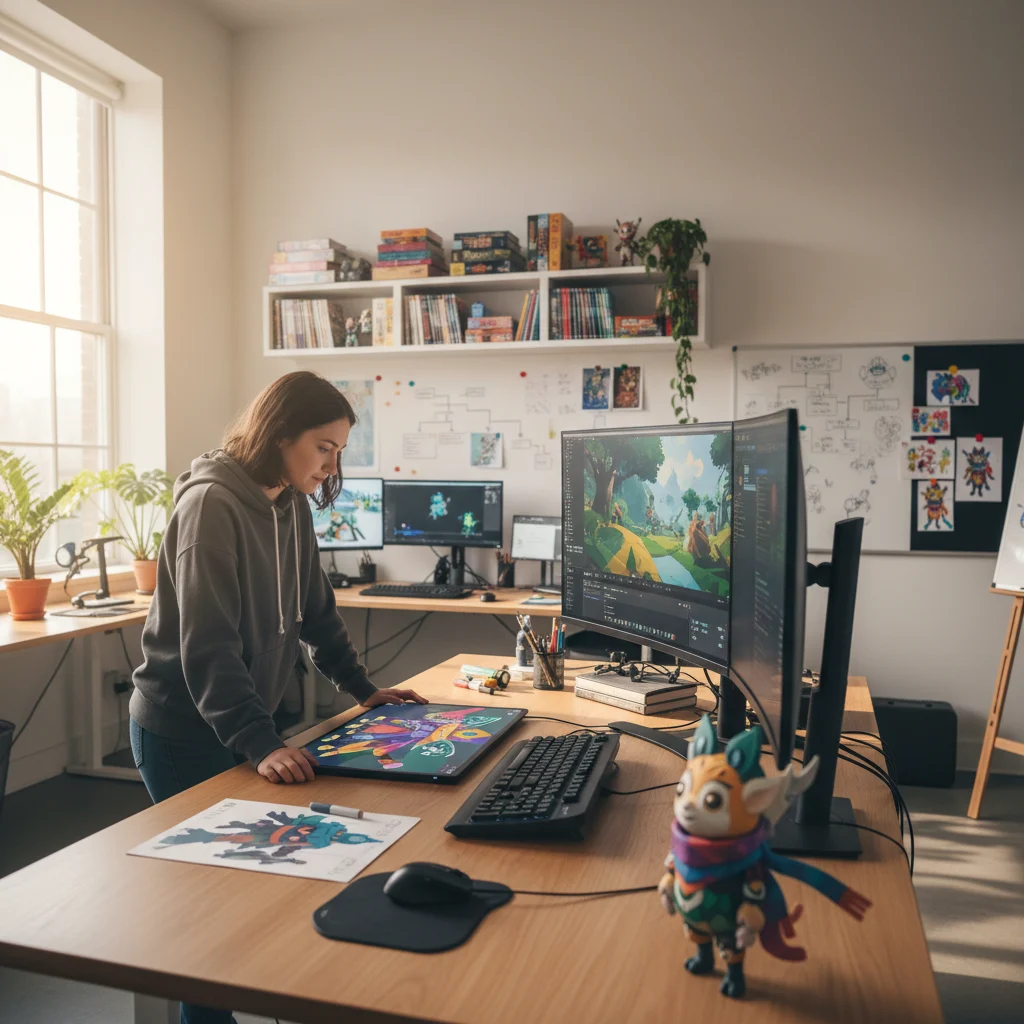
Epic Games is opening its virtual shelves to outside artists. Soon, players browsing the Fortnite Item Shop will see custom-designed skins, emotes, and accessories crafted not by Epic’s internal team, but by independent developers using the Unreal Editor for Fortnite (UEFN).
This new initiative, dubbed Creator Cosmetics, represents one of the biggest structural changes to the game’s economy since its launch in 2017. For years, independent creators could build custom maps and games, earning a share of engagement payouts. Now, they can design, brand, and sell their own digital clothing and gear directly to millions of active players.
It is a massive strategic play. Fortnite has steadily evolved from a simple battle royale game into a sprawling platform of user-generated experiences. By letting creators sell their own cosmetics, Epic is taking a page out of Roblox’s playbook, but with the high-fidelity visual power of Unreal Engine.
How the Pilot Program Works
The rollout will be gradual. Epic is starting with an invite-only pilot program, partnering with a select group of established UEFN development teams and popular creators. These early partners will design original outfits and back blings to test the publishing pipeline. Epic plans to expand the program to more eligible creators once the initial phase runs smoothly.
For creators, this is a potential goldmine. Up until now, map makers relied heavily on Epic’s engagement payout model. That system calculates earnings based on how much time players spend in custom worlds. While lucrative for top-tier studios, it did not offer a direct way to sell custom merchandise inside the game. Creator Cosmetics changes that dynamic completely. When a player buys a custom skin using V-Bucks, the creator will receive a direct cut of that sale.
Strict Rules and IP Protection
With this newfound freedom comes a lot of responsibility. Epic is imposing strict guidelines on what can be submitted to the shop. Copyright infringement is the biggest hurdle. Independent developers cannot recreate intellectual property they do not own. You won’t see bootleg Marvel characters, knock-off anime outfits, or unauthorized celebrity likenesses flooding the store. Everything must be completely original work.
Additionally, all items must meet Fortnite’s rigorous technical and safety standards. The designs must fit the game’s aesthetic and cannot give players an unfair gameplay advantage, such as being too difficult to see in dark areas. Epic will manually review every single submission before it hits the store shelf.
The Broader Impact on the Metaverse
The move could also change how brands interact with the platform. Instead of negotiating multi-million dollar deals directly with Epic Games for a custom in-game presence, brands might soon hire independent UEFN studios to design and launch their digital merchandise. This lowers the barrier to entry for smaller companies looking to establish a presence in the virtual world.
For players, the change simply means more variety. While Epic’s internal art team is incredibly prolific, opening the gates to thousands of independent designers will inevitably lead to a massive influx of unique styles, niche aesthetics, and creative concepts that Epic might never have developed on its own.
There are still plenty of unanswered questions. Epic has not yet detailed the exact revenue split for these sales, nor have they given a firm date for when the program will exit the pilot stage and open to the wider public. However, the message is clear. Epic Games wants Fortnite to be more than just a place to play. They want it to be a self-sustaining virtual economy where creators can build actual careers.