Fortnite has always thrived on its chaotic, fast-paced Item Shop. But a quiet update in September 2026 has pushed the community to its breaking point. Epic Games has officially introduced dynamic V-Bucks pricing for its catalog of older, highly sought-after collaboration skins. Almost overnight, the standard flat rates players relied on for years vanished. In their place is an algorithm that adjusts prices based on player demand, ownership history, and market trends.
The reaction was instant. Within hours of the shop reset, social media platforms and the Fortnite subreddit erupted in anger.
How the New System Works
For years, buying a skin in Fortnite was simple. A rare skin cost 1,200 V-Bucks, an epic one cost 1,500, and legendary cosmetics sat at 2,000. Crossover skins, like those from Marvel, Star Wars, or popular anime, usually had fixed prices.
That structure is gone. Under the new dynamic system, legacy collaboration skins—older cosmetics that haven’t been in the shop for months or years—now feature fluctuating price tags. For example, the classic Master Chief skin, historically priced at 1,500 V-Bucks, appeared in the shop for a staggering 2,300 V-Bucks. Meanwhile, lesser-demanded collaboration skins saw minor price drops, sometimes falling to 1,100 V-Bucks.
To players, the cheaper options feel like a distraction. The real issue is that the most coveted skins are now significantly more expensive.
“This is just dynamic pricing like Ticketmaster, but for digital clothes,” wrote one Reddit user in a thread that quickly gathered over 15,000 upvotes. “They are artificially inflating prices for the things people actually want, just because they know we’ve been waiting for them to return.”
The Algorithmic Cash Grab
Epic Games defended the shift in a brief patch note update. The developer stated that the change helps “better reflect the unique value of our historic collaborations” while allowing the team to offer “personalized bundles and flexible pricing” for players who already own parts of a set.
But the community isn’t buying the corporate messaging.
The biggest frustration stems from the lack of transparency. Epic hasn’t published a clear guide on how these prices are calculated. Players don’t know if a skin’s price will drop if they wait, or if buying it now is the only way to avoid another price hike next time it rotates into the shop. This uncertainty has supercharged the game’s already controversial FOMO (fear of missing out) marketing strategy.
“It feels incredibly predatory,” says streamer and Fortnite content creator Marcus ‘Aero’ Vance. “If you missed out on a skin three years ago, you’re now being penalized with a premium tax just to get it today. It punishes loyal fans and newer players alike.”
A Worrying Trend for Fortnite’s Economy
This isn’t the first time Epic Games has tinkered with the internal economy of its flagship battle royale. Earlier, the publisher faced criticism when it quietly retired the color-coded rarity system for cosmetics. At the time, players warned that removing rarities would allow Epic to price average skins at premium rates.
Those fears seem to have been realized. Without clear rarity tiers to anchor expectations, Epic has free rein to charge whatever the algorithm deems profitable.
The timing of this update is also raising eyebrows. As Fortnite continues to expand into a multi-game platform featuring LEGO Fortnite, Rocket Racing, and Fortnite Festival, the demand for cross-compatible skins has skyrocketed. By raising the entry barrier for legacy skins, Epic stands to make massive profits off players looking to build their digital identities across these new modes.
What Lies Ahead?
Epic Games has not yet indicated whether they will walk back the change. Historically, the developer has listened to community backlash on gameplay mechanics, but they rarely budge when it comes to monetization strategies.
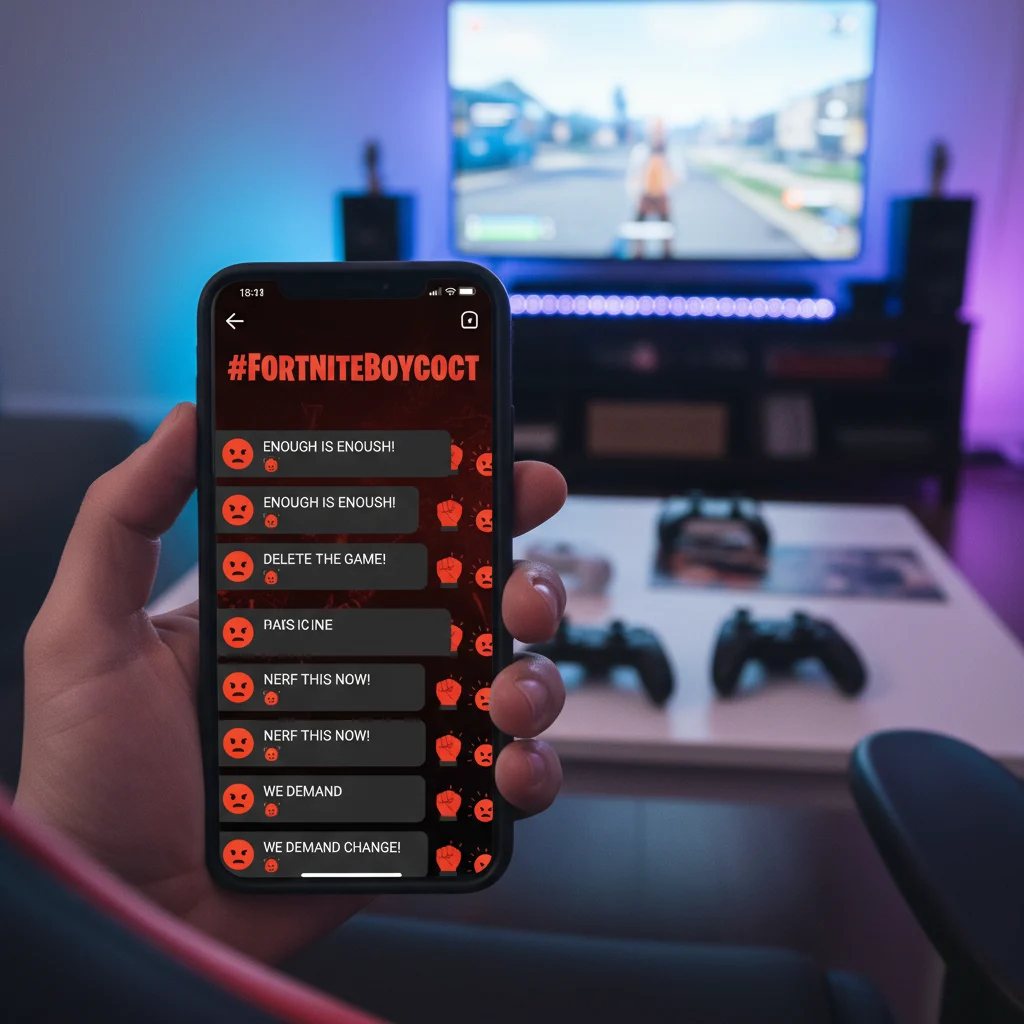
For now, players are voting with their wallets. Boycott hashtags have started trending on X, with creators urging their audiences to hold off on buying V-Bucks until Epic addresses the pricing model. Whether the community can sustain this resistance remains to be seen. But one thing is clear: the trust between Fortnite’s players and its creators has taken a massive hit.