
Fortnite’s virtual marketplace is getting a highly personal makeover, but not everyone is celebrating the change. Epic Games recently introduced ‘My Shop,’ a new feature that uses artificial intelligence to recommend cosmetics tailored specifically to individual players. While the developer promises a more streamlined shopping experience, the move has ignited a fierce debate within the community over data privacy and psychological sales tactics.
For years, the Fortnite Item Shop operated on a simple, universal schedule. Every day at 8 PM Eastern Time, the shop refreshed. Every player across the globe saw the exact same digital goods, from rare character skins to silly dance emotes. That shared experience is now shifting. With the rollout of ‘My Shop,’ Epic is using machine learning algorithms to analyze your play habits, your locker contents, and even your past purchases to curate a bespoke selection of items just for you.
How the Algorithm Learns Your Tastes
According to community dataminers and early player reports, the ‘My Shop’ system looks at several data points. It tracks which outfits you equip most frequently, the types of wraps you apply to your weapons, and even the genres of music you prefer in Fortnite Festival. If you frequently play as fantasy-themed characters, the algorithm might serve up medieval armor or magical pickaxes. If you have a habit of buying collaborative anime skins, expect your personalized shelf to lean heavily into those crossovers.
Epic Games argues that this personalization is a necessary evolution. Fortnite now boasts thousands of unique cosmetic items. A static, one-size-fits-all shop simply cannot display everything in the game’s vast vault without becoming cluttered and unusable. By tailoring the selection, Epic aims to help players discover older or obscure items they might actually want, rather than forcing them to scroll through pages of irrelevant gear.
The Dark Side of Personalization: Targeted FOMO
Despite the convenience, a large segment of the player base is deeply uncomfortable with the update. The core issue lies in how Fortnite drives its economy. The game relies heavily on ‘fear of missing out,’ or FOMO. Items are only available for limited periods, creating an artificial scarcity that pressures players into making impulsive purchases before a skin disappears for months—or even years.
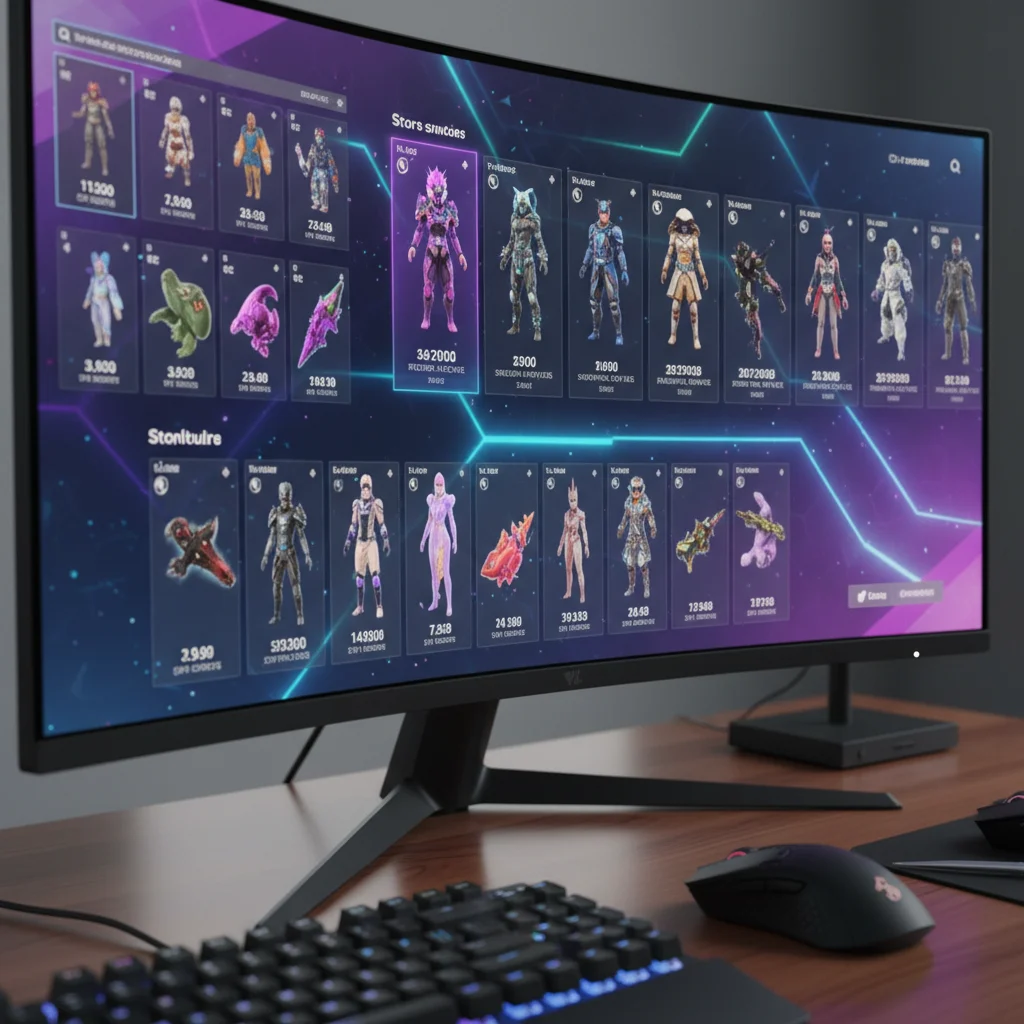
Critics argue that ‘My Shop’ weaponizes this psychological pressure with surgical precision. When a highly sought-after skin appears in a universal shop, players can discuss it with friends and decide together if it is worth the V-Bucks. But when the algorithm quietly drops a rare skin into an individual player’s shop, that decision-making process becomes isolated. The player knows the offer is uniquely theirs, and they might never see it again if they click away.
‘It feels incredibly predatory,’ says one long-time player on the Fortnite Reddit community. ‘The game knows exactly what I want because I’ve looked at it in the collection book. Now it’s dangling that exact item in front of me, whispering that it’s my only chance to grab it. It takes the fun out of collecting and replaces it with pure anxiety.’
Privacy Concerns and the Future of Gaming Retail
Beyond the psychological impact, some players are questioning the privacy implications. To feed the recommendation engine, Epic must continuously track and analyze player behavior. While this is standard practice for tech giants like Netflix, Amazon, and TikTok, its integration into a video game aimed largely at younger audiences raises eyebrows. Parents and advocacy groups have previously criticized Epic Games over its monetization strategies, leading to a massive $245 million FTC settlement in 2022 over ‘dark patterns’ designed to trick players into making unintended purchases.
Epic has assured players that the data used for ‘My Shop’ remains secure and is strictly utilized to improve the in-game experience. However, the line between helpful curation and aggressive salesmanship remains incredibly thin.
As the ‘My Shop’ feature continues to roll out to more accounts, it highlights a broader trend in the video game industry. Publishers are moving away from broad monetization models in favor of highly targeted, data-driven strategies. Whether players embrace the convenience of a tailored catalog or reject it as an intrusive sales pitch remains to be seen. For now, Fortnite players will have to decide if that perfect skin is worth the price of being watched.