The competitive Fortnite scene is on the verge of its biggest structural shift in years, and it isn’t because of a new weapon or a map update. Instead, a third-party tool is rewriting the playbook. With the 2026 Fortnite Champion Series (FNCS) fast approaching, players are quietly integrating Fortnite Tracker’s new real-time AI performance coach into their daily scrims. The tool is fundamentally changing how competitors make split-second decisions.
For years, Tracker Network has been the go-to repository for stats. You looked up your KD, your placement history, and maybe checked out your rivals. But this new AI-driven assistant does something entirely different. It watches you play in real time. By analyzing live gameplay feeds alongside historical database trends, the software acts as an automated, digital coach sitting right next to the player.
A Digital Analyst in Your Ear
“It’s like having a dedicated analyst in your ear every second of the match,” says Marcus “Vivid” Patel, a veteran competitive coach who has been testing the software with his roster. “In the past, we had to spend hours reviewing VODs after the tournament ended to spot mistakes. Now, players are getting corrected while they’re still in the lobby.”
The AI works by keeping track of several critical metrics simultaneously. It monitors storm phases, material counts, and player loadouts. But its most powerful feature is its predictive routing algorithm. By cross-referencing the current storm circle with years of historical match data from similar lobbies, the AI suggests the safest paths to take. It tells players when to rotate early, when to hold the edge, and even when to look for storm surge tags.
Cracking the Storm Surge Code
Storm surge has always been the bane of professional Fortnite players. In high-level lobbies, if you do not deal enough damage to opponents by a certain phase of the game, the game itself slowly drains your health. Calculating this damage threshold on the fly while dodging sniper fire is incredibly stressful. The tracker’s AI simplifies this. It displays a clean, non-intrusive indicator showing exactly how much damage a player needs to stay ahead of the threshold, even predicting how much damage the lobby will require in the next two minutes.
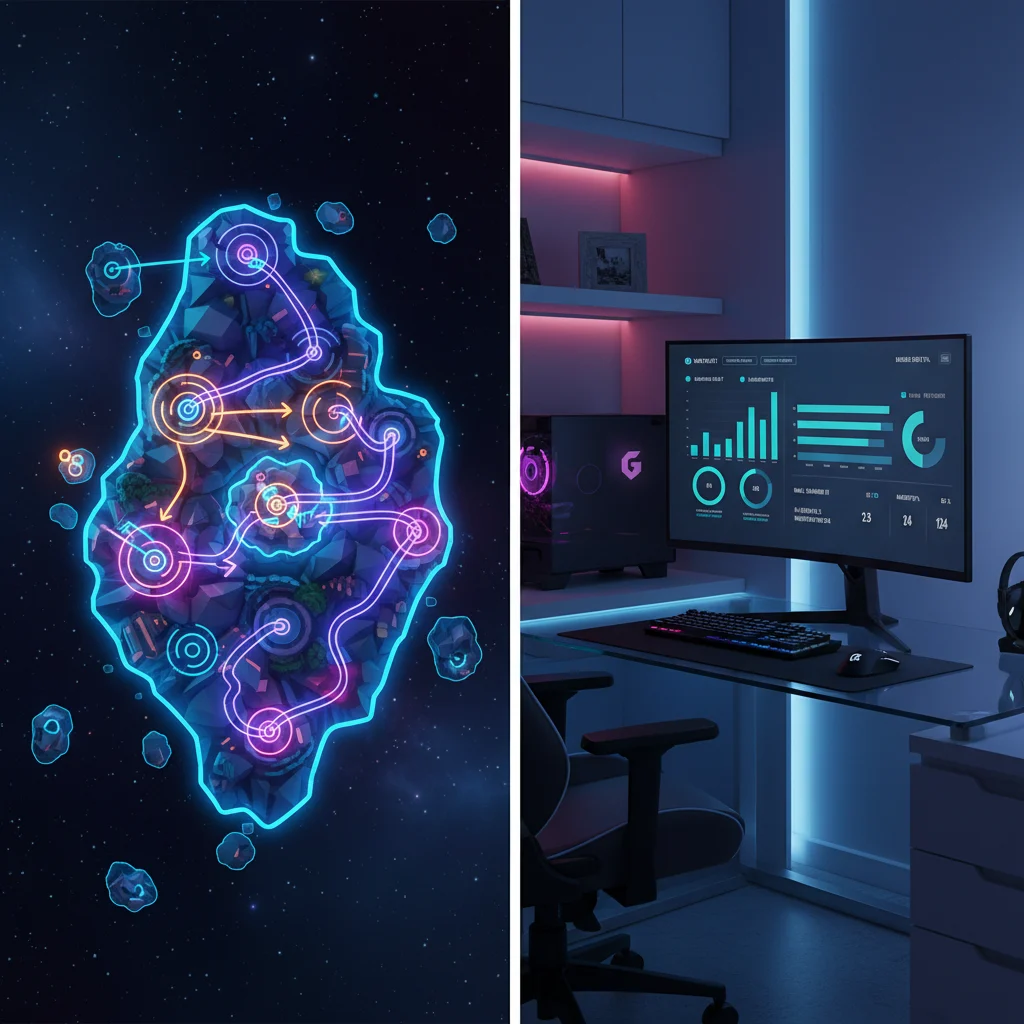
Naturally, this has triggered a massive shift in the competitive meta. The chaotic, instinct-driven mid-games that characterized earlier FNCS tournaments are giving way to highly calculated, almost chess-like maneuvers. Lobbies are staying alive much longer because everyone knows exactly where the dead zones on the map are. The endgames are becoming unbelievably packed.
The Fair Play Debate
This optimization has sparked intense debate within the community. Some purists argue that relying on an AI helper takes away from the raw, organic skill of the game. They believe that game-sense—the intuitive ability to read a match—should be a human trait, not something supplemented by an algorithm.
Epic Games, the developer of Fortnite, has yet to issue an official ban on the tool. Because the AI relies on visual overlays and public API data rather than reading the game’s internal memory, it does not violate current anti-cheat policies. It is external helper software, not a hack. However, rumors are swirling that tournament organizers are debating whether to ban second-screen assistants for the offline FNCS LAN finals in late 2026.
For now, players have no choice but to adopt the technology. If you aren’t using it, you are playing at a severe disadvantage. The tool has essentially democratized high-level coaching, giving solo players without the backing of major esports organizations access to the same analytical power as tier-one pros.
As the regional qualifiers for the 2026 FNCS draw near, the meta will continue to harden around these AI-driven strategies. Survival times are up. Unnecessary fights are down. The players who master this symbiosis between human reflexes and machine logic are the ones most likely to raise the trophy.