
A New Era of VOD Reviewing
Landing the perfect drop in competitive Fortnite has always been a mix of art and math. But Chapter 7’s thrown a wrench into everyone’s plans. With a highly erratic new map and aggressive storm mechanics, players are finding old rotation strategies completely useless. Enter Fortnite Tracker’s newest tool: Match Coach.
It’s an AI-powered assistant built directly into the tracker’s desktop application. Instead of just showing you your K/D ratio or win percentage, Match Coach actively dissects your gameplay. It tells you exactly why you died, where your drop failed, and how you could have avoided that lobby-bound transition in the third zone.
Mastering the Drop Spot in Chapter 7
Getting to the ground first is everything. In Chapter 7, high-tier loot spawns are clustered around highly contested areas like Mount Obsidian and Zenith Plaza. If you’re even two seconds late with your glider, you’re back in the lobby.
Match Coach tackles this by analyzing your drop telemetry. It looks at your jump angle, where you popped your glider, and your exact landing spot. Then, it compares this data to everyone else in your lobby. The tool shows you a 2D heat map of where your opponents landed and highlights the optimal path you should’ve taken to get the chest first.
“We used to have to manually sync drop maps on Discord with our coach,” says competitive duo player Marcus “Vortex” Sterling. “Now, the app does it instantly after the match. It literally shows me that if I angled five degrees further left, I’d have beaten the other team to the pump shotgun.”
Surviving the Late-Game Chaos
But landing is only half the battle. The real test in Chapter 7 is the end-game rotations. The current meta features rapid, vertical storm movements that punish slow rotators. If you get caught on the low ground without materials, your game is over.
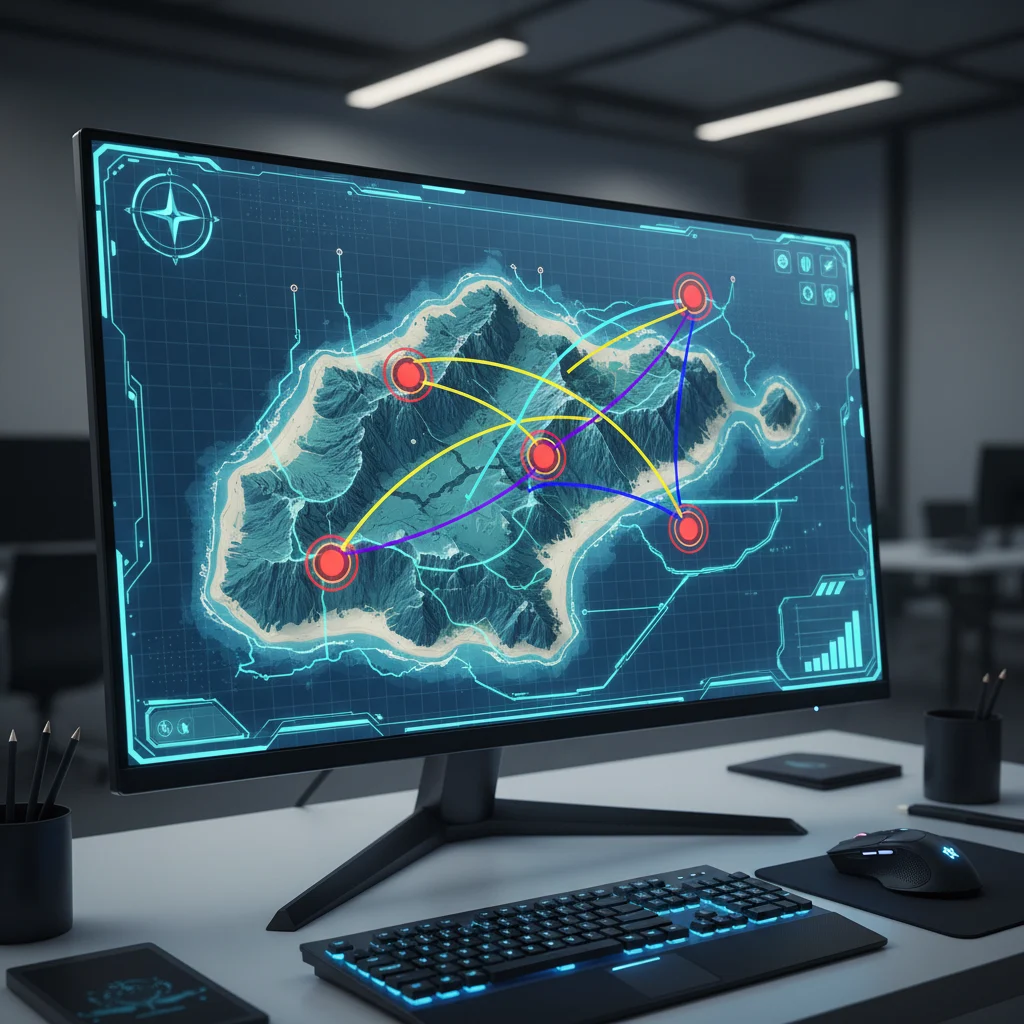
This is where the AI-driven algorithm shines. Match Coach parses your movement paths during the late-game circles. It identifies where you took unnecessary damage or got gatekept by other teams. It then suggests alternative routes based on terrain elevation and historical player density data. The goal is simple: find the path of least resistance.
The system doesn’t just look at your own game either. It pulls anonymous data from thousands of other high-level matches played on the same patch. By doing this, the AI recognizes patterns that a human eye might miss, such as a specific choke point that consistently becomes a death trap during fourth zone pulls.
Is It Safe to Use?
Whenever a new analytical tool hits the market, players worry about bans. Epic Games has notoriously strict rules regarding third-party software. However, the developers behind Fortnite Tracker have clarified that Match Coach is fully compliant with the game’s terms of service.
The tool doesn’t provide any real-time overlays that feed you active player positions or cheat-like advantages during an ongoing tournament. Instead, it operates strictly as a post-match review utility and a pre-game strategy planner. It uses the official replay files and passive telemetry that Epic already makes public.
For aspiring pros who can’t afford a dedicated personal coach, this level of analysis is a massive help. It democratizes high-level coaching, giving anyone with a decent PC access to the same statistical insights that top-tier organizations pay thousands of dollars for.
The Future of Competitive Practice
The feedback from the competitive community has been overwhelmingly positive so far. Scrim hosts and tournament organizers are already recommending the tool to players looking to refine their strategies before the next major FNCS event. As Chapter 7 progresses and the meta continues to shift, tools like Match Coach are likely to become standard gear for anyone serious about climbing the ranks.
Whether you’re trying to make it out of Contender Division or looking to secure a spot in the grand finals, understanding your mistakes is the only way to improve. With AI now doing the heavy lifting, those mistakes are becoming much harder to ignore.
