
Competitive Fortnite has always been a game of inches, but Chapter 7 changed the tape measure entirely. With the new map’s steep vertical cliffs, shifting gravity rifts, and chaotic storm phases, professional players are finding that traditional rotation strategies simply do not work anymore. To survive, teams need more than just fast edits and sharp aim. They need data.
That is where Fortnite Tracker’s new AI-powered positioning telemetry tool comes in. Quietly rolled out ahead of the latest tournament cycle, this feature is completely transforming how elite duos and trios analyze their practice matches. Instead of spending hours scrubbing through grainy Twitch VODs, players and coaches now get a detailed, automated breakdown of their performance within minutes of the lobby closing.
The tool works by pulling real-time positioning coordinates directly from custom match logs. It then translates that raw data into an interactive 3D visual suite. For coaches, it is a massive shortcut that saves dozens of hours of manual labor every single week.
“We used to sit in Discord for hours after every scrim block, arguing about where we should have rotated,” says veteran competitive analyst Marcus “Slayer” Vance. “Now, we open the telemetry dashboard, and the AI highlights our mistakes immediately. It is visual, it is instant, and there is no room for debate. You can see exactly where your team choked.”
Evaluating Risk in Real Time
One of the standout features of the new system is the “Pathing Risk Index.” The AI evaluates the physical route a team took across the island and grades it against historical match data. It highlights bottleneck areas where a duo was most vulnerable to being lobby-focused or trapped by the storm surge.
If a team consistently takes high-risk paths, the system suggests alternative, statistically safer rotations based on the current storm circle. In the high-stakes environment of Chapter 7, where a single bad rotation means instant elimination, this kind of foresight is invaluable.
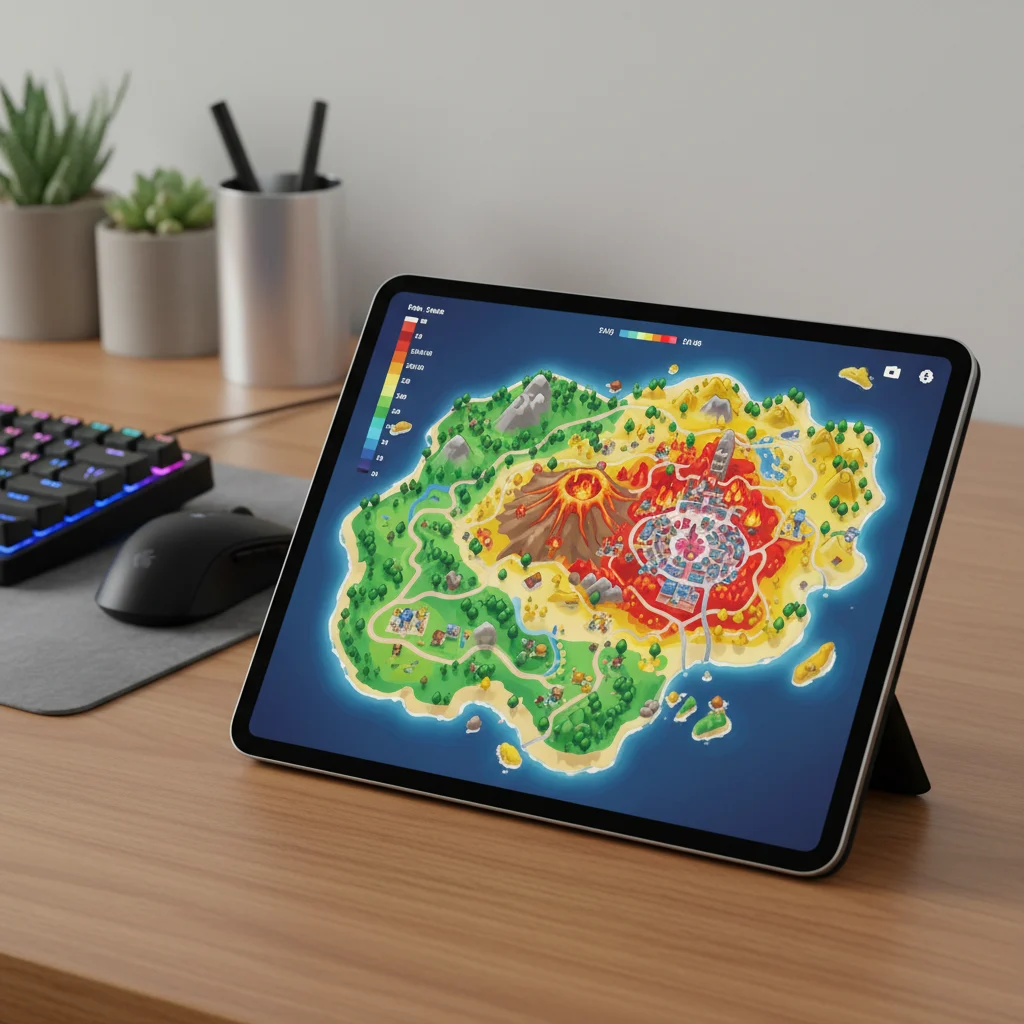
Storm surge management is another area where the telemetry tool shines. In high-level scrims, teams must constantly deal damage to opponents to avoid being eliminated by the game’s automated surge mechanic. The tracker monitors a team’s “Surge Delta” throughout the match, showing exactly when and where they fell behind the damage threshold. This helps players identify specific moments where they played too passively.
The Death of Secret Rotations
For years, top-tier Fortnite practice was shrouded in secrecy. Teams guarded their drop spots and mid-game rotation paths like state secrets. Now, this AI tool is leveling the playing field, making it incredibly easy to scout rivals.
Analysts can use the public telemetry data to study their opponents’ habits with pinpoint accuracy. They can see exactly how a rival duo reacts when a zone pulls far to the south, or which building layers they prefer to occupy during the chaotic late-game moving circles. There are no secrets left on the island.
Some purists argue that relying too heavily on algorithms takes away from the natural intuition that defines the best players. After all, the most legendary plays in competitive history came from split-second, gut-check decisions, not statistical modeling.
However, in an esports ecosystem where a single placement point can mean the difference between qualifying for a million-dollar LAN or watching from home, sentimentality takes a back seat to performance. The teams currently dominating the Chapter 7 leaderboards are almost universally those that have embraced deep analytical tools.
As the competitive season heats up, the gap between the teams using these advanced metrics and those relying on pure instinct is becoming a chasm. Fortnite Tracker’s telemetry tool might have started as an experimental feature, but it has quickly become an essential piece of gear for anyone serious about winning.
