
Landing in competitive Fortnite has always been a gamble. One bad drop can ruin a tournament run before it even starts. As players gear up for the highly anticipated FNCS 2026 Fall Series, a new tool from Fortnite Tracker is shifting how teams plan their opening seconds. It is called Drop Map Heatmaps. Suddenly, the chaotic scramble for early-game loot is looking a lot more like a science.
The End of Manual Scouting
For years, professional duos relied on manual VOD reviews to map out their strategies. Coaches spent dozens of hours pausing streams, taking screenshots, and plotting enemy drop locations on custom digital boards. It was tedious work, and the data was often outdated by the time Sunday finals arrived. Now, Tracker Network has automated the entire grind.
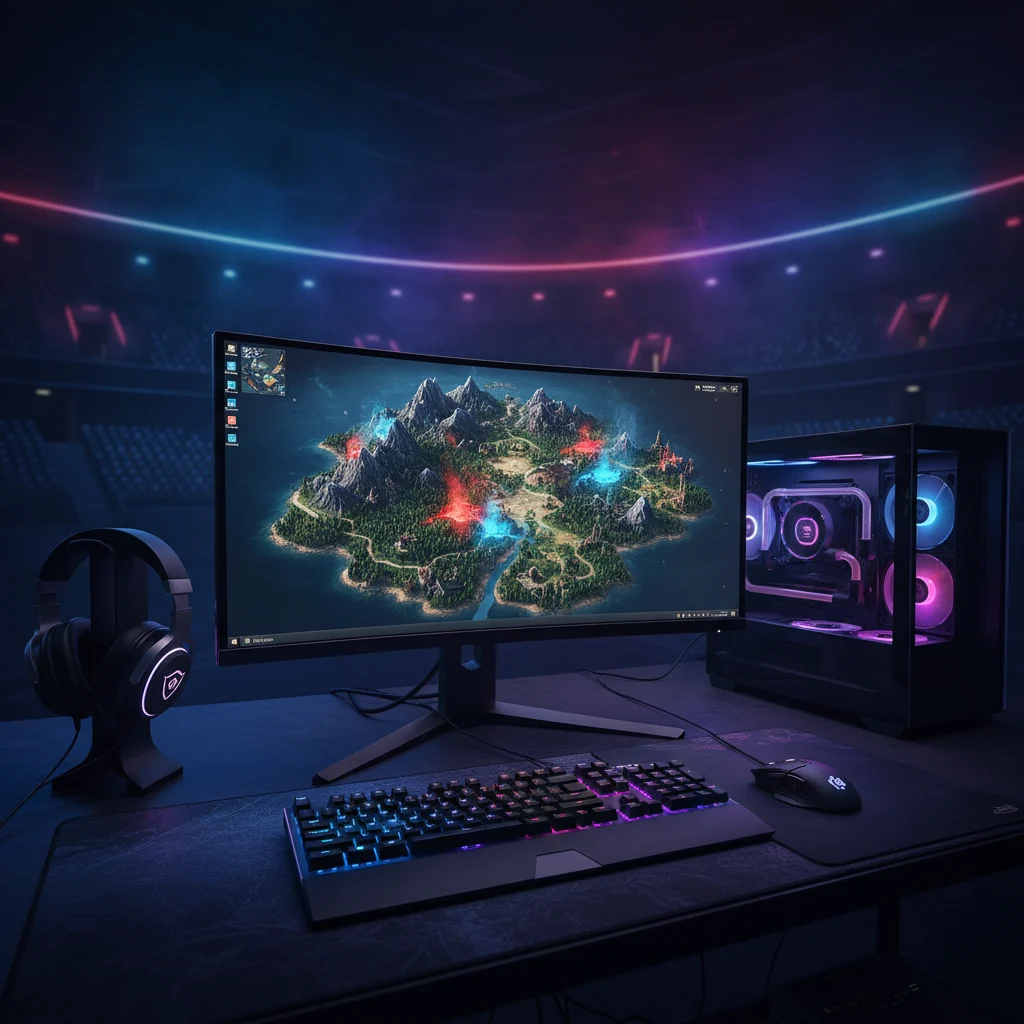
To generate these maps, the tool leverages advanced replay file parsing. Every time a high-level scrim or tournament match finishes, the system extracts precise telemetry data. It logs the exact coordinates of where a player first touches the ground, along with the first chest or weapon they loot. The software then compiles thousands of these data points into a color-coded visual guide.
How Pros Use the Heatmaps
“It saves us days of work,” says competitive analyst Marcus “Sol” Vance. “Instead of guessing where thirty different duos are going to glide, we just filter the map by lobby quality. We see exactly where players touch down, which chest spawns are contested, and where the safest rotations start. It has completely streamlined our pre-game preparation.”
The interface offers deep customization. Users can filter landing data by specific matches, tournament rounds, or individual duos. This level of detail is crucial for the Fall Series. Epic Games tweaked glider physics in recent patches, making landing mechanics tighter and less forgiving than before. A glide error of just five meters can mean the difference between finding a shotgun or an immediate trip back to the lobby.
A Catalyst for Shifted Strategies
Some pros were skeptical of the tool at first. They argued that over-reliance on cold data would make teams predictable. But the reality on the ground is proving otherwise. The tool has actually sparked a highly volatile meta-game as teams actively seek out undefended areas.
Instead of fighting for crowded hotspots, smart duos use the heatmaps to find “blind spots”—underrated, split-drop locations that offer sufficient loot without the threat of an early-game 50-50 fight. If a specific POI is glowing bright red on the map, smart teams stay clear.
The Ultimate Game of Chicken
There is a catch, though. Because every top-tier team has access to the exact same tracking platform, the heatmaps can sometimes create a bizarre game of chicken. If everyone spots a safe, blue-colored drop zone and decides to pivot there, that once-quiet area turns red in the next scrim block.
“It is a constant puzzle,” says Thomas “Slayer” Miller, a veteran competitor aiming for the Grand Finals. “You look at the map from yesterday, make a plan, but you have to assume your rivals are doing the exact same thing. You are trying to outsmart people who are looking at the same map as you.”
As the FNCS Fall Series qualifiers approach, this dance will only get faster. The reliance on real-time spatial data shows how advanced esports coaching has become. It is no longer just about fast mechanical edits or perfect aim. Today, winning the tournament starts long before the battle bus even leaves the runway.
