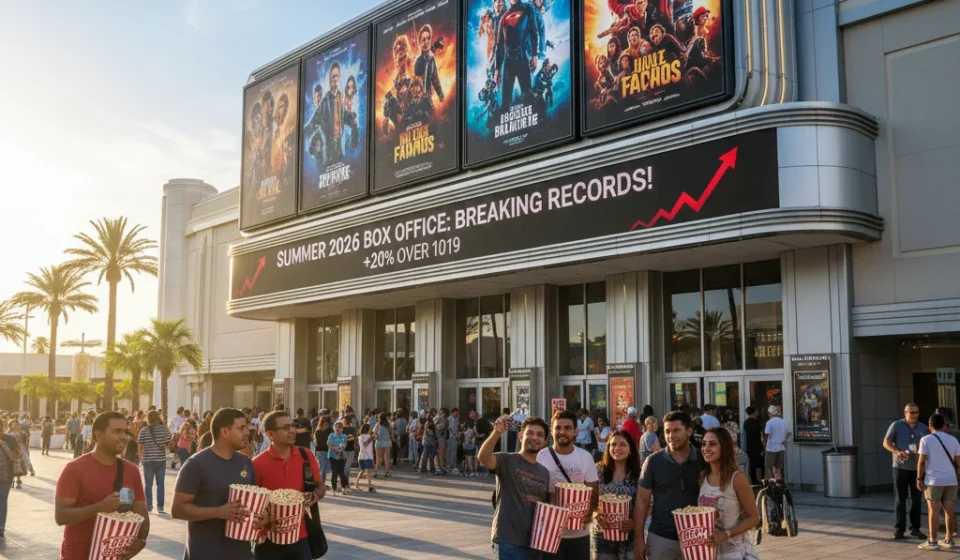

Movie theaters have officially closed the chapter on their multi-year recovery narrative. As the final weekend of August wrapped up ahead of the Labor Day holiday frame, domestic ticket sales for the summer 2026 corridor crossed $4.42 billion, outperforming the benchmark $4.34 billion generated during the same period in 2019.
It wasn’t a sudden fluke. Instead, this summer’s momentum built week over week, fueled by a well-spaced pipeline of studio releases, resilient family turnout, and audiences opting in record numbers for premium large-format screens.
Animated Sequels and Franchise Heavyweights Lead the Charge
Family moviegoers turned out in droves between Memorial Day and late August. Studios leaned hard into proven multi-generational IP, and the bet paid off. Animated titles accounted for roughly 34% of total summer ticket revenue, the highest share on record for the genre during a four-month theatrical window.
Universal and Illumination delivered massive numbers early in the season, while Disney and Pixar followed with an equally dominant mid-July run. These films did not simply open big; they sustained exceptional late-summer legs, running with minimal week-to-week drops well past their sixth weekends.
- Midsummer Stability: Animated titles consistently posted sub-35% second-weekend drops throughout June and July.
- Broad Demographics: Four-quadrant blockbusters drew a balanced mix of teens, young adults, and older demographics.
- Repeat Business: Studio tracking indicated high repeat-attendance rates for top-five grossing films.
Action tentpoles also delivered reliable returns. Warner Bros., Sony, and Paramount managed to carve out distinct lanes, avoiding the weekend-to-weekend cannibalization that troubled previous post-strike calendars. The steady spacing meant theater operators enjoyed consistent weekly foot traffic without the sharp revenue drop-offs that defined 2024 and 2025.
PLF Screens and Concessions Power Revenue Growth
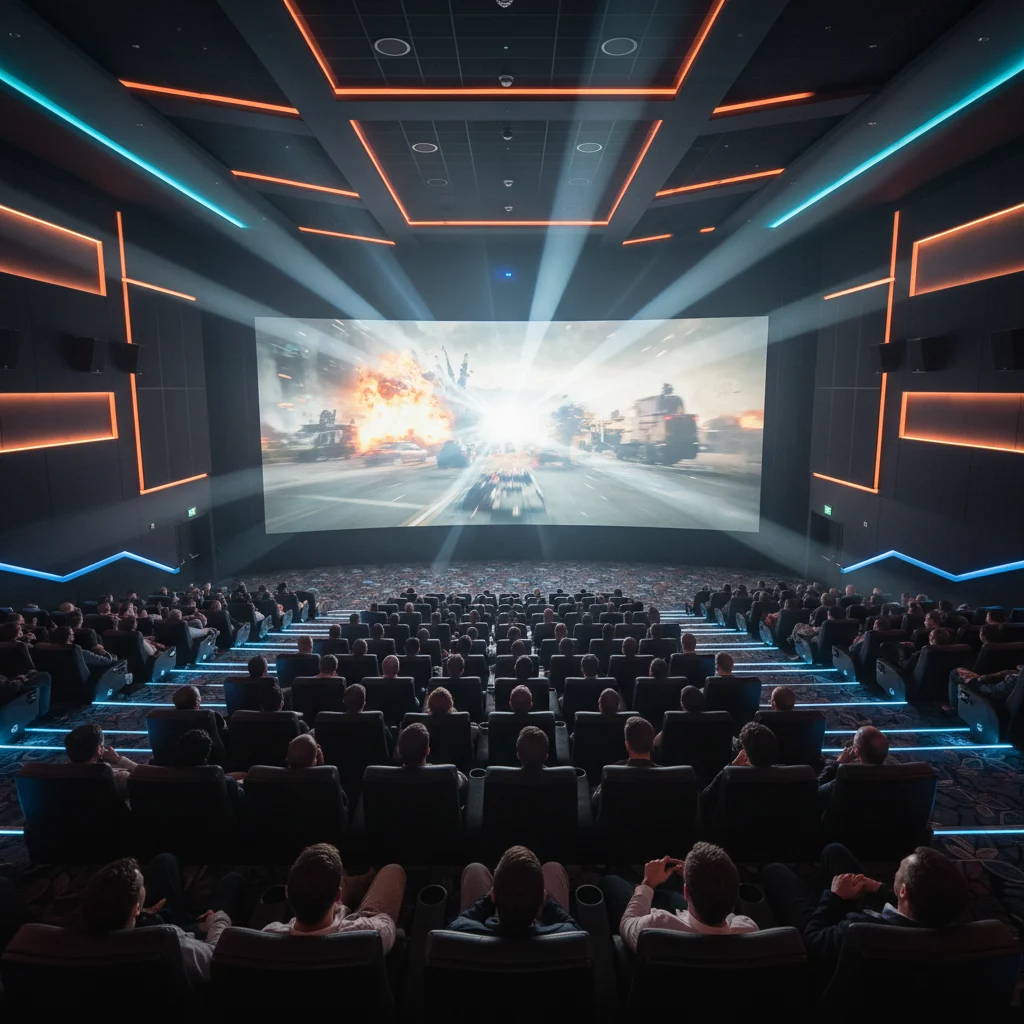
While overall ticket volume rose by 6% compared to 2025, gross revenue jumped even faster. That margin came courtesy of premium formats. Screenings in IMAX, Dolby Cinema, and specialized 70mm auditoriums represented over 18% of all domestic receipts from May through August.
Moviegoers showed little hesitation when paying a $5 to $8 surcharge for upgraded projection and sound. Exhibitors took full advantage, keeping tentpoles locked on premium screens for three to four weeks before rotating in the next release.
High Per-Patron Spending at the Concession Stand
Major cinema chains including AMC Entertainment, Regal Cinemas, and Cinemark reported record per-patron concession averages over the summer. Collectible popcorn tubs, themed beverage cups, and expanded hot-food menus kept ancillary margins high.
For theatre managers, these secondary revenue streams provided essential cushioning during quiet midweek dates. With average food-and-beverage spending up nearly 12% year-over-year, exhibition balance sheets look healthier than they have in nearly a decade.
A Balanced Slate Kept Momentum Alive
The standout feature of summer 2026 was the absence of extended dry spells. In previous years, a single mega-hit often masked a string of high-profile flops. This season saw a much healthier middle tier.
Mid-budget thrillers, original horror titles, and sleeper comedies routinely opened in the $25 million to $45 million range, hanging around on screens through word-of-mouth rather than burning out after three days.
- Horror Reliability: Genre titles kept late-night admissions brisk, turning modest $15 million production budgets into $80 million domestic runs.
- Comedy Rebound: Mid-tier comedies showed signs of life again, pulling theatrical audiences who had previously waited for streaming debuts.
- Counterprogramming: A24 and Neon continued to score solid indie victories on specialized platform releases.
Labor Day weekend projections suggest another $120 million across the four-day holiday frame, providing an exclamation point on an already historic season.
Exhibitors Shift Focus to the Autumn Slate
Theater operators now turn their attention to a packed autumn calendar. Historically, September and October bring a sharp downturn in ticket sales, but studio distribution executives have scheduled several high-profile genre entries and awards contenders to keep the momentum going.
With production pipelines fully stabilized and theatrical exclusivity windows holding firm at 45 to 60 days for major releases, the industry enters the final third of 2026 on firm footing. The summer proved that when studios deliver consistent, theatrical-first storytelling, audiences will show up in numbers that rival the best years in modern box office history.