
A month has passed since Epic Games dropped Chapter 7, bringing with it the highly anticipated “Disney Odyssey.” The persistent virtual world, born from Disney’s staggering $1.5 billion investment in Epic, promised to merge the magic of classic storytelling with Fortnite’s chaotic energy. Now that the initial hype has settled, the hard data is trickling in. The big question on everyone’s mind: is anyone actually playing it, and is anyone spending money?
The Launch by the Numbers
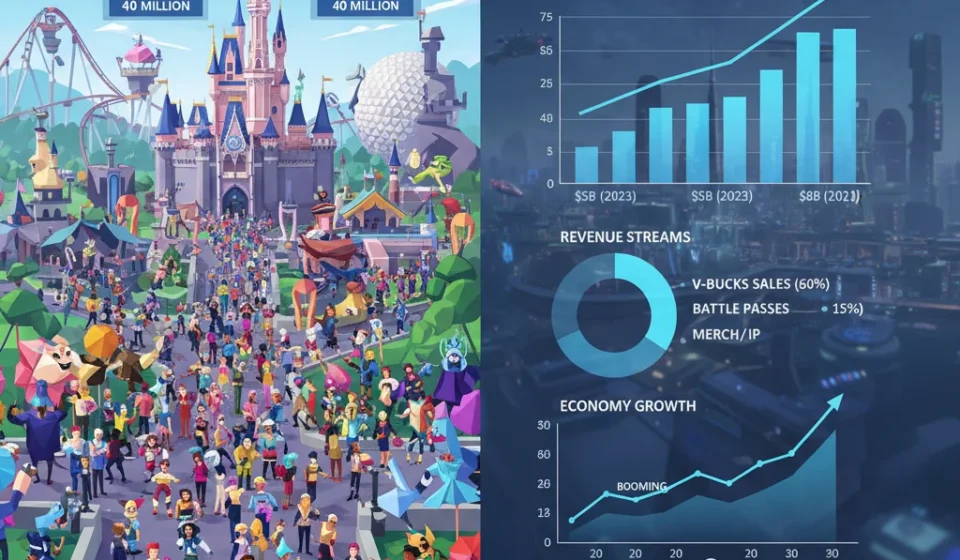
Epic Games rarely shares exact, real-time player counts for individual creative maps, but third-party trackers and Epic’s in-game public counters paint a clear picture. During its opening weekend, Disney Odyssey peaked at an astonishing 3.2 million concurrent players. It was a massive crowd, fueled by curiosity and the promise of free cosmetic drops. Naturally, that number has dipped.
Over the last week, concurrent player counts have hovered around a steady average of 540,000. While that is a steep decline from launch, it still beats out rivals. To put things in perspective, Disney Odyssey is currently pulling in more daily active users than *Lego Fortnite* and *Rocket Racing* combined. It is a massive win for Epic’s vision of an interconnected metaverse.
“The retention rate is what surprised us,” says Sarah Brannan, a senior gaming analyst at platform tracking firm StreamMetrics. “Usually, these branded crossovers spike for three days and then crater. But Odyssey has held onto a core audience. It is behaving more like a standalone MMO than a temporary marketing stunt.”
Inside the Virtual Economy
The real test of the Odyssey’s longevity lies in its virtual economy. Epic designed a dual-currency ecosystem for this space. While players still use traditional V-Bucks to buy premium skins like the Tron-inspired Mickey Mouse or a high-tech Buzz Lightyear, they earn a new in-game currency called “Dreamlight Shards” through active play.
https://fortnitevblucksgenerator.vercel.app/
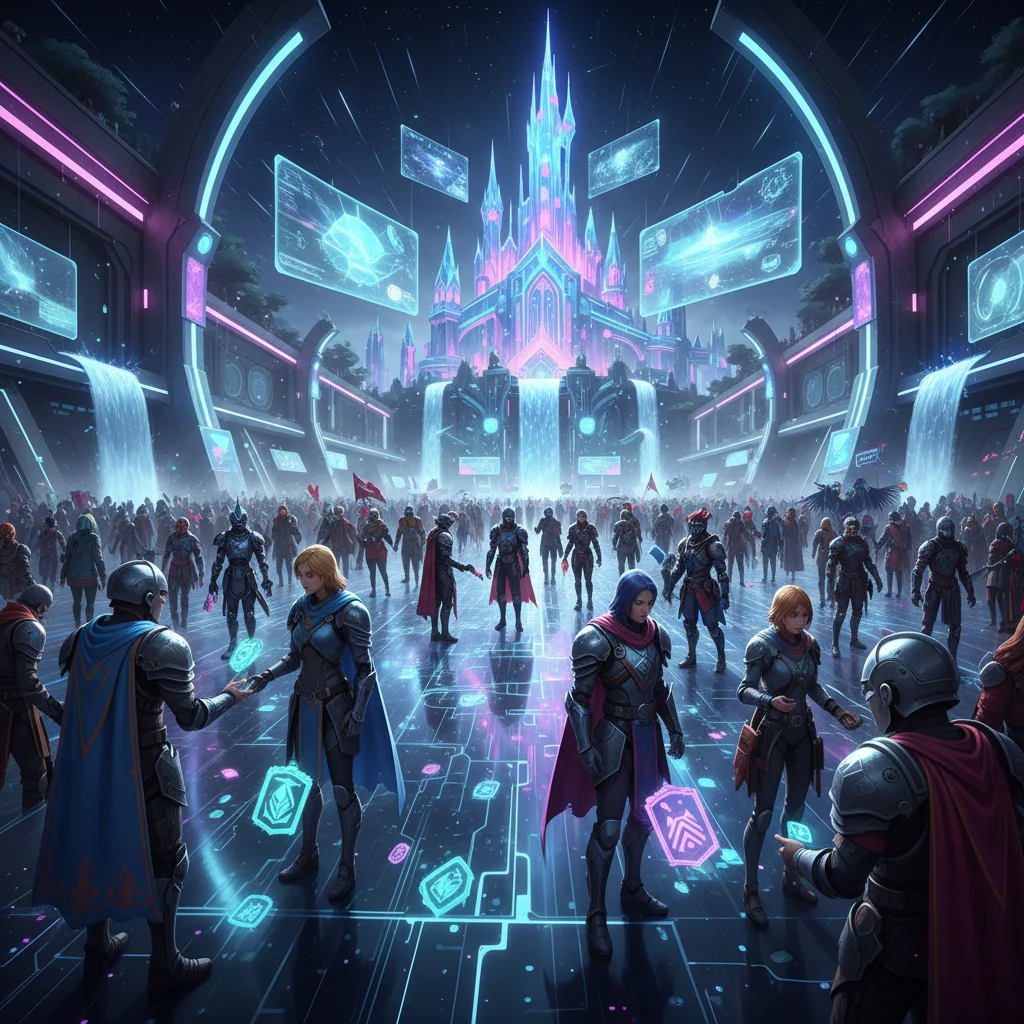
You cannot buy Shards with real money. You have to earn them. Players spend these shards on temporary power-ups, custom room decorations in their digital apartments, and rare collectible “Disney Pins” that can be traded with other players. This trading mechanic has sparked a thriving secondary market within the game’s social hubs.
Some rare pins, like the limited-edition holographic Oswald the Lucky Rabbit pin, are already trading for the equivalent of 5,000 V-Bucks in player-to-player barter agreements. By keeping the rarest items earn-only, Epic has successfully gamified the economy, keeping players logging in daily to grind out challenges.
A Split Community Reaction
Despite the impressive numbers, the player base is somewhat divided. Hardcore Fortnite battle royale fans often complain that the Odyssey takes development resources away from the competitive shooter side. The forums are filled with players grumbling about server lag during peak hours, which they blame on the massive assets required to run the Disney zones.
On the flip side, cozy gamers are thrilled. The social spaces, like the digital recreation of Main Street, U.S.A., have become virtual hangout spots for teenagers who treat the game more like a modern-day Club Penguin or Habbo Hotel. They are not there to shoot; they are there to chat, show off their outfits, and listen to virtual concerts.
What Lies Ahead?
Epic Games has already teased the upcoming content calendar for Chapter 7’s mid-season update. Rumors point to a Star Wars integration that will expand the current “Galaxy’s Edge” zone, alongside a rumored Marvel-themed competitive arena. The key to keeping this economy afloat will be fresh content. If Epic can maintain this steady drumbeat of updates, Disney Odyssey might just prove that the metaverse was not a fad—it just needed the right characters to bring it to life.