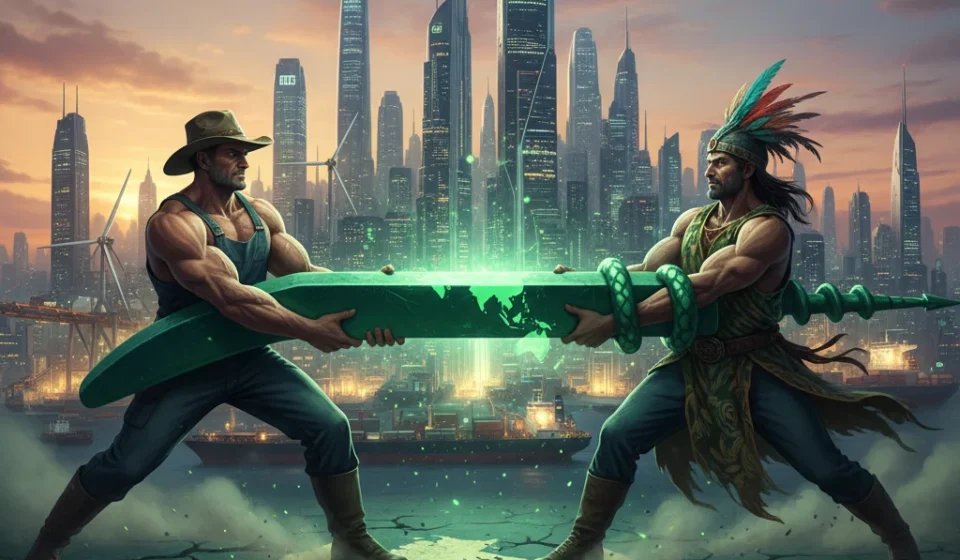

The global steel industry is facing its biggest shakeup since the Industrial Revolution. With steel production accounting for roughly eight percent of global carbon dioxide emissions, pressure is mounting on Asian steelmakers to clean up their acts. Nippon Steel in Japan, POSCO in South Korea, and China’s massive state-owned mills are all hunting for a solution. They need green iron. This scramble has sparked a fierce rivalry between the world’s two largest iron ore exporters: Australia and Brazil.
The High-Stakes Battle Over Clean Ore
At stake is dominance over the future of heavy industry. To make green steel, producers must move away from coal-burning blast furnaces. Instead, they will rely on direct reduced iron (DRI) technology powered by green hydrogen or natural gas. But DRI requires incredibly pure iron ore. That is where the battle lines are drawn.
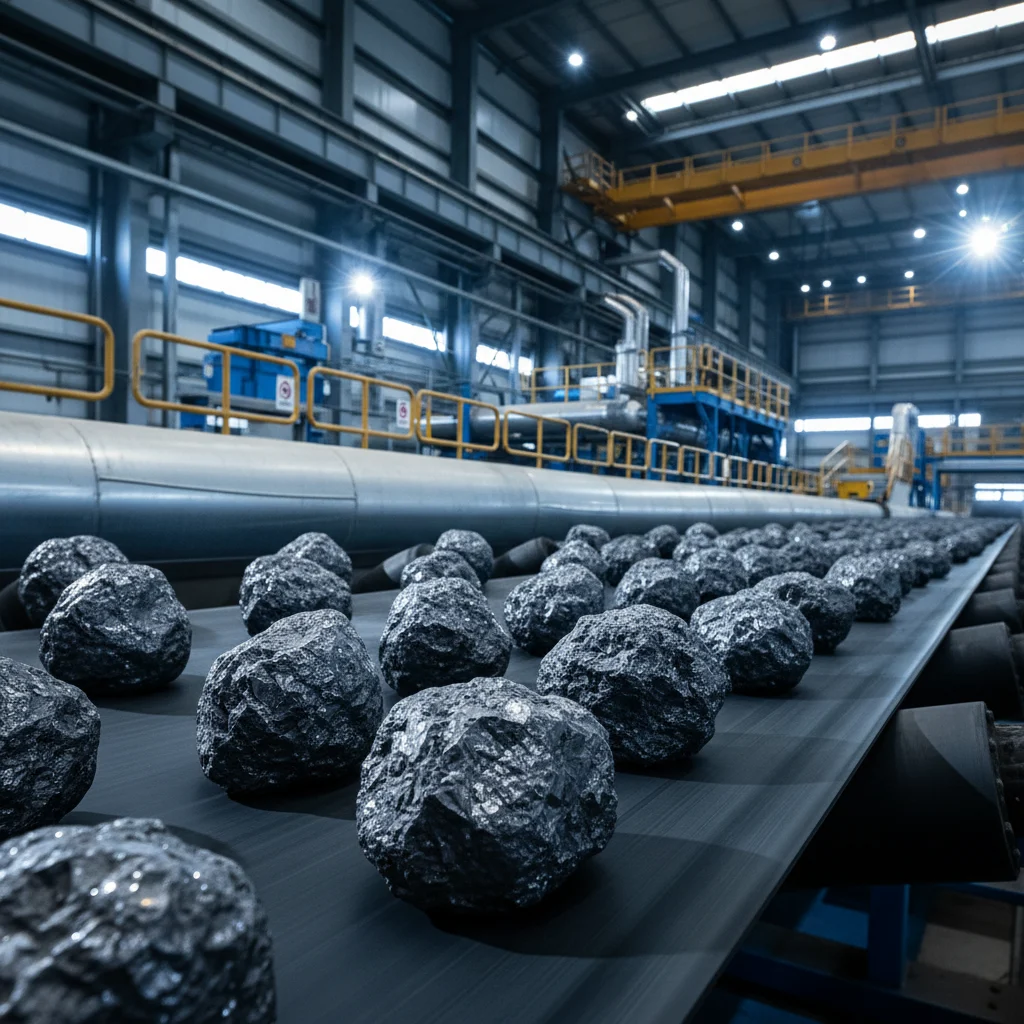
Brazil has a clear head start in the quality race. Its mining giant, Vale, controls some of the richest iron ore deposits on earth, particularly in the Carajás region. This ore boasts an iron content of over 65 percent. It is perfect for DRI production. Vale is capitalizing on this edge by planning “mega-hubs” in Brazil and the Middle East. These hubs will produce hot-briquetted iron—a compact, transportable form of green iron—which will then be shipped directly to Asian mills.
“We have the high-grade reserves that the world needs right now,” says a Rio-based industry analyst who closely tracks Vale’s strategy. “For Brazil, green iron is not just a climate initiative. It is a massive commercial opportunity to capture more value from every ton of ore they mine.”
Australia’s Technological Gamble
Australia, meanwhile, faces a different hurdle. The country dominates the global seaborne iron ore market, shipping hundreds of millions of tons each year from the dusty Pilbara region. But most of this ore is lower grade, averaging around 62 percent iron. In its current state, it cannot easily be used in standard DRI furnaces.
Best CPA Marketing Course – Nogor Web Bangladesh
Australian miners are not sitting idle. They are throwing billions at technology to solve this grade gap. Rio Tinto, BHP, and Fortescue are testing new processing methods. One promising option is the electric smelting furnace (ESF). These furnaces can take lower-grade Australian ores, melt them using renewable electricity, and still produce high-quality iron for steelmaking. It is a complex process, but it could save Australia’s export empire.
The Proximity Advantage vs. Pure Mineral Grade
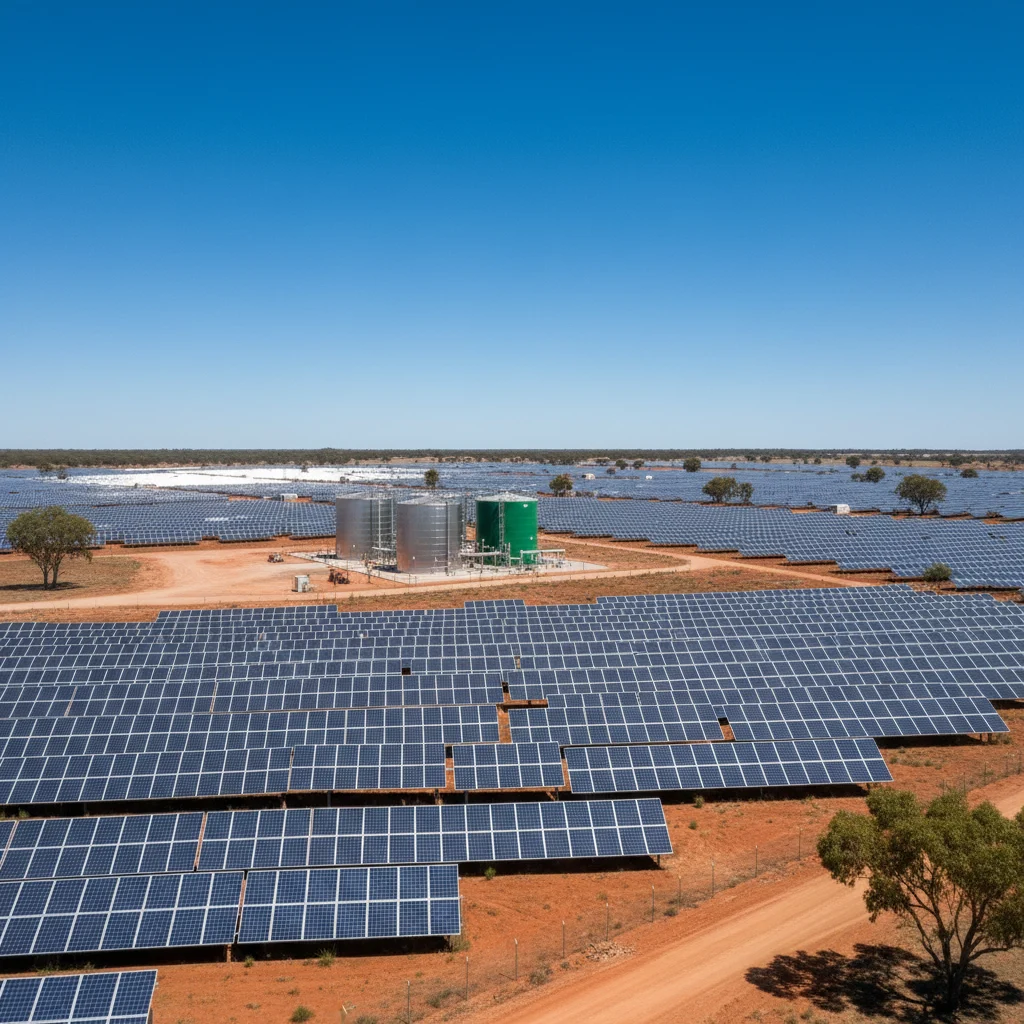
Australia also has a geographical ace up its sleeve: proximity. Shipping iron ore from Western Australia to East Asia takes about ten days. From Brazil, the journey takes more than a month. That difference means lower shipping costs and fewer transport emissions. Plus, Australia’s vast, sun-drenched outback is ideal for generating the cheap solar and wind power needed to produce green hydrogen.
“The proximity factor is huge,” notes an energy transition advisor based in Sydney. “But you cannot ignore the technology gap. Australia has to invent its way into the green iron market, while Brazil can essentially mine its way in.”
A Diversified Future for Asian Steel
This regional rivalry is forcing Asian steelmakers to diversify their bets. South Korea’s POSCO has partnered with both Australian miners to explore green hydrogen projects and with Vale to secure high-grade briquettes. Nippon Steel is doing the same. No one wants to rely on a single supply chain in this new era.
The outcome of this race will redefine global trade. If Australia can commercialize its smelting technology quickly, its proximity and clean energy potential will keep it on top. But if those projects stall, Brazil’s high-grade mines will carve out a dominant share of the premium clean-steel market. For now, both nations are racing against the clock, knowing that the winner will power Asia’s industrial future.