

A widely used blood pressure medication is vanishing from pharmacy shelves. The U.S. Food and Drug Administration recently announced a major nationwide recall of generic chlorthalidone tablets. Quality control tests revealed a serious flaw: the pills do not dissolve the way they are supposed to. For people living with chronic hypertension, this is a major concern. If the drug cannot dissolve, it cannot do its job.
Why the Recall Happened: The Dissolution Problem
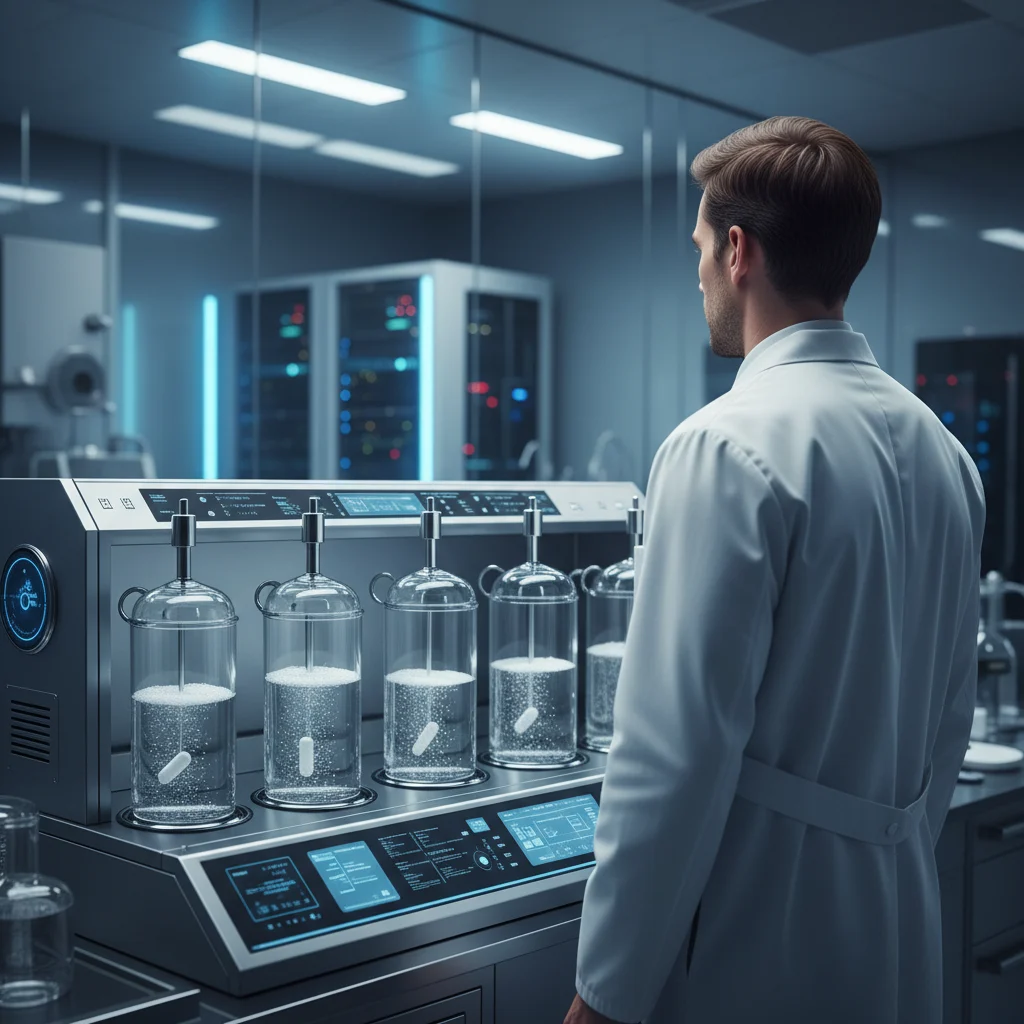
At the heart of the recall is a process called dissolution testing. Before any pill reaches your local pharmacy, manufacturers must prove it breaks down correctly in the human body. Tablets are designed to dissolve in stomach acid and intestinal fluids at a highly specific rate. This ensures the active ingredient enters the bloodstream consistently to keep health conditions under control.
During routine stability testing, batches of these generic tablets failed to meet those strict standards. Some pills did not dissolve fast enough, while others failed to break down completely. When a drug fails a dissolution test, it creates a massive gamble for patients. One pill might work perfectly, while the next one from the same bottle might pass straight through the digestive tract without releasing its active ingredients. This leaves the patient entirely unprotected.
The Medical Risks of Uncontrolled Hypertension
Chlorthalidone is a heavy lifter in cardiovascular medicine. As a diuretic, or “water pill,” it helps the kidneys flush out excess water and salt. This eases the pressure on blood vessel walls and makes it easier for the heart to pump blood. Doctors frequently prescribe it as a first-line treatment for chronic high blood pressure and fluid buildup caused by heart failure or kidney disease.
When hypertension goes untreated, the consequences can be devastating. Blood pressure can quietly climb to dangerous levels without causing any obvious symptoms. This puts patients at a significantly higher risk for life-threatening emergencies like strokes, heart attacks, and acute kidney injury. For someone who thinks they are managing their condition with a daily pill, a non-dissolving tablet is a silent and dangerous threat.
Best CPA Marketing Course – Nogor Web Bangladesh
Which Products Are Affected?
The recall targets generic chlorthalidone tablets manufactured by Marlex Pharmaceuticals, Inc., based in New Castle, Delaware. The affected lots include both the 25 mg and 50 mg dosage strengths. These medications were packaged in white plastic bottles containing 30, 100, or 1000 tablets and were shipped to wholesalers and pharmacies nationwide.

To find out if your bottle is part of the recalled batch, check the label for the manufacturer’s name, the lot number, and the expiration date. The FDA has published a complete list of these specific lot numbers on its official recall page. If your prescription came from a different manufacturer, your medication is safe to use and is not part of this warning.
Crucial Advice for Patients
If you discover that your medication is on the recall list, your first instinct might be to stop taking it immediately. However, medical experts warn that this can be incredibly dangerous. Abruptly halting a blood pressure regimen can cause a “rebound” effect, sending your blood pressure spiking to levels much higher than before you started treatment.
Instead, keep taking your current pills until you can contact your healthcare provider or pharmacist. Explain that your medication is part of the Marlex recall. In most cases, your pharmacist can quickly swap your bottle for a safe generic alternative made by a different manufacturer, ensuring your treatment continues without interruption.
So far, Marlex has not received any reports of adverse medical events related to this recall. However, anyone who suspects they have experienced health problems due to these tablets should contact their doctor immediately. Patients and doctors can also report side effects to the FDA’s MedWatch Adverse Event Reporting program online or by phone. Drug recalls of this nature are voluntary but heavily monitored by federal regulators to keep the public safe.