The creator economy inside Fortnite is getting a major upgrade. Tracker Network, the platform famous for tracking player stats across dozens of competitive games, has officially rolled out a dedicated analytics suite built specifically for Unreal Editor for Fortnite (UEFN) creators. This new tool aims to solve one of the biggest headaches for independent map makers: understanding exactly why and when players leave their custom islands.
Since Epic Games introduced Creator Economy 2.0, map design has evolved from a fun hobby into a highly lucrative career. Epic distributes 40% of its net Fortnite Item Shop revenue back to creators who build engaging experiences. Crucially, these payouts are heavily weighted toward player retention and return rates. If a player tries a map once and never comes back, the creator’s payout takes a hit. That is where Fortnite Tracker’s new tool steps in.
Real-Time Data for a Fast-Moving Sandbox
Until now, creators had to rely largely on Epic’s native dashboard, which often lacks the granular, real-time depth required to make rapid design adjustments. The new Fortnite Tracker UEFN tool addresses this by feeding creators immediate, actionable insights. Map makers can now view live player counts, average session durations, and exact retention curves without waiting days for data to process.
The platform tracks several key metrics that directly impact a map’s financial performance. Creators can monitor “day one” and “day seven” retention rates, showing exactly what percentage of players return to an island after their initial session. Additionally, the tool provides breakdown graphs illustrating player drop-off points. If a large chunk of players exits a custom game within the first three minutes, the map creator can pinpoint exactly which level, puzzle, or matchmaking lobby is causing the bottleneck.
Optimizing the Creator Economy
This launch comes at a time when competition inside Fortnite’s discovery menu is fiercer than ever. Thousands of new maps go live weekly. To stand out, creators need more than just a creative concept; they need data-driven strategy. By monitoring live traffic spikes and drops, developers can instantly see how a new update or promotional social media post affects their active player base.
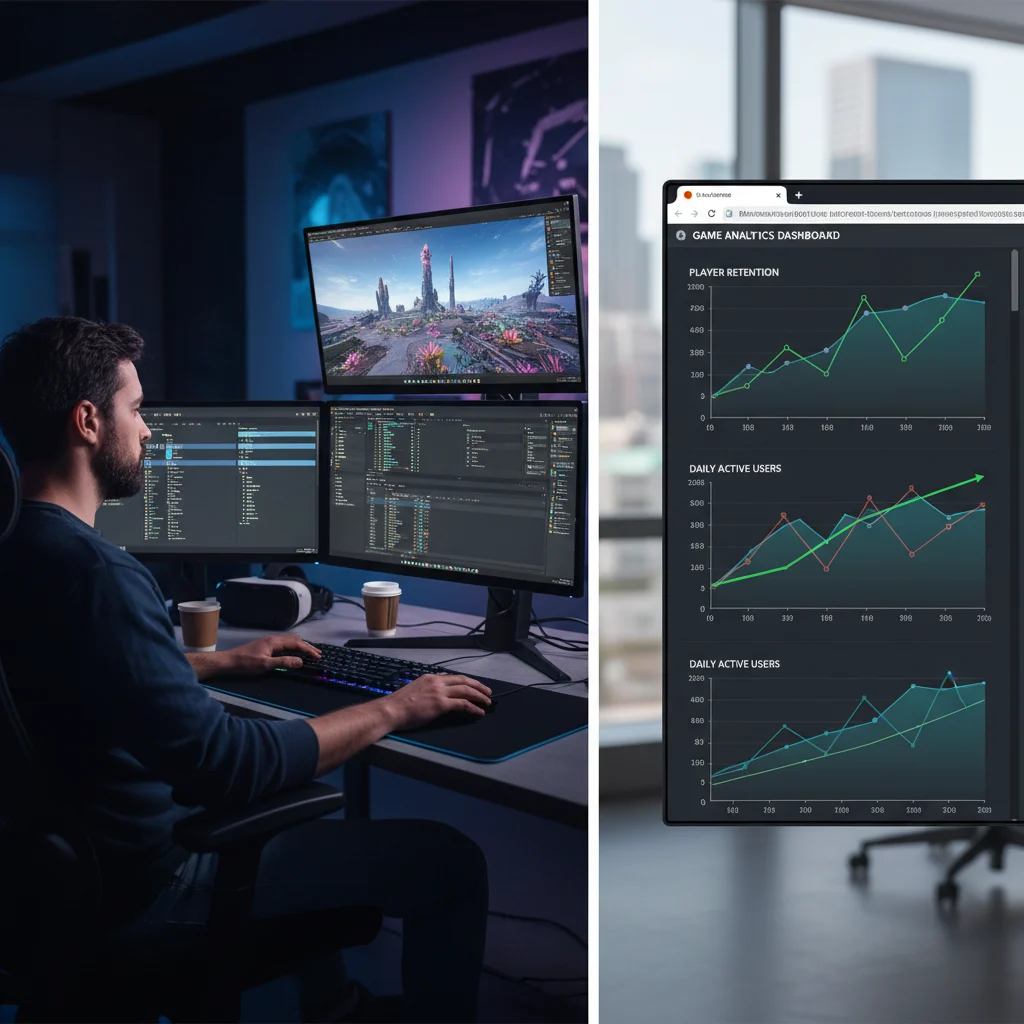
Tracker Network’s tool also helps creators benchmark their maps against industry averages. Understanding whether a 15% retention rate is good or bad for a specific genre—like a red-vs-blue shooter or a cozy roleplay map—helps developers set realistic goals. They can see if their island is underperforming compared to similar experiences in the same category.
Easy Integration for Developers
Setting up the new analytics platform is designed to be straightforward. Creators can link their Epic developer accounts to the Fortnite Tracker platform to sync their custom maps. Once connected, the dashboard populates with historical data and begins tracking new sessions automatically. The interface mirrors the clean, data-rich style that competitive Fortnite players have used to track their personal rankings for years.
For small, indie dev teams working inside Fortnite, this tool acts as a free product manager. Instead of guessing why an update failed, they can look at the numbers. It allows them to experiment boldly, knowing they will see the consequences in their dashboard within hours rather than days.
A New Standard for Third-Party Tracking
Tracker Network has long been the gold standard for public gaming leaderboards, but this move represents a shift toward creator-focused business-to-business services. By empowering map makers with professional-grade telemetry, the platform positions itself as an essential part of the UEFN ecosystem.
As Epic Games continues to expand UEFN’s capabilities, the distinction between traditional game development and Fortnite map creation is blurring. With professional tools like this new tracker, creators have a better shot at turning their virtual playgrounds into sustainable, full-time businesses.