
Preserving the Past: Historic Mod Posters Restored in Oban
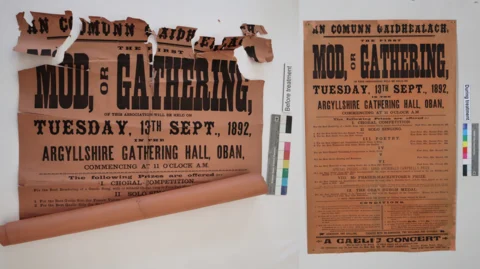
A quiet but powerful cultural revival is sweeping across the Scottish Highlands and Islands. This September, the public will get a rare look at two historic posters advertising some of the very first Royal National Mòds. Found in Oban—the coastal town where the premier Gaelic cultural festival was born back in 1892—the posters had suffered severe decay over the decades. Following a painstaking restoration process, they have been fully stabilized and renewed.
For local historians, these posters are invaluable. They represent the foundational years of a movement that rescued Gaelic song, poetry, and literature from the brink of decline. Bringing them back into the public eye is more than just a nostalgic exercise. It reminds communities of how far the language has come, and the constant effort required to keep it alive for future generations.
A Landmark Educational First for Lochaline
A few miles away, across the water in Morvern, a different kind of Gaelic victory is being celebrated. For the first time in its history, the village of Lochaline has secured a full-time, permanent Gaelic teacher.
This is a massive milestone. For years, remote schools across Argyll have faced chronic recruitment challenges. Often, children in these areas had to rely on traveling tutors, temporary staff, or online resources. This new, permanent post provides much-needed stability. It gives local families confidence that their children can receive a consistent, high-quality bilingual education without needing to relocate to larger towns. For a small community like Lochaline, keeping young families in the area is vital for long-term survival.
Community Successes in Dingwall and Fort William
In Easter Ross, community spirit took center stage as Dingwall celebrated its 800th anniversary. The festival, titled “Inbhir Pheofharain 800,” marked eight centuries since the town received its royal charter. Organizers deemed the event a resounding success. Locals and visitors filled the historic streets, proving that the appetite for community-led cultural celebrations remains incredibly strong in the north.
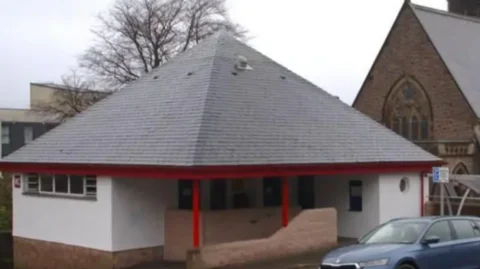
Further west, in Fort William, a different kind of relief was felt. Public toilets that had been closed for months due to extensive vandalism have finally reopened. While public restrooms rarely make headlines, their closure caused significant disruption. Locals and the thousands of tourists who visit the outdoor capital of the UK were left stranded. The reopening is a small but highly practical victory for the town’s tourism infrastructure.
Infrastructure Struggles and Modernization Hurdles
However, progress in the Highlands is rarely smooth. Infrastructure remains a persistent headache. A major £10 million bridge project has hit significant setbacks, causing massive delays and frustrating commuters who rely on local transport networks.
Similarly, the legendary Bealach na Bà—the dramatic, winding mountain pass to Applecross—is marking its 200th anniversary. While celebrated as a masterpiece of historic engineering, the single-track road is under unprecedented strain. The explosion of tourism has left locals struggling to manage the traffic on a road never built for modern vehicles.
In Glasgow, the pressure is of a different kind. Parents and educators are expressing grave concerns over the future of Glasgow Gaelic School (Àrd-sgoil Ghàidhlig Ghlaschu). As demand for Gaelic-medium education surges in the city, the school’s resources, space, and funding are being pushed to their absolute limits.
Preservation Under the Clock
Time is also running out for several community heritage projects. On the island of Tiree, a local trust has been given a tight six-month deadline to raise the necessary funds to purchase a historic local church. If they fail, a vital piece of the island’s architectural and cultural history could be lost to private development.
Meanwhile, along the coast, there are warning signs that historic ferry crossings may not survive indefinitely. The issue stems from archaic crown landlord rights and the fees charged for using essential landing slipways. For community-run ferry operations, these costs are becoming financially unsustainable.
This week also brought moments of reflection and tragedy. In Eurabol, a somber mood fell over the community after the body of a woman was discovered, sparking a local investigation. On a different note, the region marked ten years since the dramatic grounding of the Transocean Winner oil rig off the coast of Lewis—a stark reminder of the fragile balance between industrial shipping and coastal preservation.
Looking Beyond the Highlands
For some, the challenges of modern rural life have prompted a more drastic move. A number of Highland families have chosen to pack up and seek a fresh start in Spain. Spurred on by the high cost of living and the rural housing crisis, these families are searching for new opportunities and a warmer climate. Yet, even as they depart, many carry a deep connection to their native language and culture.
Whether through the preservation of historic posters in Oban, the arrival of a new teacher in Lochaline, or the fight to save a church in Tiree, the Highlands and Islands remain a region defined by resilience. The challenges are real, but so is the determination of the people who call this unique corner of the world home.